The best camera for kids to give in 2026
Screen-free Camp Snap, myFirst's tough little camera, an instax for instant prints and Kodak's tiny keychain Charmera: which kids' camera to give at each age, and what each one costs to use.
Culturera may earn a commission if you buy through the links on this page. As an Amazon Associate I earn from qualifying purchases. The selection is ours alone.
At a glance
- Best overallCamp Snap 2Amazon
- Best with a screenmyFirst Camera 3Amazon
- Best for printsFujifilm instax mini 13Amazon
- Best stocking stufferKodak Charmera keychain cameraAmazon
The camera to give a school-age child this year is the Camp Snap 2: a $69.99 digital camera with no screen, so they look through a viewfinder, press the button and find out what they got later, like a film camera without the cost of film. For a younger child who wants to see the picture right away, the myFirst Camera 3 has a screen, a selfie lens and a shockproof case; for a child who wants something to hold in their hand, Fujifilm's instax mini 13 prints every photo. We have not tested these cameras; this guide compares what the makers publish, and independent reviews where we cite them.
Prices are the makers' list prices on November 23, 2026. In Spain, the price site idealo called kids' cameras the surprise of this year's Reyes searches. On Amazon US, several of these are sold by the brand's own store or by other sellers rather than Amazon itself; we say so for each one, and where only other sellers list a camera, the link opens a search.
What should you check before buying a kids' camera?
Screen or no screen. A screen lets a child review and delete photos at once, which younger children love. A screen-free camera keeps attention on the scene and away from games and filters, and older children often find it more grown-up.
Batteries. Rechargeable cameras charge over USB-C like a tablet; cameras that take AA batteries, like many VTech models, run down quickly with heavy use but are easy to swap on a trip.
How photos come off. Most kids' cameras save to a memory card and need a computer or a card reader to get the photos out; none of the cameras here need an app or an account, which keeps children's photos off the internet unless an adult moves them.
Running costs. Digital cameras cost nothing per photo. Instant cameras and printing cameras do: about $1.30 a print for instax mini film, and less for the sticky paper of a printing camera.
Which one is for you?
Best overall
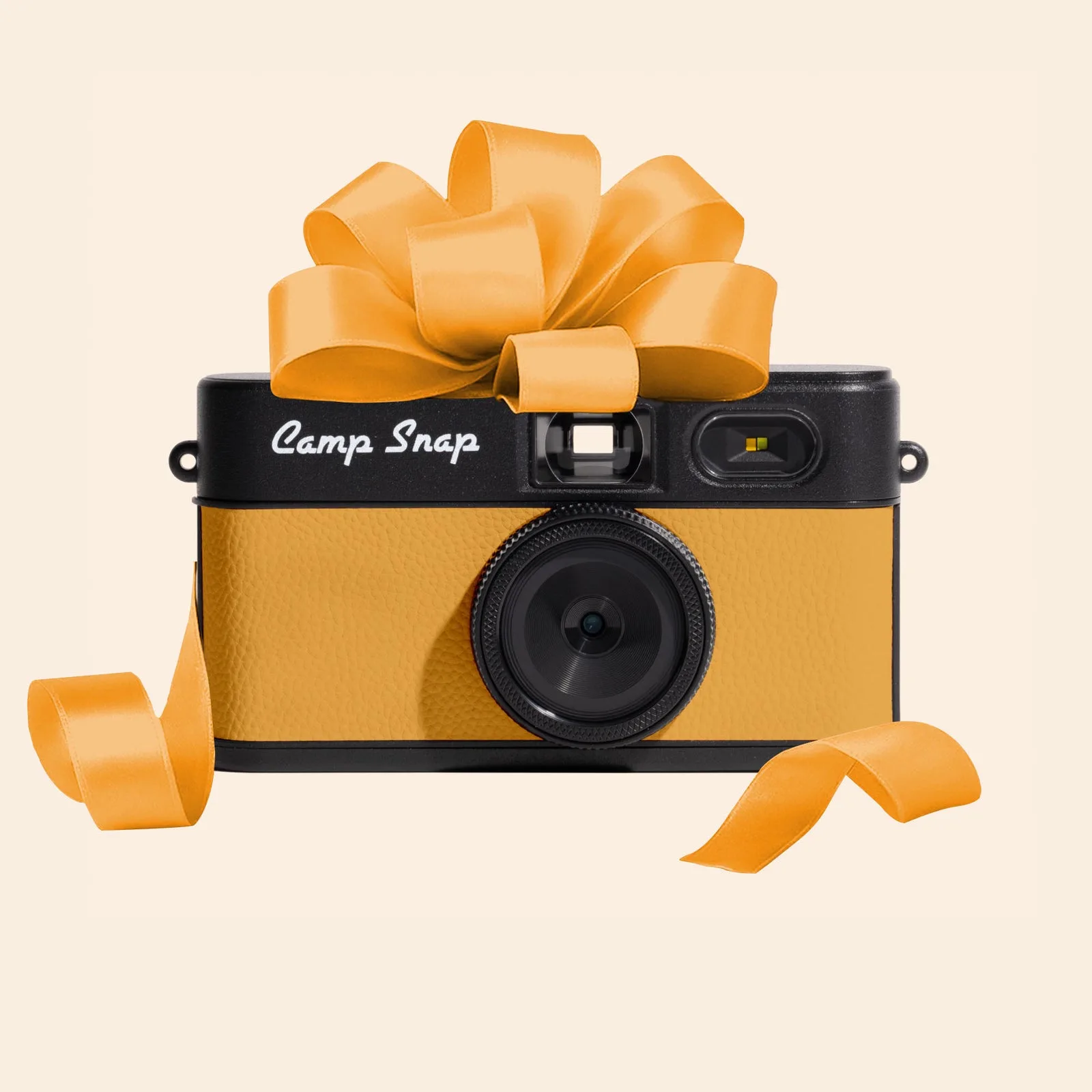
1. Camp Snap 2
Best for: Children aged about 6 and up, and anyone who wants a camera without a screen
A simple, tough digital camera with no screen, 500 shots per charge and nothing to distract.
See it at AmazonCheck the current price at the store.
The Camp Snap 2 ($69.99 list) looks like a disposable film camera: a viewfinder, a shutter button and a counter, no screen. It charges over USB-C and takes about 500 shots per charge, comes with a 4 GB card that holds about 2,000 photos, and has six built-in filters, including black and white, selected with a button. Photos copy to a computer like a flash drive, with no app. Camp Snap says it was designed with younger photographers in mind, with kid-friendly settings it calls CampLock. Digital Camera World named it the best camera for kids in its 2026 guide.
Who it's for: a child old enough not to need to see every picture right away, or a teenager who likes the look of film. Keep in mind: you can't delete or review photos on the camera; and on Amazon US the listings we found were sold by other sellers, so check the seller, or buy from Camp Snap's own store.
Best with a screen
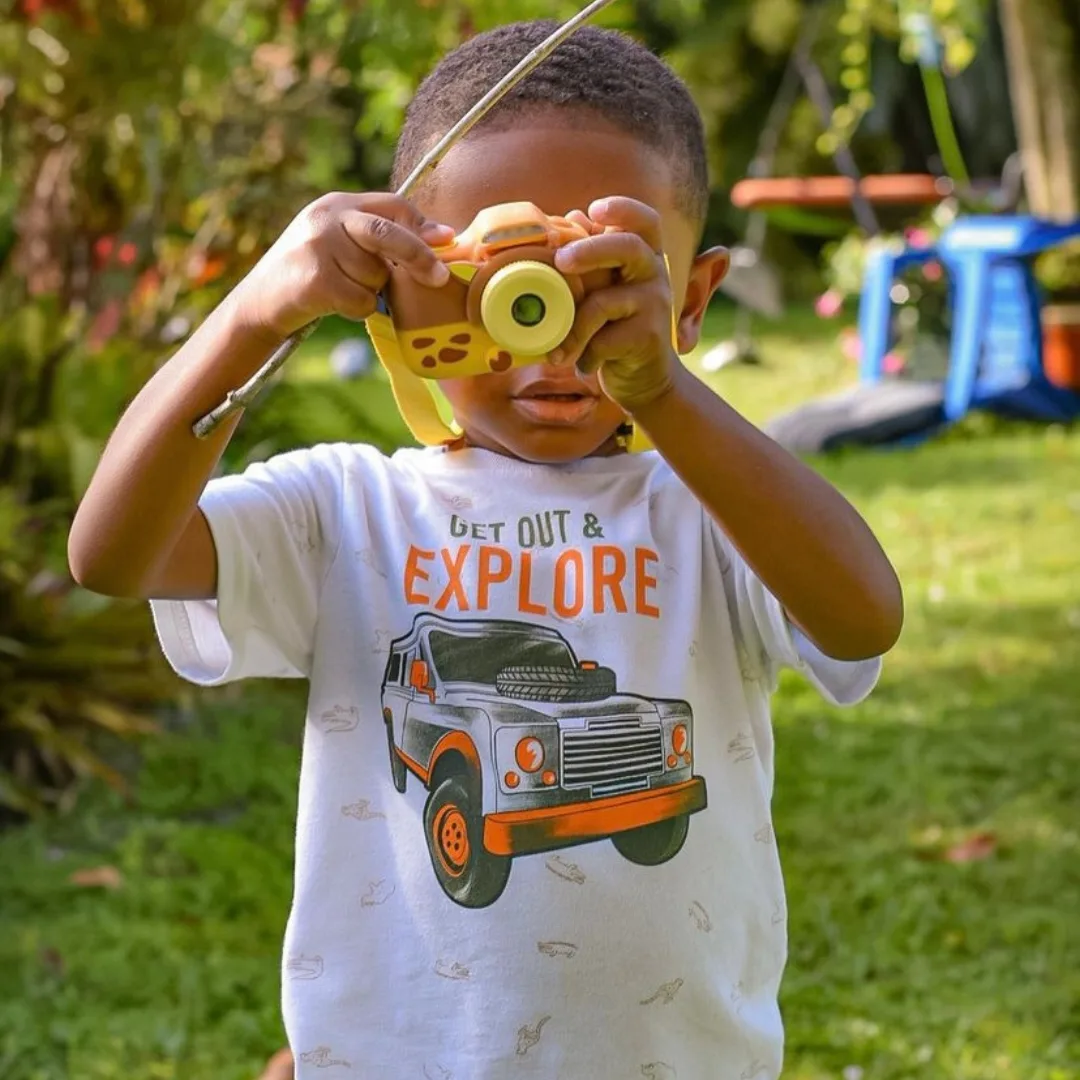
2. myFirst Camera 3
Best for: Children aged 5 to 12 who want to see their photos straight away
A light camera with a screen, selfie and macro lenses and a shockproof case, without games.
See it at AmazonCheck the current price at the store.
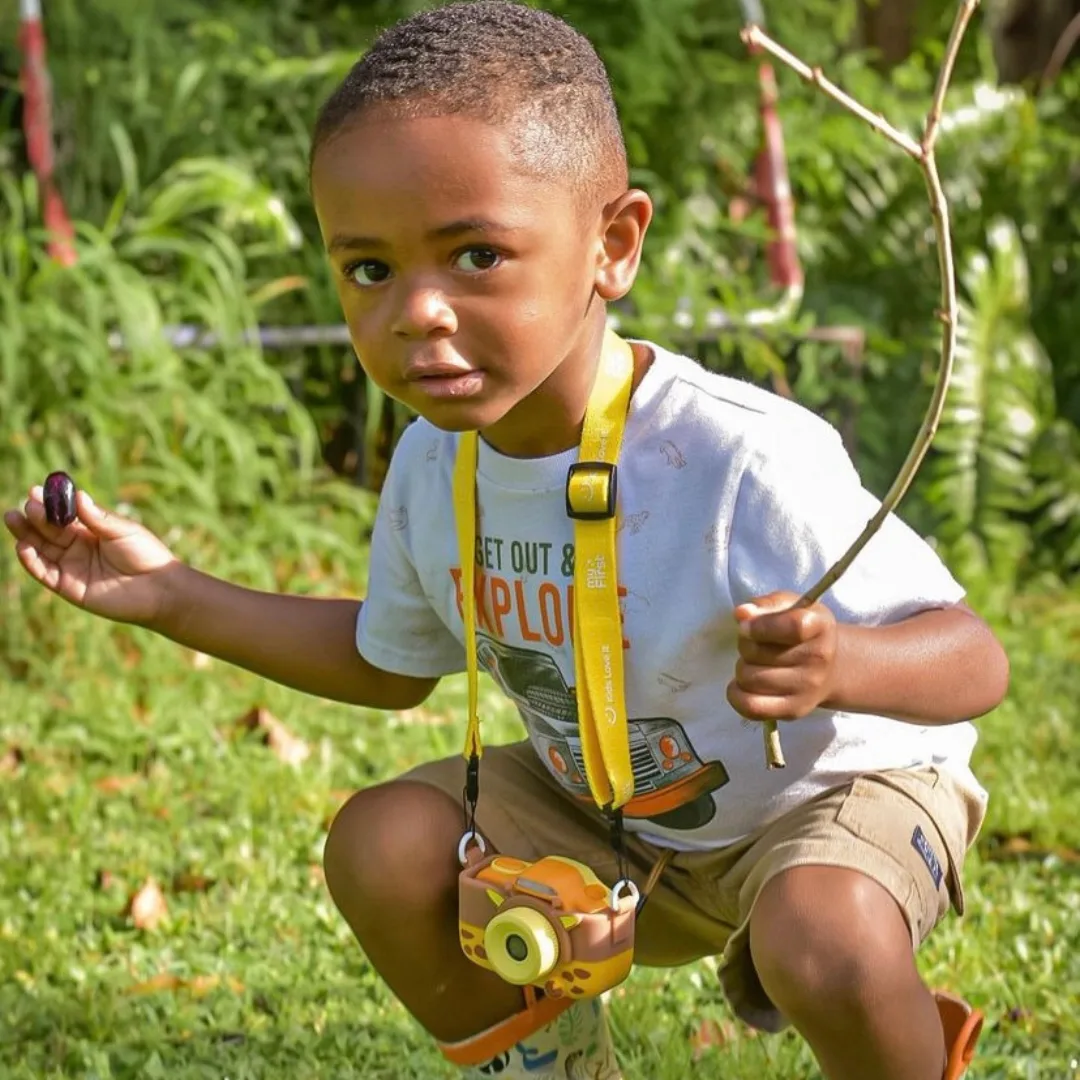
The myFirst Camera 3 ($79.90 list) takes 16-megapixel photos and Full HD video, has a 2-inch color screen, a selfie lens and a macro lens for close-ups of bugs and flowers, and a 1,000 mAh rechargeable battery. It weighs about 80 grams, comes in a shockproof silicone case with a lanyard and a memory card, and myFirst rates it for ages 5 to 12. It has no games, which many parents see as an advantage.
Who it's for: a young child who wants a real camera rather than a toy. Keep in mind: myFirst's own store showed it as sold out when we checked; the Amazon listing is sold by myFirst, so check availability and color before ordering.
Best for prints
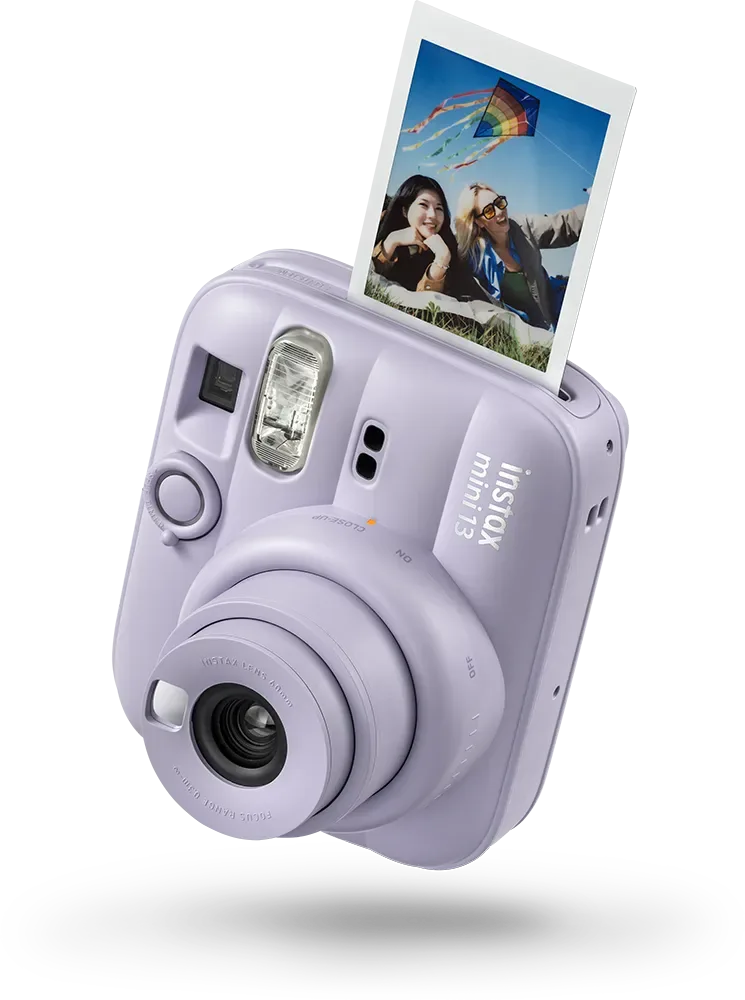
3. Fujifilm instax mini 13
Best for: A child of 8 or older who wants photos to keep, stick and share
An easy instant camera that prints credit-card-size photos in seconds.
See it at AmazonCheck the current price at the store.
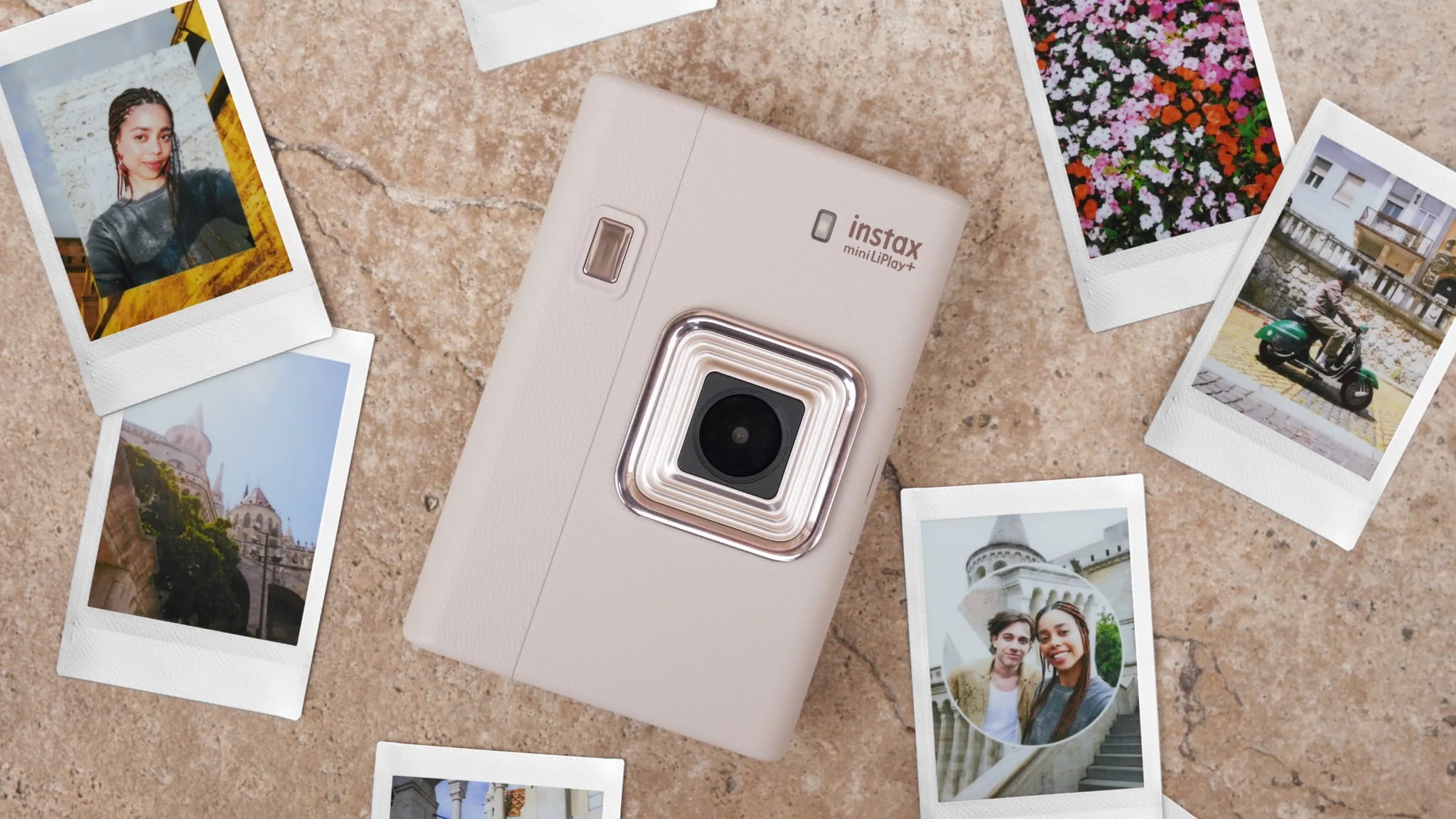
The instax mini 13 ($89.95 list) prints each photo on instax mini film, credit-card-size prints that develop in a couple of minutes. It runs on two AA batteries for about 100 shots, focuses as close as 30 cm for selfies and close-ups, and comes in several colors. A 20-shot twin pack of film costs $25.99, about $1.30 a photo. It is sold by Amazon.com. Our guide to instant cameras compares it with the other instax and Polaroid models.
Who it's for: a child who loves stickers, scrapbooks or giving photos to friends. Keep in mind: the film is the real cost of this gift; add one or two packs.
Best stocking stuffer
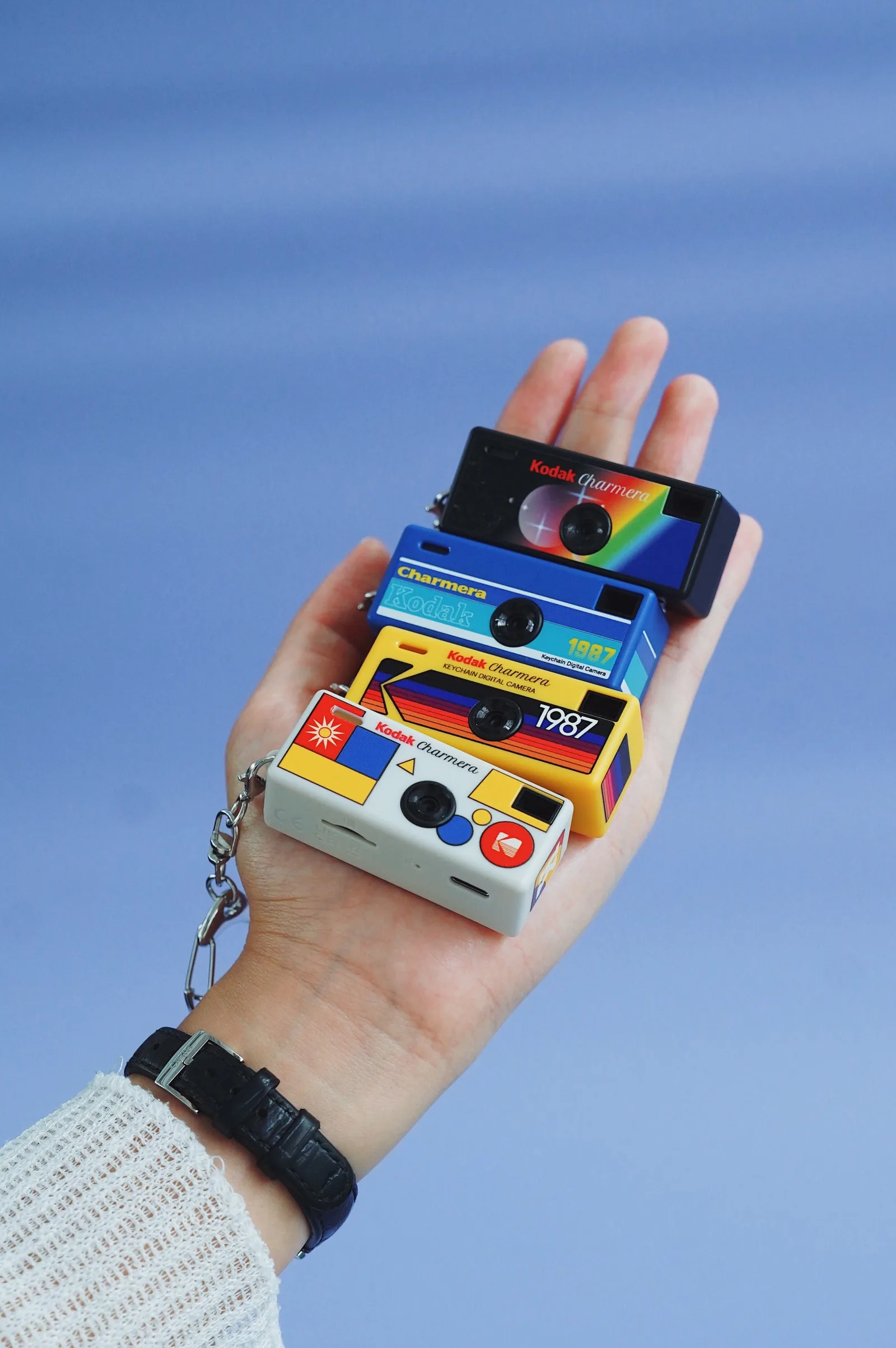
4. Kodak Charmera keychain camera
Best for: A teenager who likes retro, collectible gadgets
A real digital camera the size of a keychain, in a surprise design.
See it at AmazonCheck the current price at the store.
The Kodak Charmera ($34.99), made under license by RETO, is a working digital camera that hangs from a keyring: 1.6-megapixel photos, short videos, a date stamp, Kodak frames and filters, a rechargeable battery and USB-C, in a 30-gram body. It is sold in blind boxes, so the design is a surprise, one of seven, including a rare transparent edition. The Amazon listing is sold by RETO's own store.
Who it's for: a teenager, as a fun extra rather than a main camera; the maker lists it for ages 15 and up. Keep in mind: the microSD card is not included, the photos are deliberately lo-fi, and you can't choose the color.
What about VTech and printing cameras?
For preschoolers, the VTech KidiZoom Duo FX, sold by Amazon.com for about $50, is the classic toy camera: two grips like binoculars, an 8-megapixel camera and a selfie camera, a 2.4-inch screen, more than 80 effects and five games, for ages 3 to 9. It runs on four AA batteries. The games are the reason children love it and the reason some parents don't.
For prints without film, the Kodak Printomatic ($69.99 list, sold by Amazon.com) prints 2-by-3-inch photos on sticky-backed ZINK paper as soon as you press the button, with no screen and no ink. The prints are smaller and softer than instax prints but cheaper. VTech's KidiZoom PrintCam does something similar on receipt-style black and white paper; on Amazon US it is currently sold only by other sellers.
Which camera at which age?
Ages 3 to 5: the VTech KidiZoom Duo FX, built to be dropped and easy to hold with two hands.
Ages 5 to 8: the myFirst Camera 3, with a screen but no games, or a printing camera for instant results.
Ages 8 to 12: the Camp Snap 2 for digital photos, or the instax mini 13 for prints.
Teenagers: the Camp Snap 2, the instax, or a Kodak Charmera as a small extra. A teenager who already shoots a lot on a phone usually enjoys a camera that does something a phone doesn't, like printing or hiding the photos until later.
Why give a camera when they have a phone or tablet?
A camera does one thing, so a child uses it to look rather than to scroll. There are no notifications, no social apps and nothing to upload. That is the main reason screen-free cameras have become popular with parents; Camp Snap, as its name suggests, started with summer camps where phones aren't allowed.
How do you get photos off a kids' camera?
Most of these save to a microSD or SD card. Connect the camera to a computer with its USB-C cable, or put the card in a reader, and copy the photos like any files. On an iPhone or iPad with a Lightning port, you need a card reader adapter. Set aside a few minutes after a trip or a birthday to do it together; deciding which photos to print is half the fun.
How tough does a kids' camera need to be?
Expect drops. The VTech and myFirst cameras are built for small hands, with rubbery cases and rounded edges; the myFirst comes in a shockproof silicone sleeve. The Camp Snap is hard plastic with no moving parts inside, which helps. The instax and Printomatic are ordinary consumer cameras, so a wrist strap is worth adding for a younger child. None of these is waterproof, so keep them away from the pool and the bath, and teach the habit of putting the strap on before taking the camera out.
Which one at each price?
Under $40: the Kodak Charmera, $34.99.
Around $50 to $70: the VTech KidiZoom Duo FX, the Kodak Printomatic or the Camp Snap 2.
Around $80 to $90: the myFirst Camera 3 or the instax mini 13, plus film.
Before you order
Check what's in the box: some cameras include a memory card and some don't, and instant cameras need film or paper from day one. Wrap a pack of film or a spare card with the camera so it works when it's opened. Amazon US usually extends its return window for gifts bought during the holidays; check the exact dates on the listing before you buy.
How to get it right
For most children, the screen-free Camp Snap 2; for a younger child who wants to see the picture, the myFirst Camera 3; for prints, the instax mini 13; for a preschooler, the VTech KidiZoom Duo FX; and for a teenager's stocking, the Kodak Charmera.