The best gifts for skiers in 2026
Gear a skier will use every day on the mountain: Smith's Squad goggles, a Giro helmet with MIPS, a boot dryer that ends wet-boot mornings, plus warm socks and rechargeable hand warmers.
Culturera may earn a commission if you buy through the links on this page. As an Amazon Associate I earn from qualifying purchases. The selection is ours alone.
At a glance
- Best overallSmith SquadAmazon
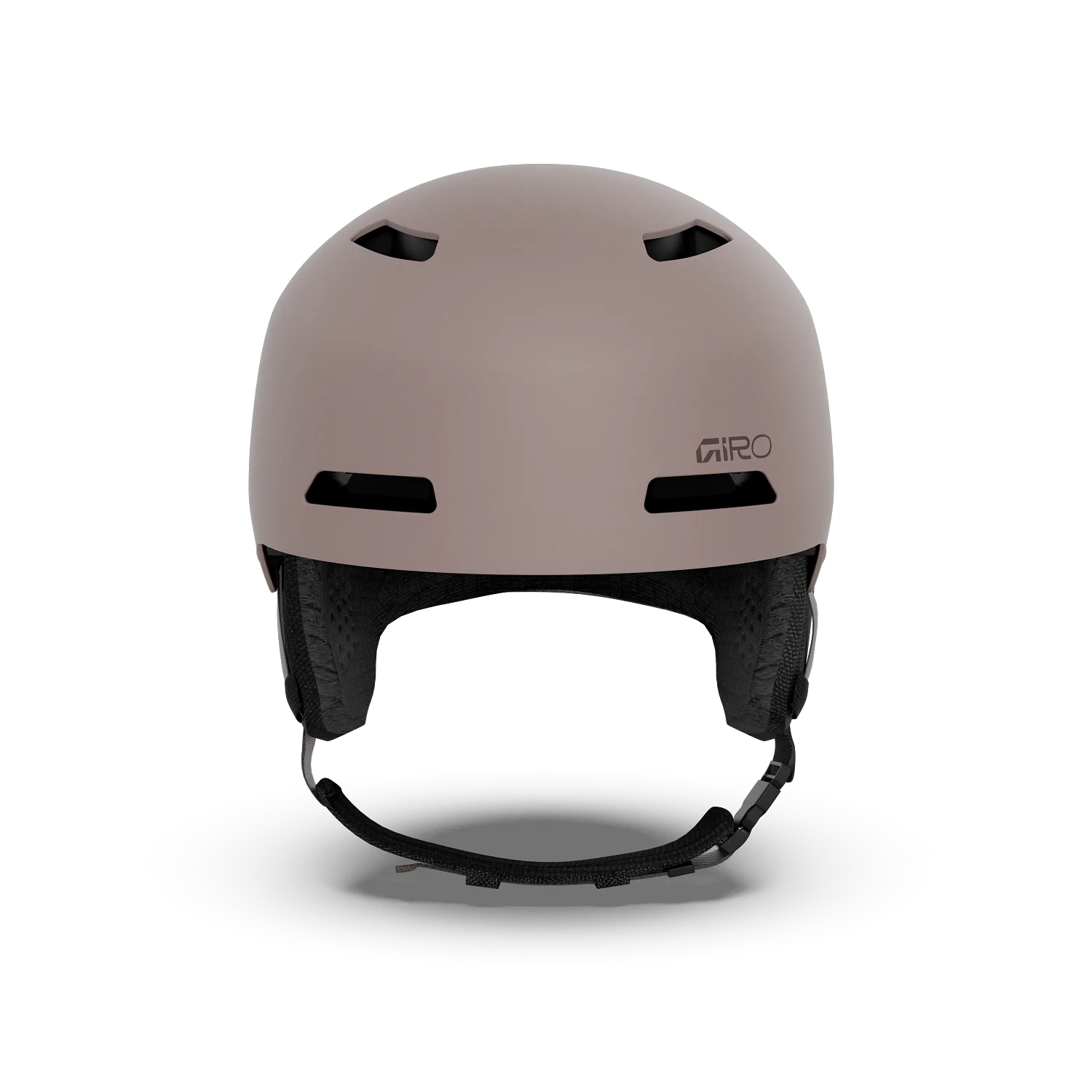
- Best helmetGiro Ledge MIPSAmazon
- Best for the cabinPEET Original DryerAmazon
The best gift for a skier is something they will use every day of the season, and for most people that means a pair of good goggles: Smith's Squad comes with two lenses, one for sun and one for flat light, for $165. If they ski without a helmet or theirs is more than five years old, give a helmet with MIPS instead. And for anyone who drives to the mountain, a boot dryer is the gift they did not know they needed. We have not tested these products; this guide compares what the makers publish.
Prices are the makers' list prices on November 22, 2026. Ski gear is discounted heavily around Black Friday, and popular colors sell out before Christmas.
What should you check before buying ski gear as a gift?
Fit. Helmets and goggles must fit the person's head and face, and each other. Ask for their hat size or helmet size, or buy from a store with easy returns.
What they already have. A skier with a new helmet does not need another. Small, consumable or easily replaced items, like socks, lenses and hand warmers, are the safest surprise.
Safety first. Helmets should be replaced after a hard impact and roughly every five years. MIPS, a low-friction layer inside the helmet, is designed to reduce rotational forces in angled impacts.
Where and how often they ski. Someone who skis five days a year in good weather needs different things from someone with a season pass. For the occasional skier, comfort items like socks and hand warmers get used every time. For the frequent skier, a second lens, a boot dryer or a new helmet solves a problem they already have.
Which one is for you?
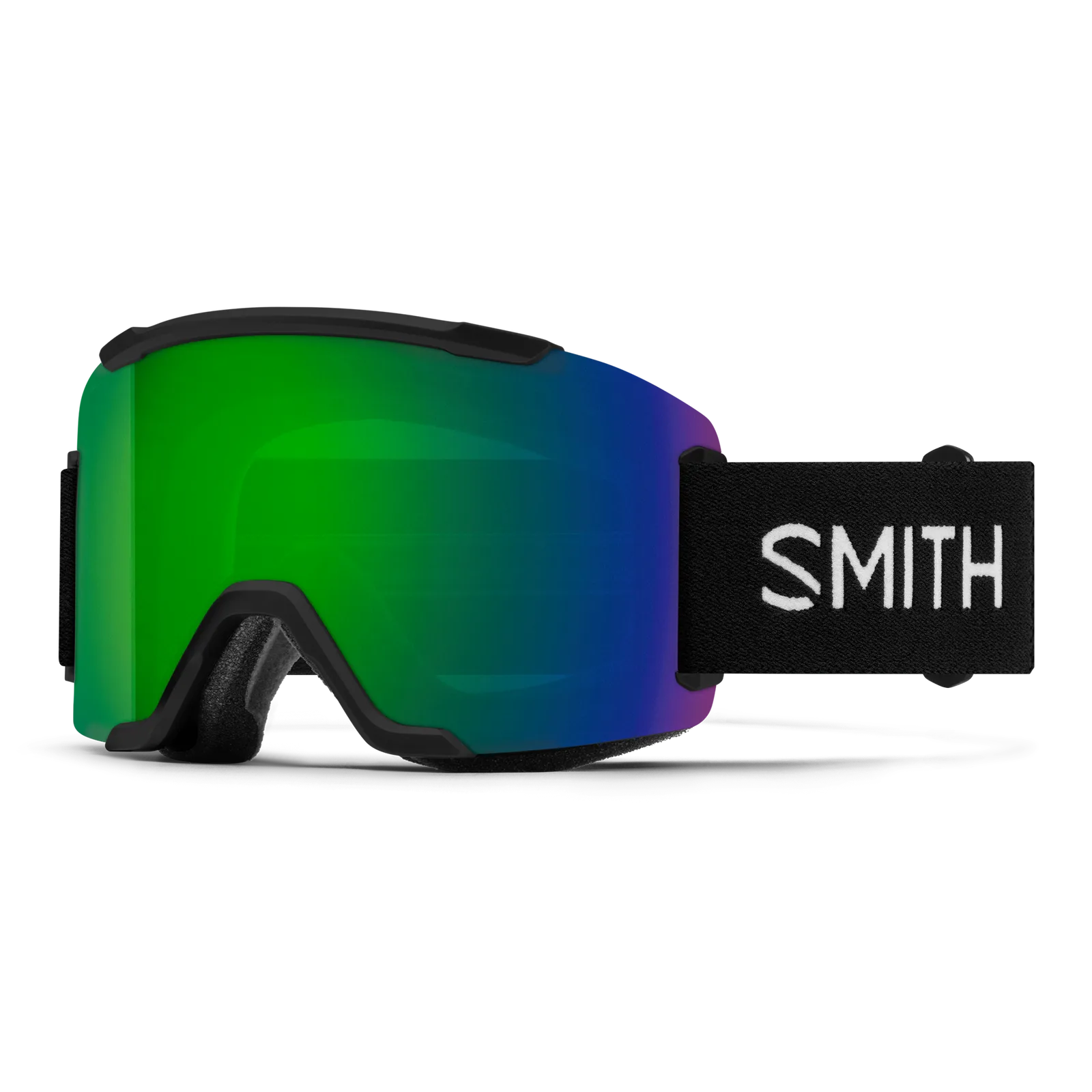
Best overall
1. Smith Squad
Best for: Any skier, from beginner to expert
Wide-view goggles with two ChromaPop lenses in the box, for sunny days and flat light.
See it at AmazonCheck the current price at the store.
The Smith Squad ($165 list) has a cylindrical lens with a wide field of view, Smith's ChromaPop lens technology for contrast, an anti-fog inner lens and 100% UV protection. Most versions come with two lenses: a bright-light lens installed and a low-light lens for snow and cloudy days, plus a microfiber bag. The frame is a medium fit and the strap is designed to sit under or over a helmet.
Goggle lenses are rated by VLT, visible light transmission: the percentage of light the lens lets through. In the Smith Squad versions sold with a ChromaPop Sun Black lens, that lens has a VLT of 12 percent, category S3, for bright sun, and the second lens in the box is a yellow one for cloudy days and snowfall. The lenses and VLT change with the frame color, so read the listing. The Smith Squad's frame flexes to follow the face, which Smith calls Responsive Fit, and the face foam has two layers.
Who it's for: almost any adult skier. Keep in mind: it is a medium fit, so for very small or large faces check Smith's smaller or larger models. On Amazon US this listing is sold by Smith itself.
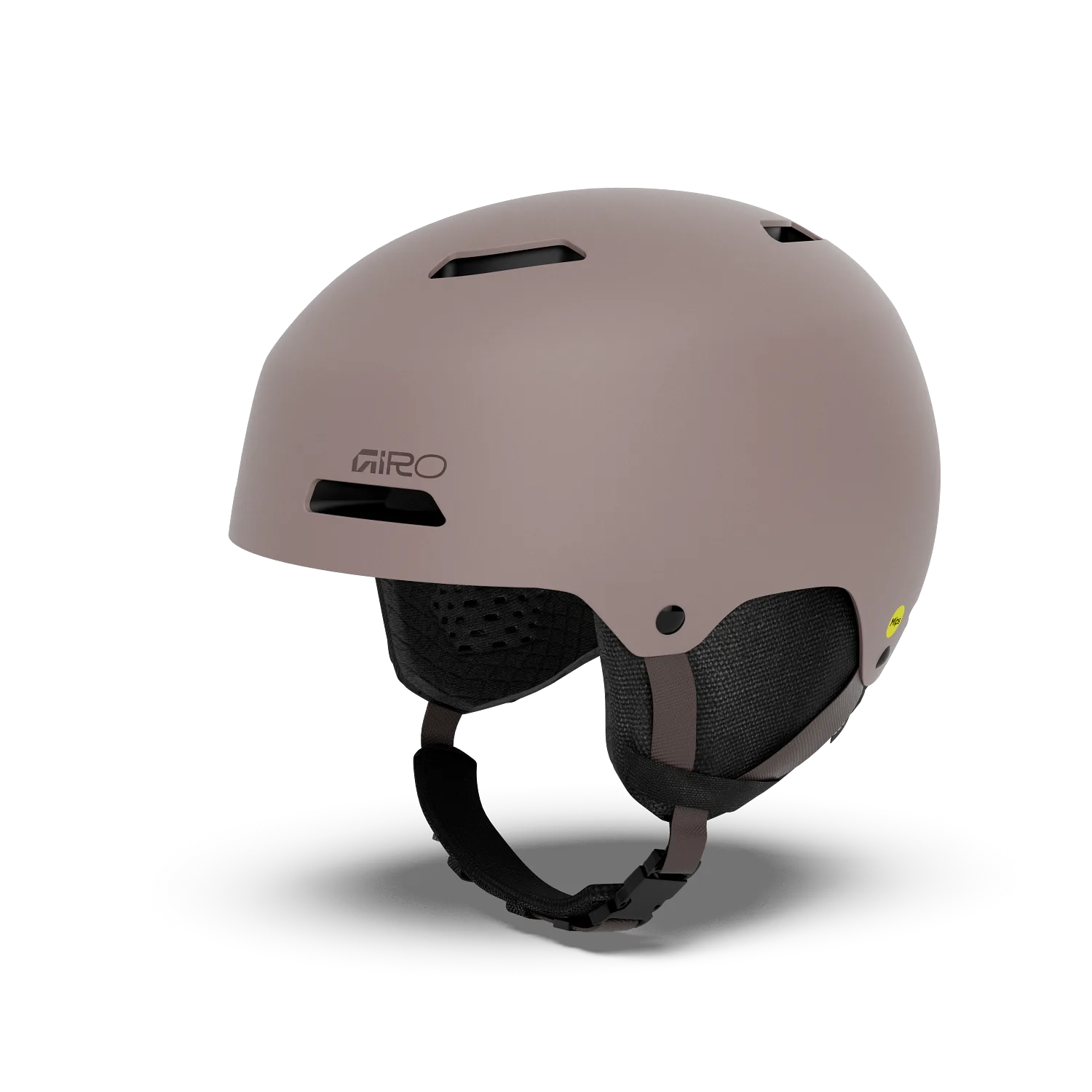
Best helmet
2. Giro Ledge MIPS
Best for: Skiers whose helmet is old or missing
A simple, durable hard-shell helmet with MIPS at a fair price.
See it at AmazonCheck the current price at the store.
The Giro Ledge MIPS ($124.95 list) is a hard-shell helmet with an EPS foam liner and Giro's MIPS system, which lets the head move slightly inside the helmet in angled impacts. The Auto Loc 2 fit system adjusts automatically, it weighs about 500 grams in size medium, and it is designed to work with Giro goggles. Adult sizes run from S (52 cm) to XL (65 cm).
The Giro Ledge MIPS is certified to both snow-helmet standards, CE EN 1077 in Europe and ASTM F2040 in the United States. A vent at the front of the helmet lines up with the top of the goggles to let warm air out and reduce fogging, which Giro calls Stack Vent. The ear pads come off for warm spring days, and a clip at the back holds the goggle strap. Giro advises replacing a ski helmet after three to five years of regular use, and immediately after a hard impact, even if no damage is visible.
Who it's for: a skier or snowboarder who needs a reliable everyday helmet. Keep in mind: check the head circumference against Giro's size chart. On Amazon US the listings we found were from third-party sellers, so the link opens a search; choose one sold by Amazon or Giro.
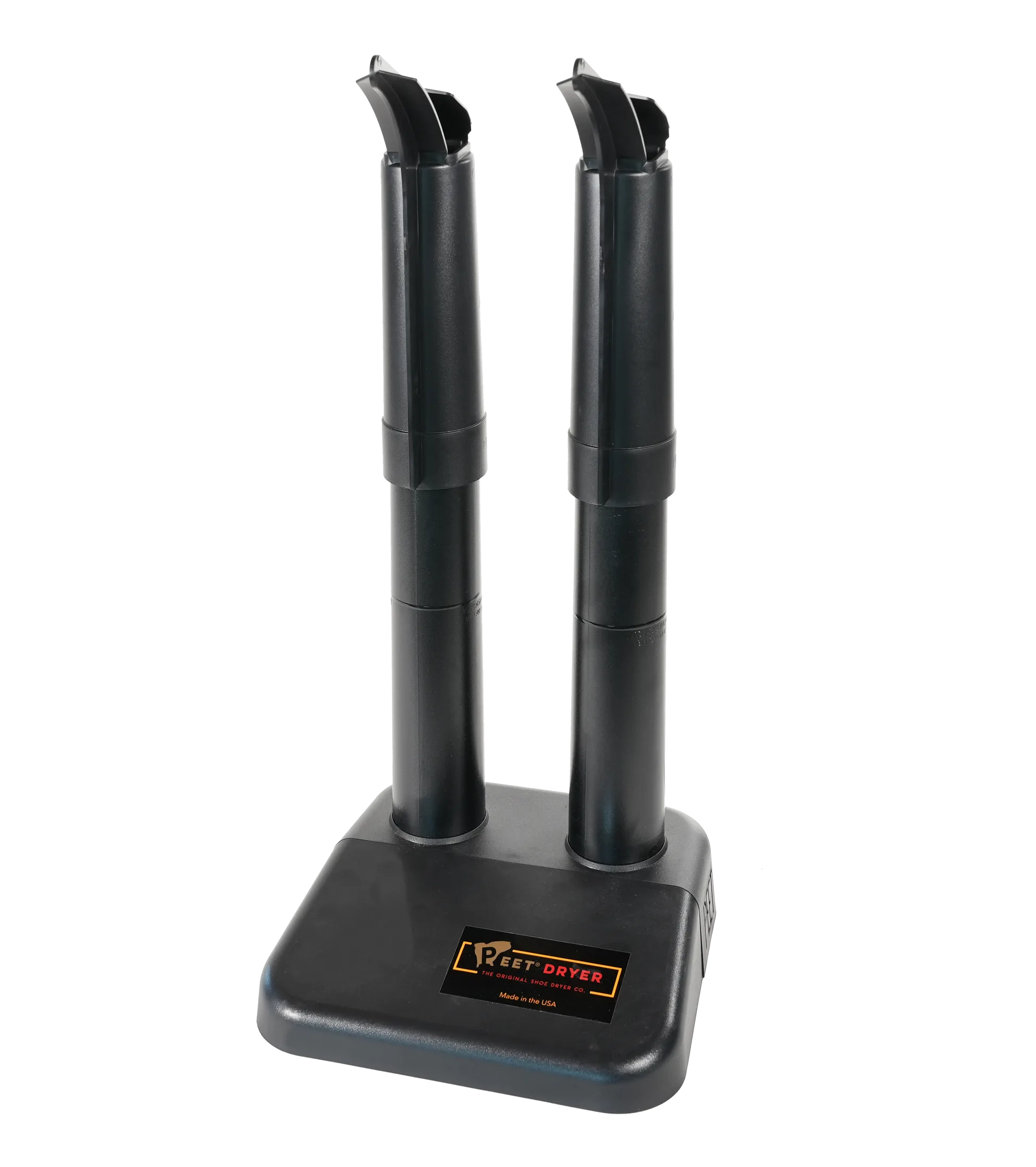
Best for the cabin
3. PEET Original Dryer
Best for: Anyone who skis several days in a row
A silent, fanless dryer that has ski boots dry and warm by the next morning.
See it at AmazonCheck the current price at the store.
The PEET Original ($59.99 list) dries boots, gloves and shoes with gently warmed air that rises through two tubes, without a fan or noise. It uses about 36 watts, can stay plugged in, is made in the USA and carries a 25-year warranty. Leave ski boot liners on it overnight and they are dry and warm in the morning.
Ski boots get wet from the inside: feet sweat during the day, and the foam liner holds that moisture. A liner that is still damp the next morning feels cold within the first lift ride, and over a season it starts to smell. A radiator or a fireplace is not a substitute, because strong direct heat can deform a boot liner that was molded to the foot. The PEET Original uses low heat for that reason, and it takes several hours, so it is an overnight tool.
Who it's for: skiers who do multi-day trips or keep their gear at home between weekends. Keep in mind: it runs on US 120-volt power. On Amazon US the listing we checked was from a third-party seller, so the link opens a search.
What about smaller gifts?
Ski socks. Thin, over-the-calf merino socks keep feet warm without crowding the boot. Smartwool's Ski Full Cushion OTC socks list at $34 and are a classic stocking stuffer; check the size.
Rechargeable hand warmers. Pocket-size USB-C warmers replace disposable packets, last a few hours per side and double as small power banks. Ocoopa's rechargeable models sell for about $20 to $40.
A neck gaiter. A thin merino or fleece tube covers the neck and chin on the lift and pulls up over the nose in wind. It has no size, costs little and is the item skiers most often forget. A goggle cover. A stretch fabric sleeve protects the lens from scratches when the goggles sit on the helmet or in a bag.
What do the lens numbers on ski goggles mean?
The lower the VLT percentage, the darker the lens. Giro's lens guide puts full-sun lenses at 8 to 18 percent and lenses for extreme sun, such as glaciers at altitude, at 3 to 7 percent. Lenses for cloud, snowfall and flat light let much more light through and are usually yellow, rose or light blue. Flat light is the gray, shadowless light of an overcast day, when bumps in the snow are hard to see; a high-contrast, high-VLT lens is the one that helps.
This is why goggles with two lenses are the safest gift: no single lens works well both at noon in March and in a January snowstorm. Category numbers say the same as VLT in broader steps: S1 for low light, S2 for mixed conditions, S3 for sun and S4 for extreme sun.
How do you measure a head for a ski helmet?
Wrap a flexible tape measure horizontally around the widest part of the head, about 1 inch (2.5 cm) above the eyebrows and just above the ears, as the outdoor retailer REI describes, and note the result in centimeters. Compare it with the maker's size chart, because sizes differ between brands. A helmet that fits is snug all around, does not move when the person shakes their head and leaves no gap between its brim and the top of the goggles.
How do you look after ski goggles?
Never wipe the inside of the lens, above all when it is wet: the anti-fog coating is soft and rubs off. If snow gets inside, shake it out and let the goggles dry in the air. Clean the outside only with the microfiber bag they came in, dry them at room temperature after skiing and store them in the bag. On the mountain, do not rest goggles on a sweaty forehead or a wet hat, which is the usual cause of fogging.
What should you not give a skier?
Boots. Ski boots must be fitted on the foot by a boot fitter in a shop; a wrong boot ruins the day. Skis and bindings. They depend on height, weight, level and terrain, and bindings must be adjusted by a technician. Thick socks or two pairs. Boot fitters recommend one thin ski sock per foot; extra layers bunch up, create pressure points and make feet colder by cutting circulation. Cotton base layers. Cotton holds sweat and stays wet; merino wool and synthetics dry quickly.
What does a first-time skier need?
A beginner usually rents skis, boots, poles and often a helmet, so the useful gifts are the things rental shops do not provide: goggles, ski socks, waterproof gloves and a neck gaiter. Goggles matter more than a beginner expects; sunglasses let in wind and snow and fall off in the first tumble. A beginner lesson is the other gift that changes the first day.
Which one at each price?
Under $50: Smartwool merino ski socks, $34, or rechargeable hand warmers, the safe surprise for any skier.
Around $60: the PEET Original boot dryer, $59.99, for anyone who skis several days in a row.
Around $125 to $165: the Giro Ledge MIPS helmet, $124.95, if theirs is old; or the Smith Squad goggles, $165, with two lenses.
Before you order
For helmets and goggles, confirm the size and that the two fit together; a gap between them leaves the forehead cold. Keep the packaging until the person has tried them on.
Amazon US usually extends its return window for gifts bought during the holidays; check the exact dates on the listing before you buy.
How to get it right
If you are not sure what they need, give goggles with two lenses. If their helmet is old, a new MIPS helmet. For the skier who has everything, a boot dryer or merino socks.