A short history of game consoles, generation by generation
From a brown box with two dials to a machine that streams films in 4K. Fifty years of consoles in a five-minute read.
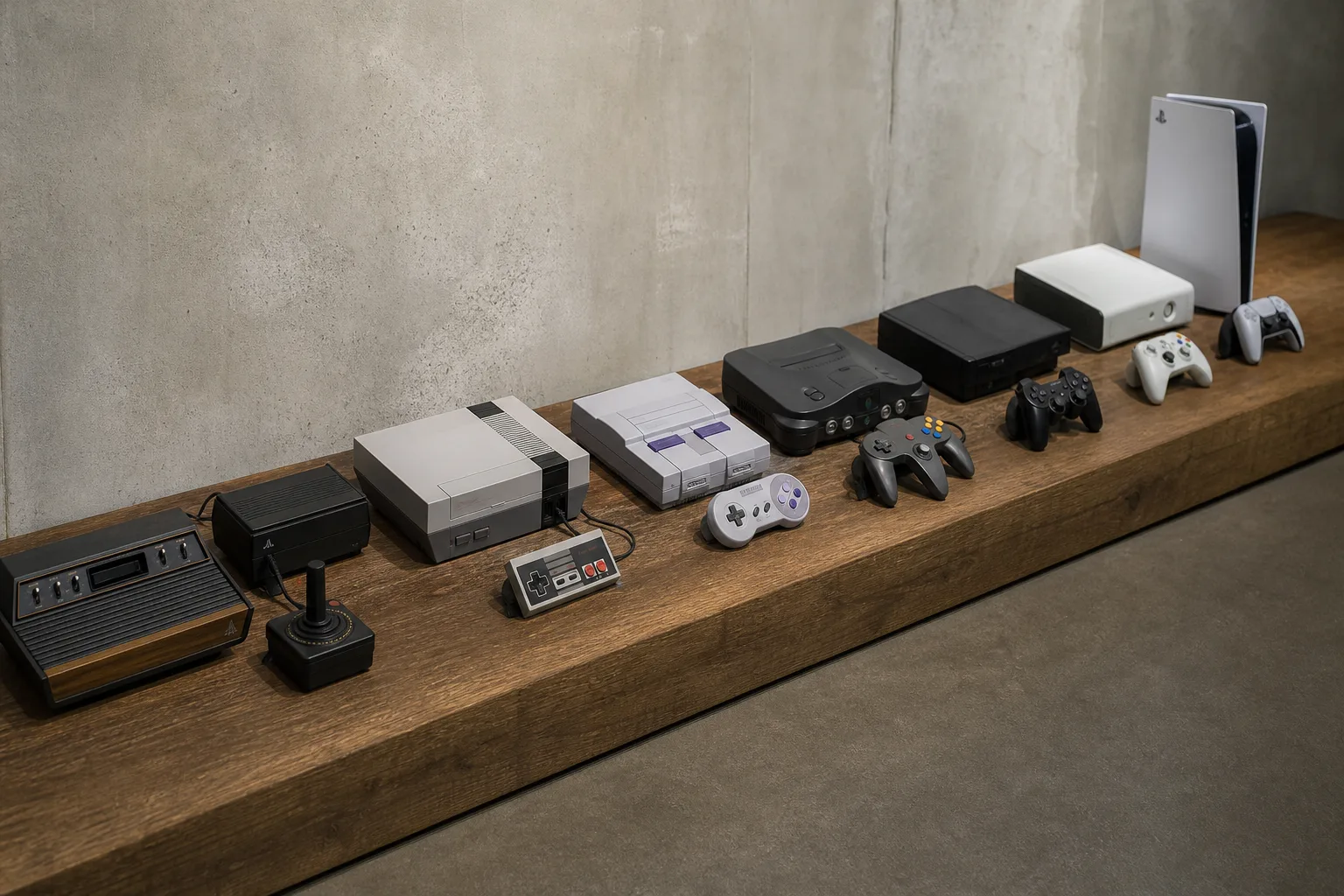
People talk about "console generations" as if everyone knew the list. Almost nobody does. Here is the short version, with the one thing each era changed.
The 1970s: the beginning
The first home console was the Magnavox Odyssey, in 1972. It had no sound and no color, and players stuck plastic sheets on the television to imagine the scenery. Later in the decade the Atari 2600 made interchangeable cartridges popular: one machine, many games.
1983: the crash, and the rescue
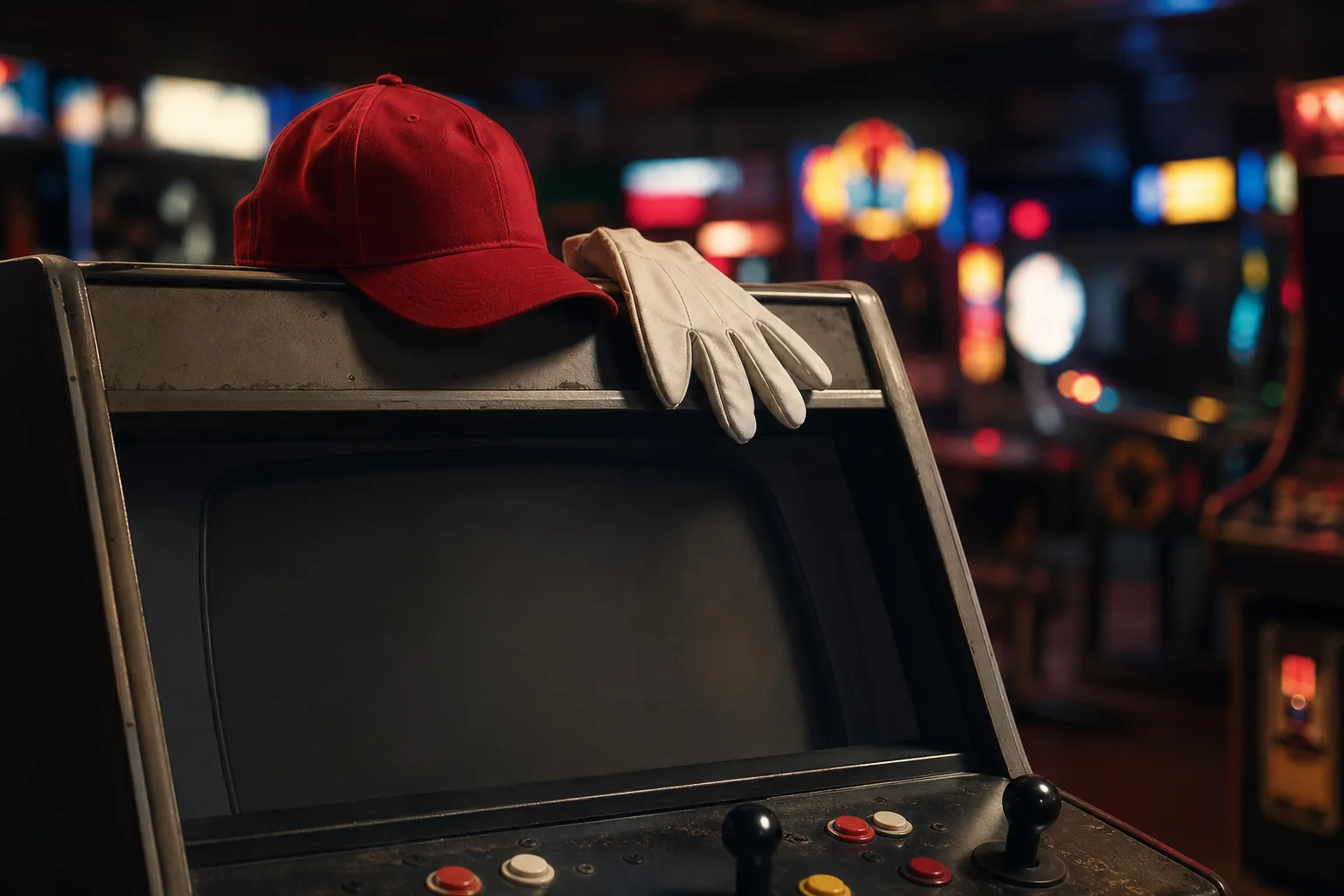
In 1983 the American market collapsed, flooded with bad games. Many shops concluded that video games had been a fad. The rescue came from Japan. Nintendo's Famicom, sold abroad as the NES, brought Super Mario Bros. and a rule that still stands: the console maker approves the games.
The 1990s: the first console war
The Sega Mega Drive and the Super Nintendo fought the first great rivalry, Sonic against Mario, in playgrounds all over the world. In the middle of the decade a newcomer, Sony, launched the PlayStation. It used CDs instead of cartridges and made 3D the norm. Games started to be sold to adults.
Each generation changed one thing: cartridges, 3D, discs, online, motion, portability.
The 2000s: films, the internet and grandparents
The PlayStation 2, released in 2000, also played DVDs, and it became one of the best-selling consoles ever, with more than 150 million units. Microsoft entered with the Xbox and built the modern online service. Then Nintendo surprised everyone with the Wii in 2006: a remote you swung like a racket, and suddenly whole families were bowling in the living room.
The 2010s: one console for home and travel
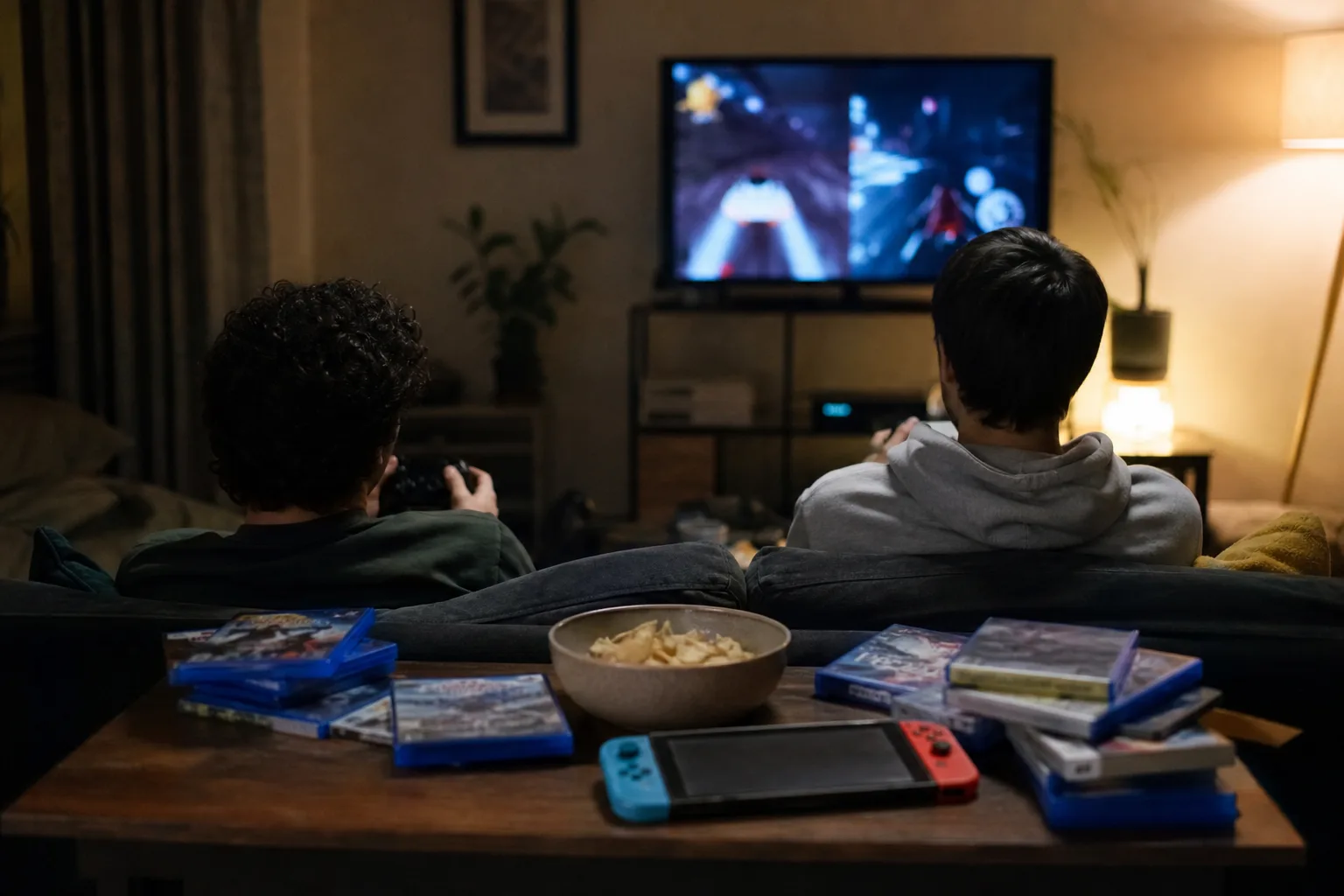
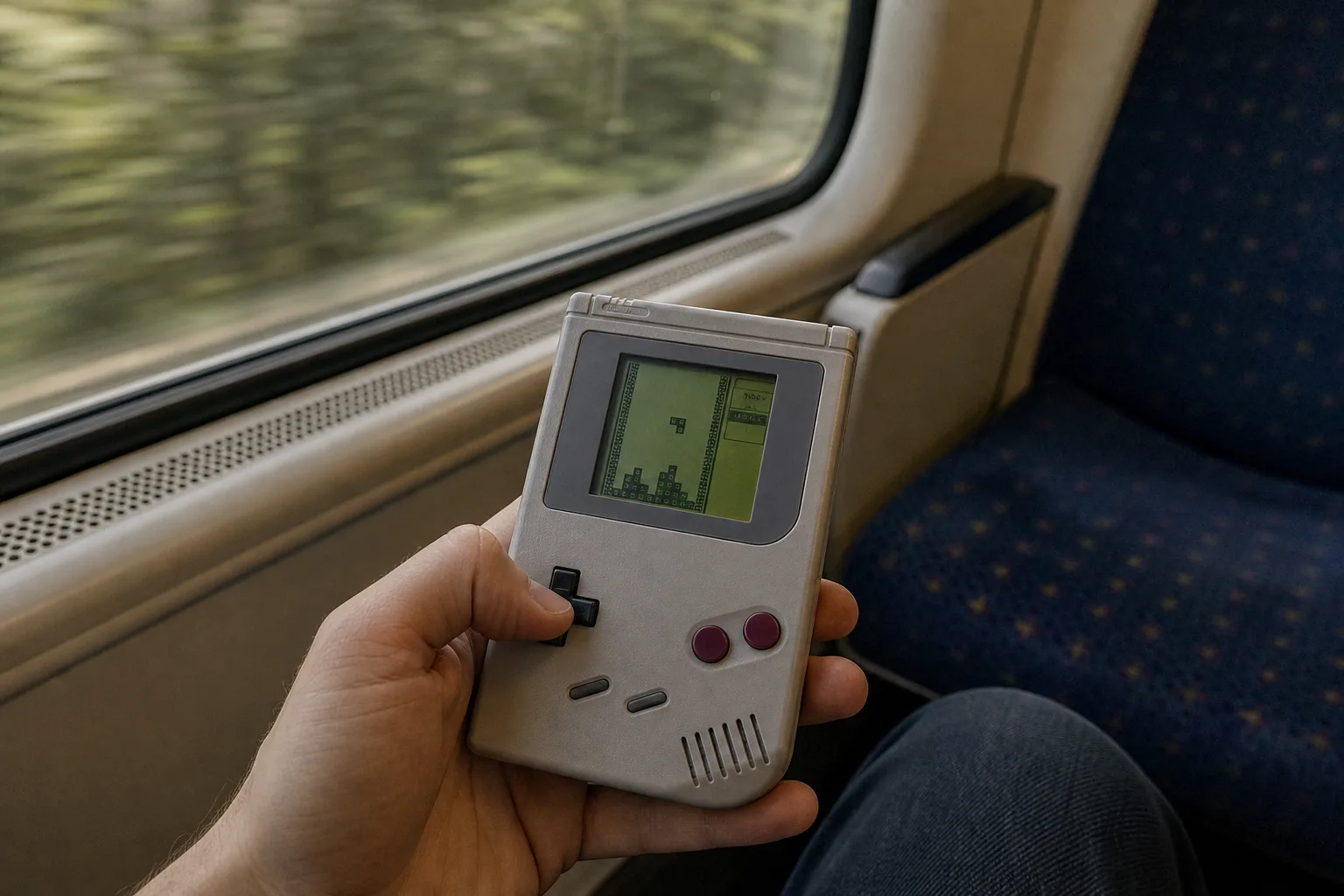
Graphics improved, downloads began to replace discs, and Nintendo found its next big idea. The Switch, in 2017, is a home console that you can lift out of its dock and take on the train. It became one of the most successful machines in history.
Now
The PlayStation 5 and Xbox Series arrived in 2020 with fast storage that almost removes loading screens, and the Switch 2 followed in 2025. Much of the business has moved to subscriptions and digital shops, and many games are released for consoles and computers alike.
Which generation are we in?
By the usual count, the ninth. But the differences between machines are smaller than ever. Today it matters less which box you buy and more which games you want to play.