The best fitness tracker for the new year in 2026
Google's new Fitbit Edge, the screenless Fitbit Air and Garmin Cirqa, Garmin's vivoactive 6 and the Apple Watch SE 3 compared: which tracker suits a January resolution, and which charge a subscription.
Culturera may earn a commission if you buy through the links on this page. As an Amazon Associate I earn from qualifying purchases. The selection is ours alone.
At a glance
- Best overallGoogle Fitbit EdgeAmazon
- Best smartwatchGarmin vivoactive 6Amazon
- Best without a screenGarmin Cirqa Smart BandAmazon
- Best budgetGoogle Fitbit AirAmazon
- Best for iPhoneApple Watch SE 3Amazon
For someone starting a fitness resolution in January, the tracker to give is Google's new Fitbit Edge: a slim band with a bright screen, built-in GPS for runs without a phone, sleep and heart tracking, and up to a week of battery, for $179.99. For someone who wants a real watch with more sports and smartwatch features, Garmin's vivoactive 6 is the best all-rounder at $299.99; for someone who doesn't want another screen at all, the Garmin Cirqa tracks everything without one and charges no subscription. We have not tested these devices; this guide compares what the makers publish, and independent reviews where we cite them.
Prices are the makers' list prices on November 23, 2026; most are discounted for Black Friday. Every link goes to a listing sold by Amazon.com itself. Search interest in Fitbit has grown this autumn, according to a roundup of Google Trends data, and January is when most people start using one.
What should you check before buying a fitness tracker?
Screen or screenless. A screen shows the time, steps and workout stats at a glance. A screenless band, a newer trend, shows nothing: everything appears in the phone app, which some people find calmer and less distracting.
GPS. Built-in GPS records runs and rides without carrying a phone. Connected GPS borrows the phone's, so the phone has to come along.
Subscriptions. Google's trackers include three months of Google Health Premium and work without it afterward, with fewer coaching features. Garmin's basic features are free. Whoop and Oura require a paid membership to be useful, which adds up over the years.
Phone. The Apple Watch only works with an iPhone. Fitbit and Garmin work with both iPhone and Android.
Which one is for you?
- Someone starting to run, walk or train who wants a simple band with a screen
- Someone who wants a watch with many sports, music and payments
- Someone who wants sleep, recovery and training data without a screen or a subscription
- Someone who mainly wants sleep and heart tracking for under $100
- An iPhone owner who wants a full smartwatch that tracks workouts
Best overall
1. Google Fitbit Edge
Best for: Someone starting to run, walk or train who wants a simple band with a screen
Google's newest tracker, with a bright screen, built-in GPS, ECG and a week of battery.
See it at AmazonCheck the current price at the store.
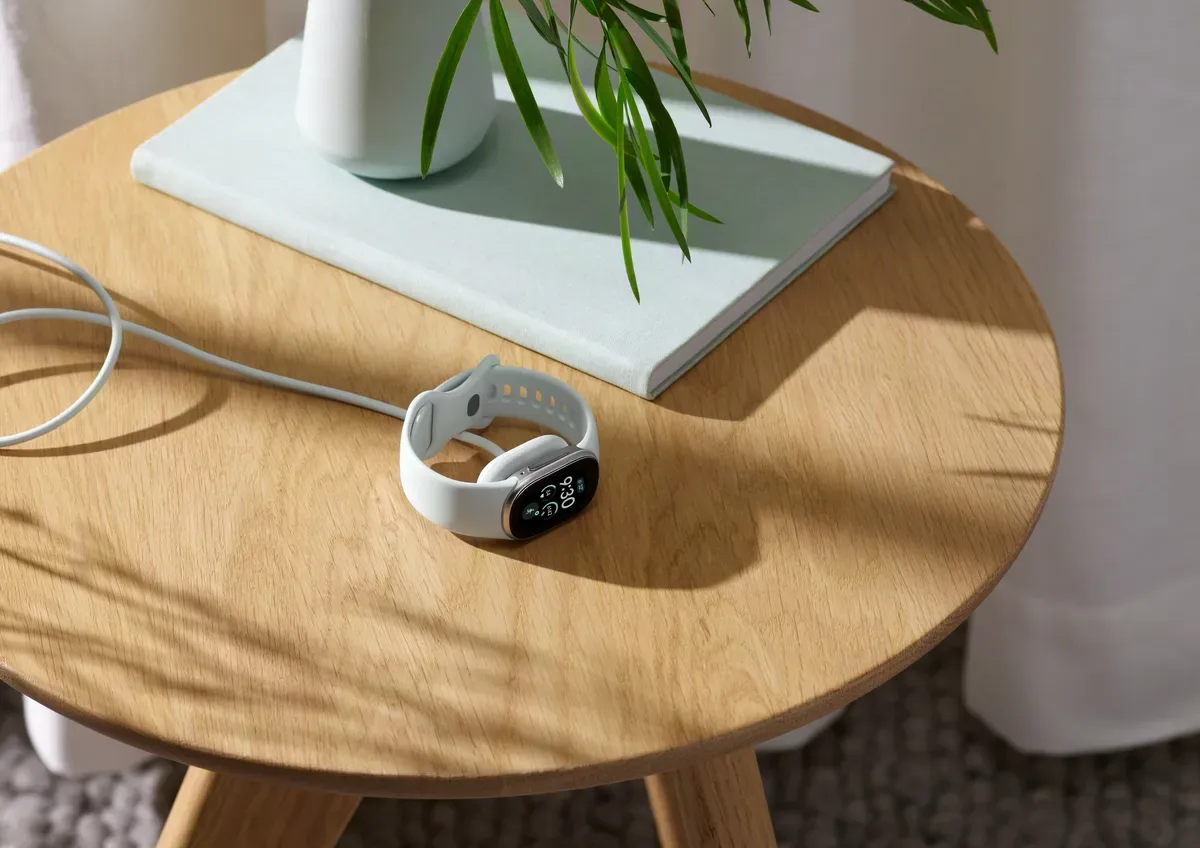
The Fitbit Edge ($179.99 list), on sale since October 27, 2026, has the largest and brightest screen of any Fitbit tracker, with 46 percent more viewing area than earlier models, and built-in GPS that Google says is up to 40 percent more accurate. It offers more than 50 exercise modes, recognizes up to 100 workouts automatically, tracks sleep, heart-rate variability and skin temperature, has an ECG app, and is water resistant to 50 meters. Battery lasts up to seven days, five minutes of charging gives a full day, and the battery is replaceable, a first for Google.
Who it's for: a new runner, a walker, a gym beginner. Keep in mind: the AI coaching features beyond the three included months need Google Health Premium.
Best smartwatch
2. Garmin vivoactive 6
Best for: Someone who wants a watch with many sports, music and payments
A bright AMOLED fitness watch with 80-plus sports apps and 11 days of battery.
See it at AmazonCheck the current price at the store.
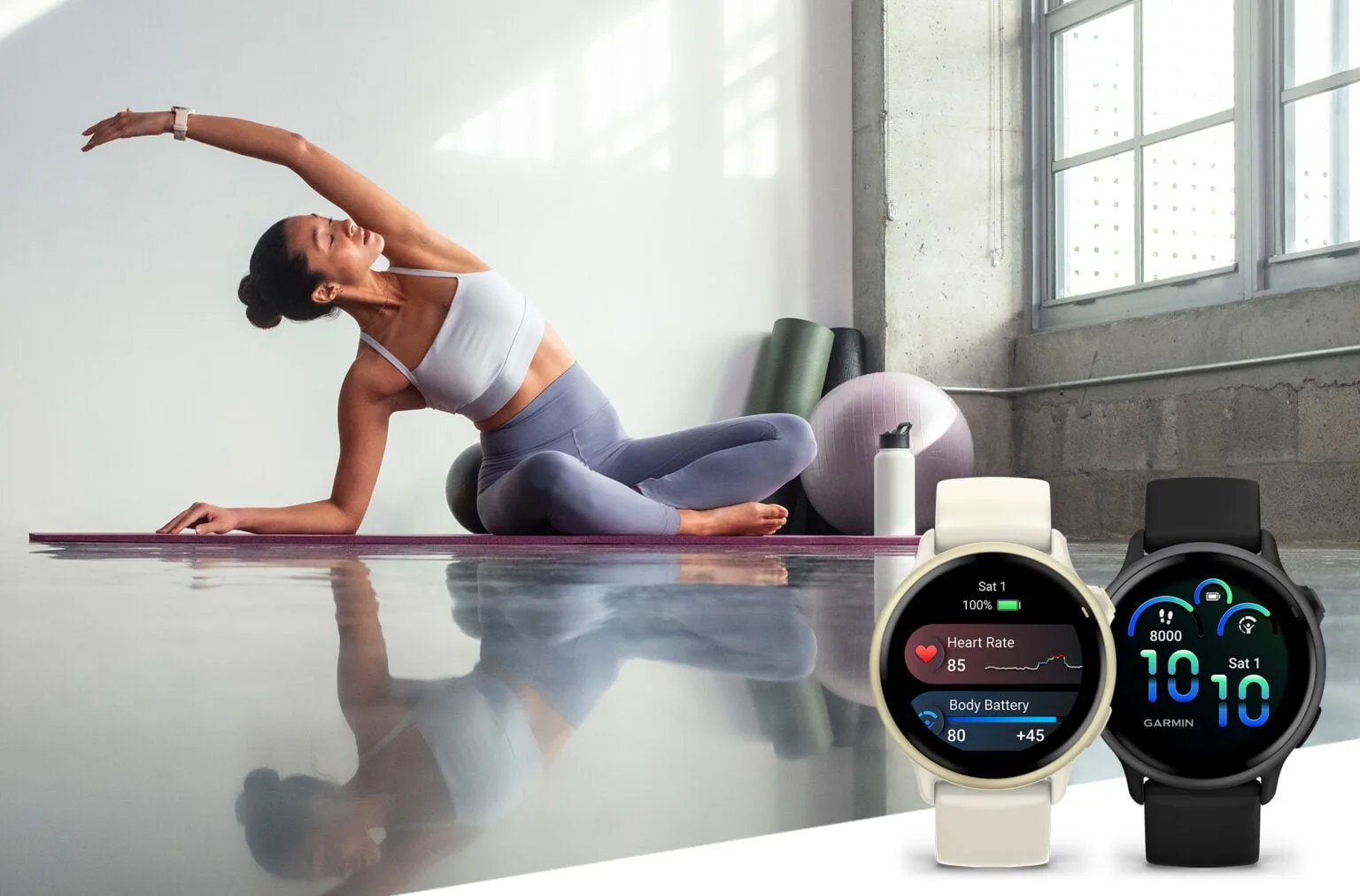
The Garmin vivoactive 6 ($299.99 list) has a bright AMOLED display, more than 80 preloaded sports apps, Garmin Coach running and strength plans, sleep coaching with a smart wake alarm, Body Battery energy monitoring, HRV status, women's health tracking, Garmin Pay and incident detection. Battery lasts up to 11 days. WIRED named it its top fitness tracker for most people in 2026, and no subscription is required for these features.
Who it's for: someone who wants a single watch for everyday life and every sport. Keep in mind: on iPhone you can't reply to messages from the watch, a feature limited to Android.
Best without a screen
3. Garmin Cirqa Smart Band
Best for: Someone who wants sleep, recovery and training data without a screen or a subscription
A screenless Garmin band with 10 days of battery and no monthly fee.
See it at AmazonCheck the current price at the store.
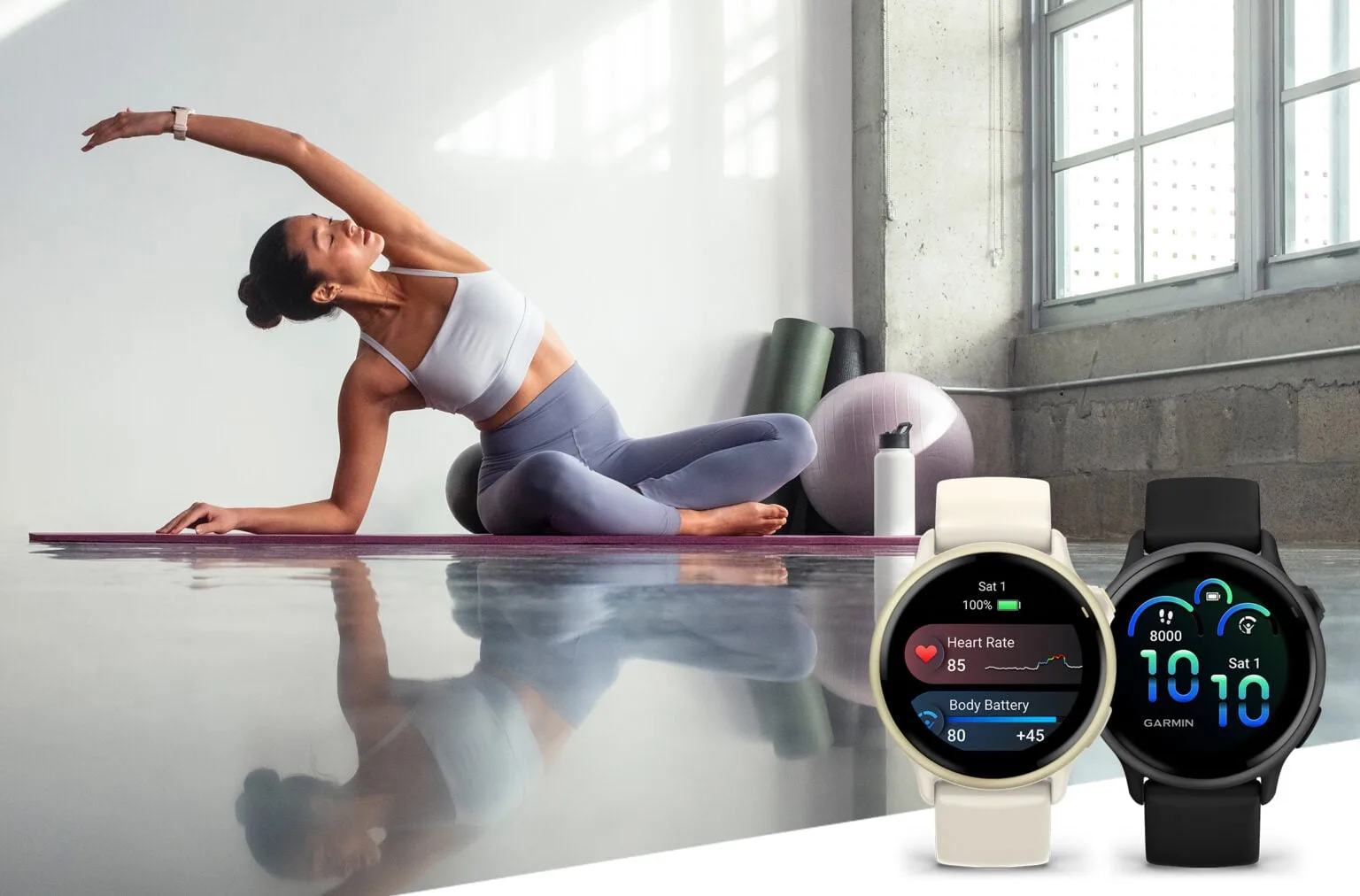
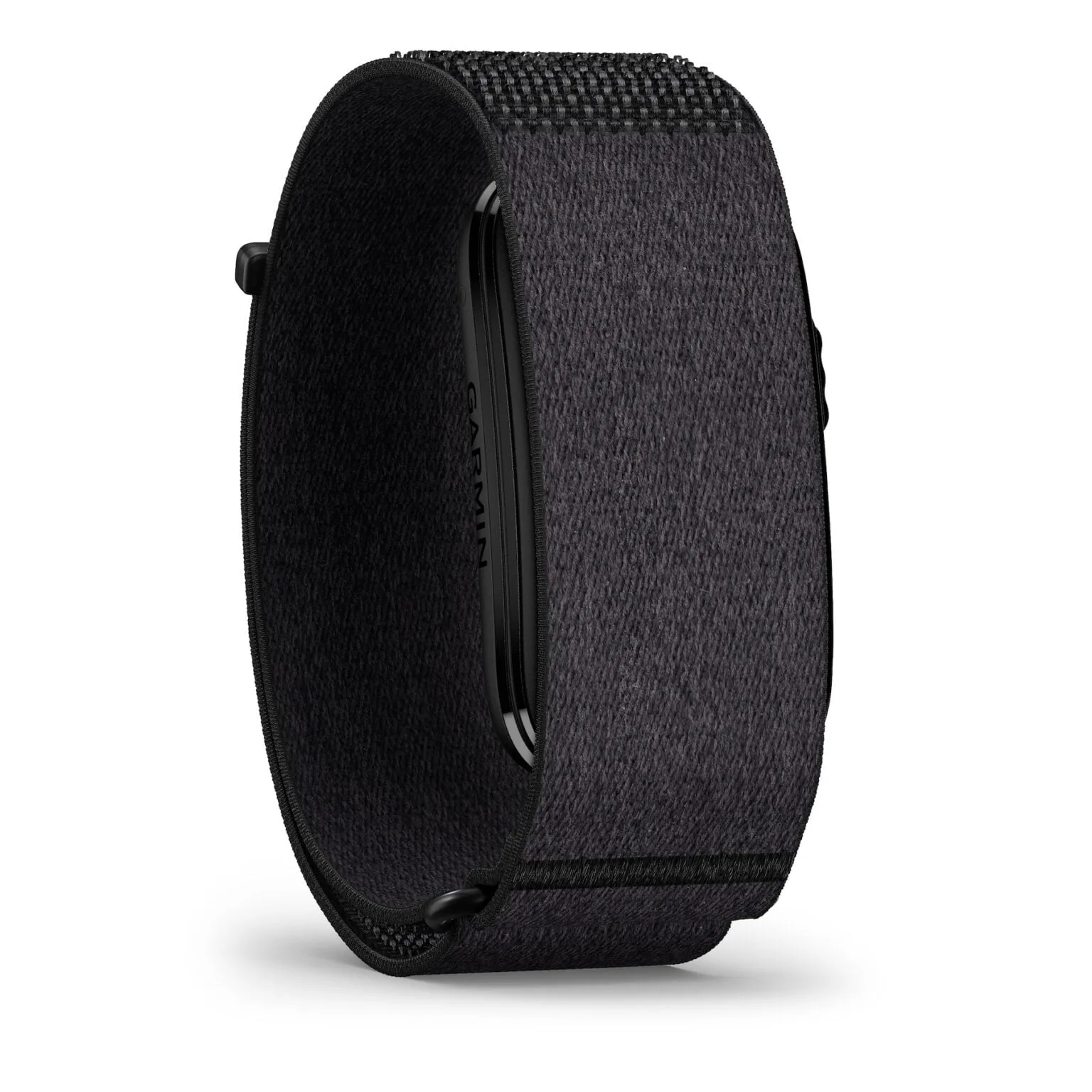
The Garmin Cirqa ($199.99 list), launched in July 2026, has no screen, a single button and a soft fabric band that can also be worn on the upper arm. It tracks heart rate, sleep stages and sleep score, HRV, stress, skin temperature, Body Battery, training readiness, VO2 max and recovery time, detects activities automatically and lasts up to 10 days per charge. Garmin says no subscription is required. TechRadar called it 2026's best screenless band, and Wareable found the battery claim broadly held up.
Who it's for: someone who sleeps badly, trains hard or simply wants fewer screens. Keep in mind: GPS comes from the phone, and there's nothing to look at during a workout. Choose the size, S-M or L-XL, carefully.
Best budget
4. Google Fitbit Air
Best for: Someone who mainly wants sleep and heart tracking for under $100
A tiny, screenless pebble that tracks sleep, heart rhythm and activity for a week.
See it at AmazonCheck the current price at the store.
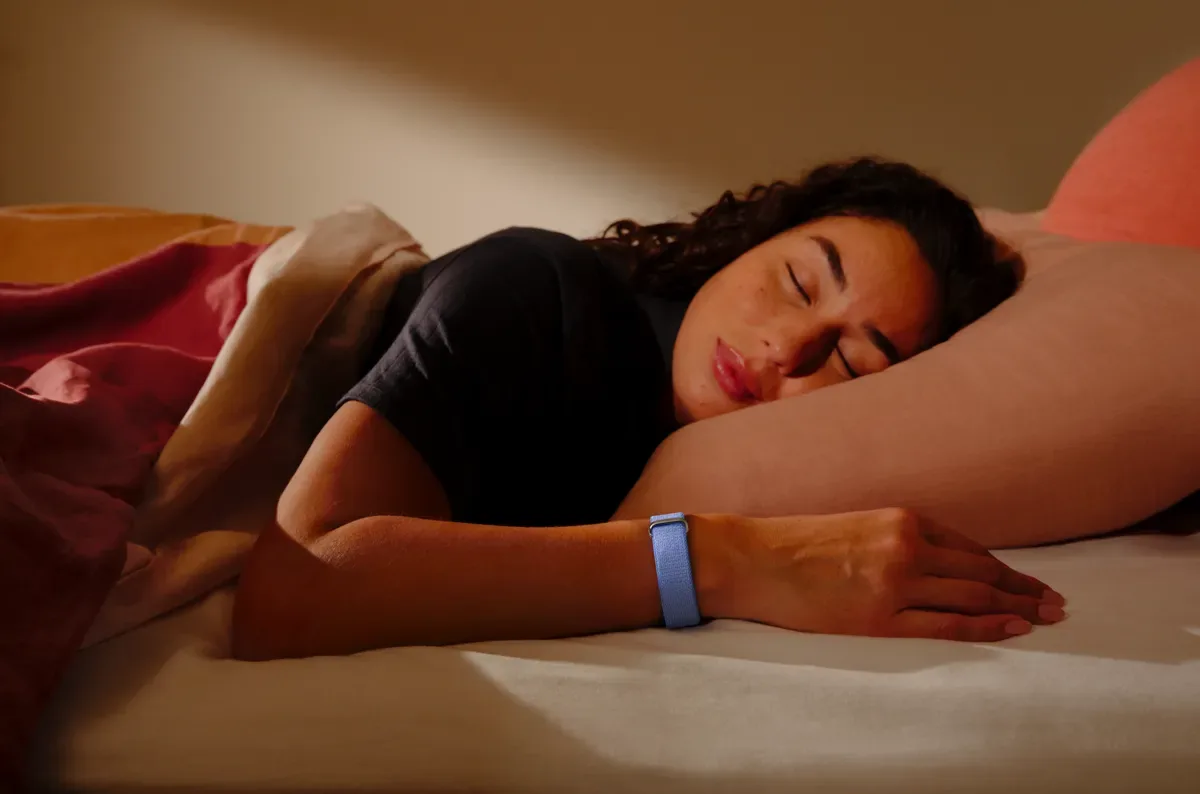
The Fitbit Air ($99.99 list), released in May 2026, is a small screenless pebble on a band that tracks 24-hour heart rate, heart rhythm with atrial fibrillation alerts, blood oxygen, HRV and sleep stages, and recognizes activities automatically. It lasts up to a week, charges a full day in five minutes and works with iPhone and Android. It also includes three months of Google Health Premium.
Who it's for: someone curious about their sleep, or a first tracker for a teenager or a parent. Keep in mind: there's no GPS for mapping runs, and like any screenless band, everything happens in the app.
Best for iPhone
5. Apple Watch SE 3
Best for: An iPhone owner who wants a full smartwatch that tracks workouts
Apple's affordable watch, with an always-on screen, fast charging and full activity tracking.
See it at AmazonCheck the current price at the store.
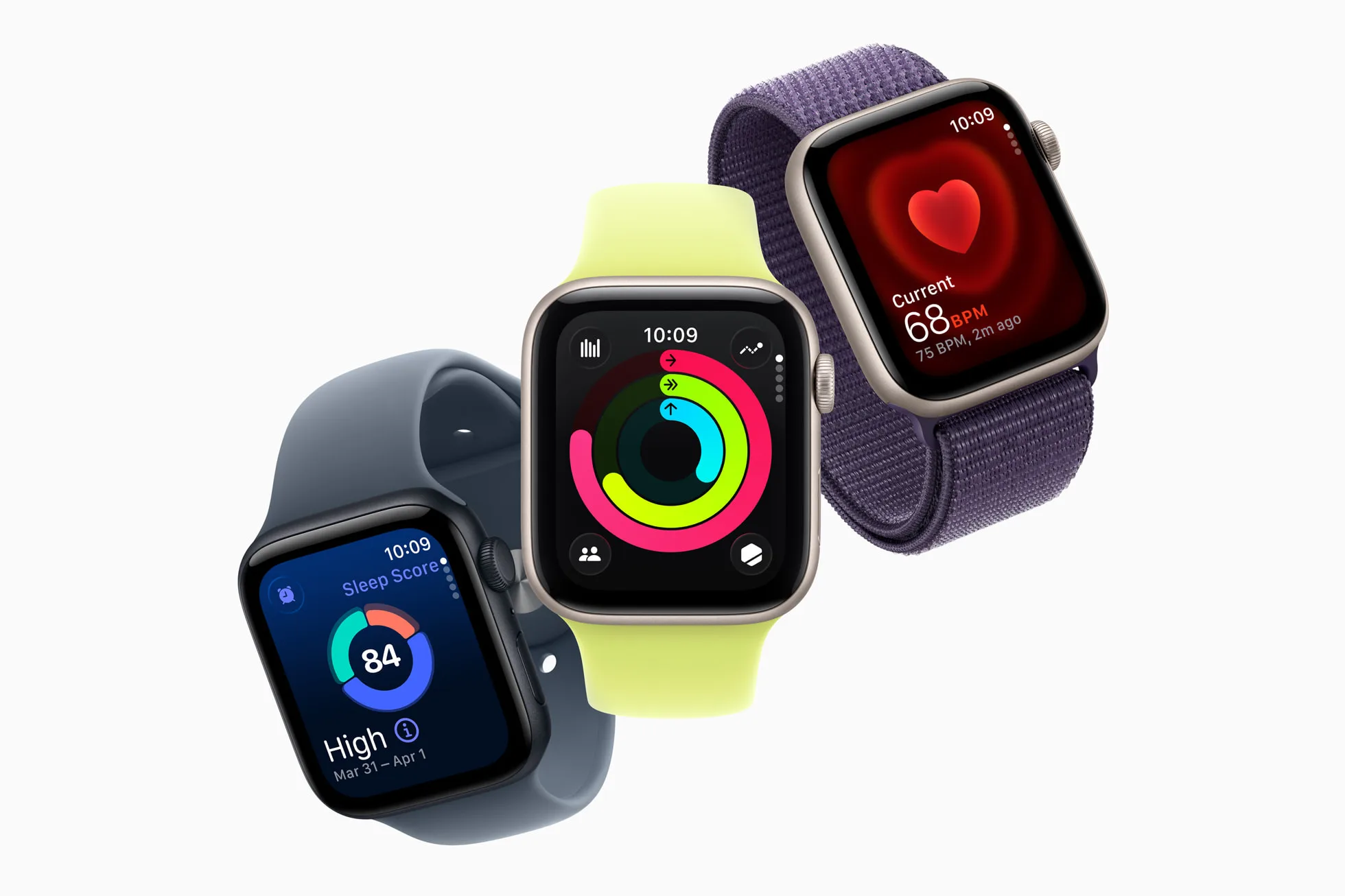
The Apple Watch SE 3 (from $249 list) has Apple's S10 chip, an always-on display, Activity rings, workout tracking, heart-rate alerts and sleep tracking, and does everything a smartwatch does, from messages to Apple Pay. Battery lasts about 18 hours; Apple says it charges up to twice as fast as before, with 15 minutes adding up to eight hours of use.
Who it's for: someone with an iPhone who wants one device for health and notifications. Keep in mind: it needs charging almost every day, and it doesn't work with Android phones.
What about smart rings and other options?
The Oura Ring 5, launched in May 2026, is 40 percent smaller than Ring 4, lasts six to nine days and is waterproof, but needs a $5.99 monthly membership and the right ring size, so it is best given as a sizing kit first. For a basic tracker, Amazon.com also sells the Fitbit Inspire 3, Fitbit's simplest band with a screen. Garmin's Venu 4 ($549.99) is a premium option for someone who wants a larger, more watch-like Garmin.
Do fitness trackers actually help people get fit?
They help most when they make a goal visible: steps, workouts per week, a bedtime. The data on its own doesn't change much. A tracker works best as a gift when it comes with a plan, such as a couch-to-5K program, a walking challenge with a friend, or an earlier bedtime, and when the person chose the goal themselves. For the walking route, see our piece on walking, the exercise that doesn't feel like exercise.
How accurate are they?
Wrist trackers measure heart rate and sleep well enough to show trends over weeks, which is what matters for most people. They are less precise during intense intervals, weightlifting or swimming, and calorie counts are estimates. None of these is a medical device for diagnosis, although features like ECG and atrial fibrillation alerts are cleared for specific uses; anyone with a heart condition should treat them as a prompt to see a doctor, not a substitute.
Should you give a tracker to someone who didn't ask for one?
Be careful. A fitness tracker can read as a comment on someone's body or habits, especially from a partner or a parent. It works best as a gift for someone who has already said they want to sleep better, start running or move more, or as a shared plan: two trackers and a weekly walk together. If in doubt, a gift card or a conversation first is kinder than a surprise. Teenagers and older parents are often the happiest recipients, because a screenless band like the Fitbit Air asks very little of them.
How do you get the most from one in the first week?
Wear it day and night for at least a week before judging the numbers; most trackers need several nights to learn a person's normal sleep and resting heart rate. Turn off notifications you don't need, set one simple goal, such as a daily step count or a bedtime, and charge it at the same time every day, for example during a shower, so the battery never runs out overnight. A snug but comfortable fit, about a finger's width above the wrist bone, gives the best heart-rate readings.
Which one at each price?
Around $100: the Fitbit Air, $99.99, or the Fitbit Inspire 3.
Around $180 to $250: the Fitbit Edge, $179.99, the Garmin Cirqa, $199.99, or the Apple Watch SE 3, from $249.
Around $300: the Garmin vivoactive 6, $299.99.
Before you order
Check which phone the person uses, and the band size if a tracker comes in sizes. If you're giving it for a January resolution, keep the gift receipt: Amazon US usually extends its return window for gifts bought during the holidays; check the exact dates on the listing before you buy.
How to get it right
For a beginner, the Fitbit Edge; for one watch that does everything, the Garmin vivoactive 6; for no screen and no subscription, the Garmin Cirqa; on a budget, the Fitbit Air; and for an iPhone owner, the Apple Watch SE 3.