Family board games that last past the holidays: seven picks from $24.99
Seven modern classics for game night, from a 15-minute word game to a bird-collecting strategy game, and how to match one to your table.
Culturera may earn a commission if you buy through the links on this page. As an Amazon Associate I earn from qualifying purchases. The selection is ours alone.
The best board game gift is the one that comes out again in February. The seven below are modern classics, most of them winners of Germany's Spiel des Jahres, the award that has picked the year's best family game since 1979. Each can be taught in a few minutes, and each works with a mix of ages and skill levels. We have not played every one of these for this guide. They are chosen from what their publishers describe and from the kinds of tables they suit.
Prices are the publishers' list prices on November 19, 2026; several are on sale in the publishers' own stores this week. Amazon's prices move a lot before Black Friday, so check the listing before you buy.
Before you buy: four questions
How many people, really? Most strategy games play best with three or four. If your gatherings are bigger, look at the party games below, which work with eight or more.
How young is the youngest? The age on the box is about reading and patience as much as rules. An eight-year-old can play Ticket to Ride and Azul with adults on equal terms. Younger children need a game made for them.
How much time is there? Twenty minutes after dinner is a different game from a slow Sunday afternoon. Every pick lists its playing time, and the shorter ones get played more often.
Competitive or cooperative? Some families love a winner; others prefer to play as one team. Codenames and Dixit sit in between: you play in teams or take turns telling stories, so losing stings less.
1. Best first family game: Ticket to Ride
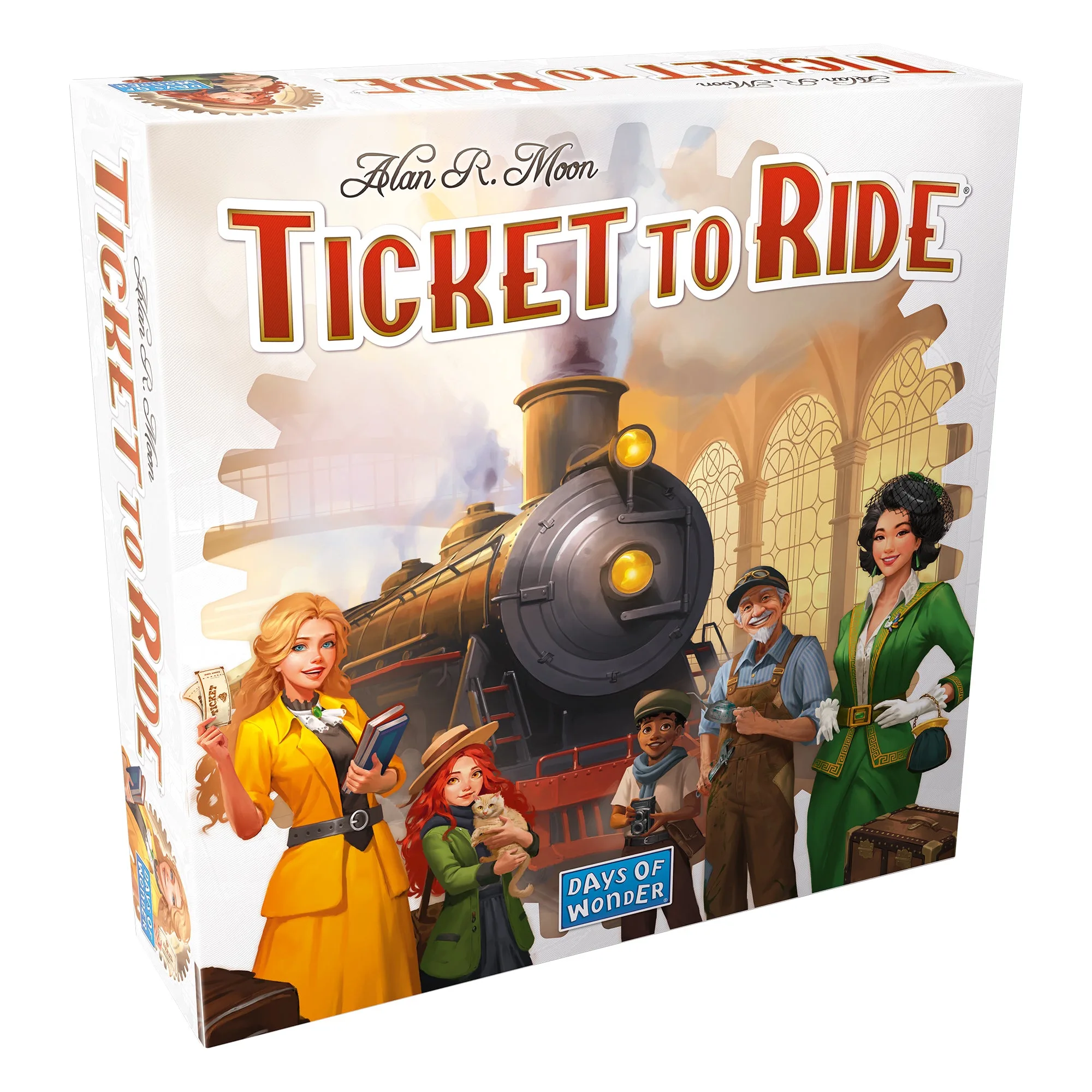
Ticket to Ride ($49.99 list) is the train game that won the Spiel des Jahres in 2004 and has been a gateway into modern board games ever since. Players collect colored train cards and spend them to claim routes between North American cities, scoring for each route and for the secret tickets they complete. The 2025 Refresh edition has new art and the same rules. It plays with two to five players, ages 8 and up, in 30 to 60 minutes.
Who it's for: families with children 8 and older, and grandparents who don't usually play board games. Keep in mind: with two players the map feels empty; it is better with three or more.
2. Best-looking game on the table: Azul
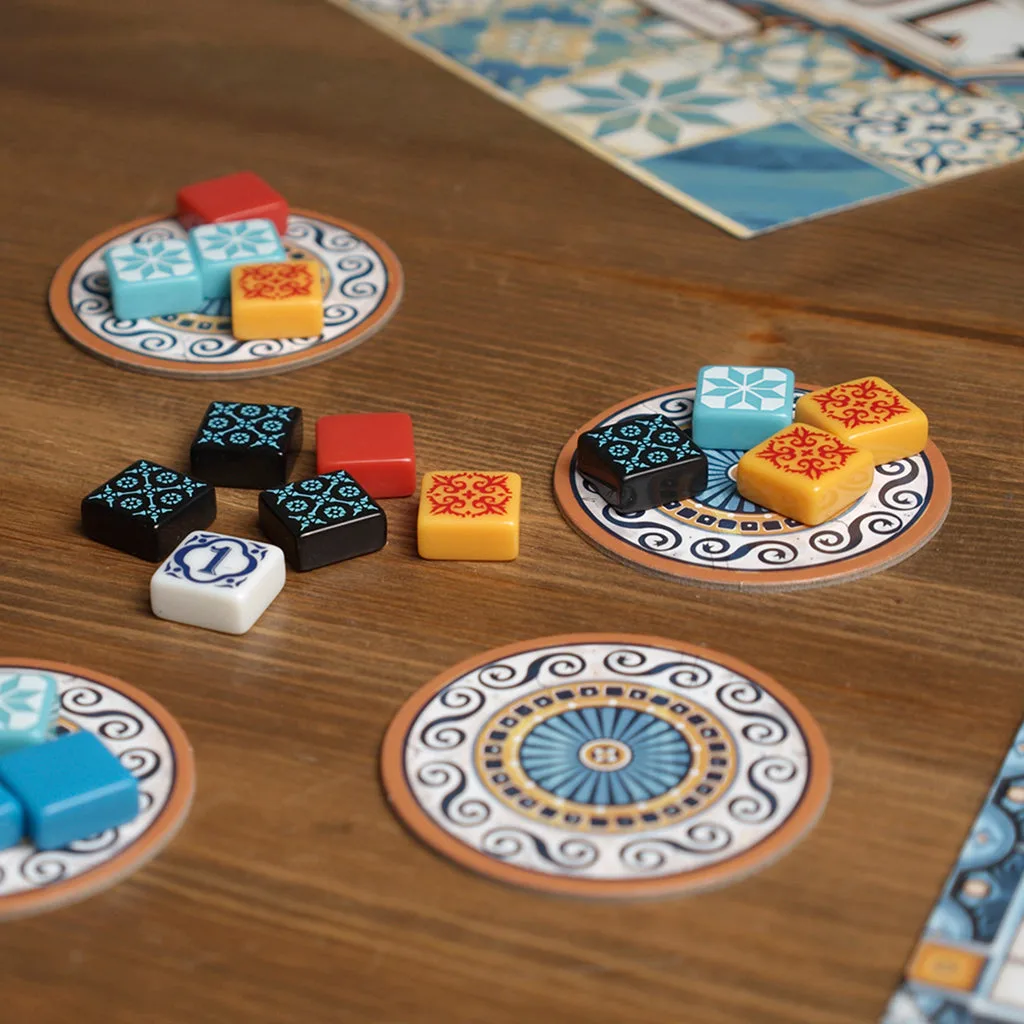
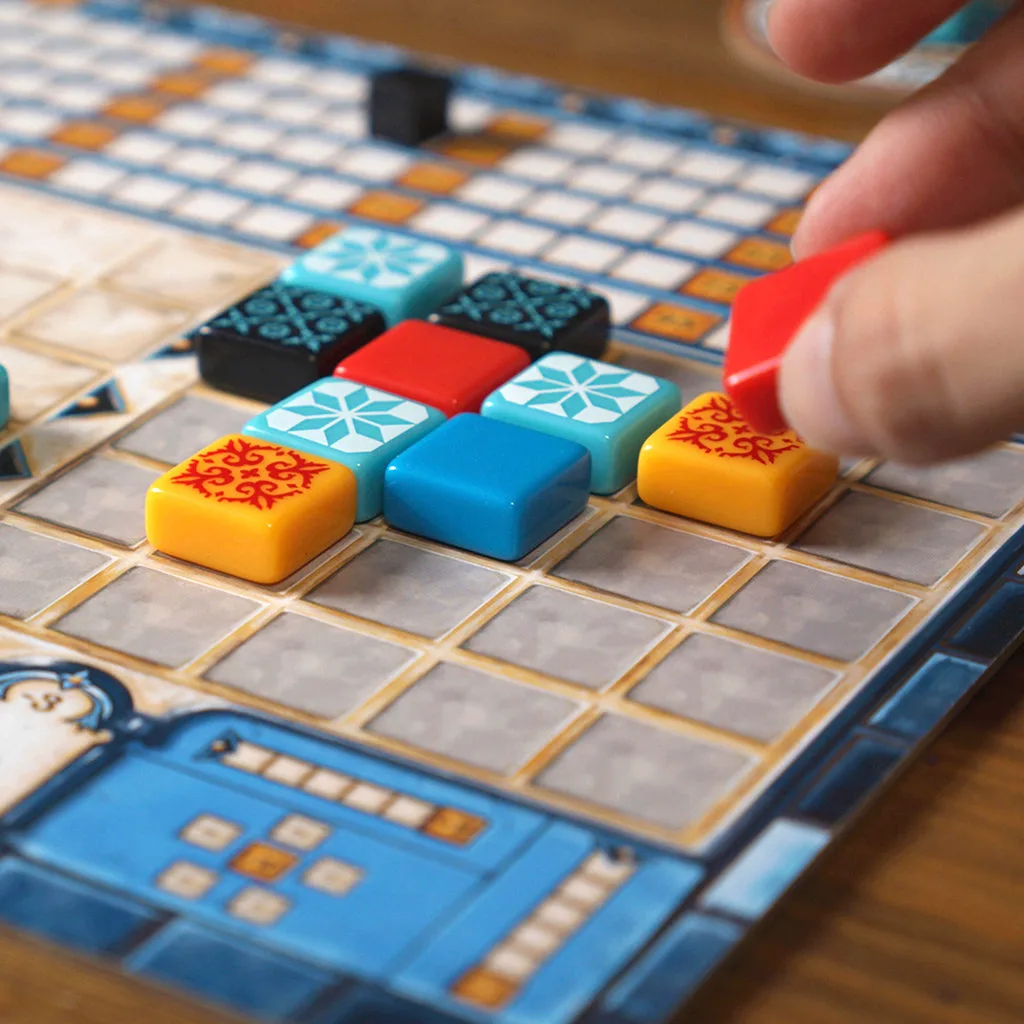
Azul ($39.99 list) has players take turns drafting colored tiles from shared displays to build a mosaic on their own board. Points come from completed rows, sets of a color and patterns, and tiles you take but can't place cost you. The heavy, glossy tiles are half the appeal. It won the Spiel des Jahres in 2018 and plays with two to four players, ages 8 and up, in 30 to 45 minutes.
Who it's for: couples and quiet families who enjoy a puzzle more than a fight. Keep in mind: the rules are simple, but taking the tile your rival needs is the whole strategy, so it is more cutthroat than it looks.
3. Best calm strategy game: Cascadia
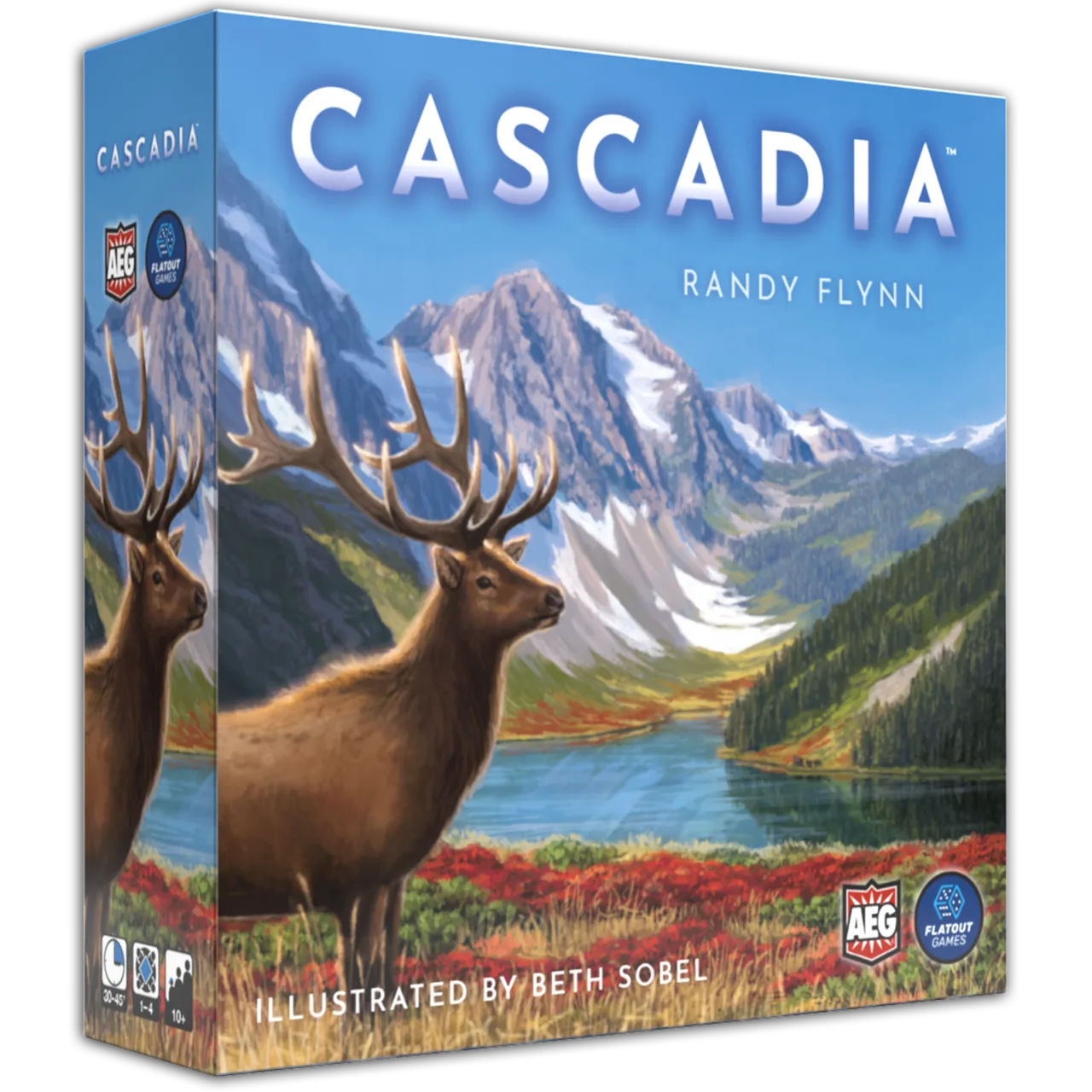
Cascadia ($39.99 list) has each player build a landscape of the Pacific Northwest from hexagonal habitat tiles and place wildlife tokens (bears, elk, salmon, hawks and foxes) to match scoring goals that change from game to game. It won the Spiel des Jahres in 2022. It plays with one to four players in 15 to 30 minutes per the publisher, and it includes a simpler family mode for new players.
Who it's for: nature lovers and players who prefer building their own thing to attacking anyone else. Keep in mind: there is little interaction between players. If your family likes to argue across the table, pick Ticket to Ride instead.
4. Best for a crowd: Codenames
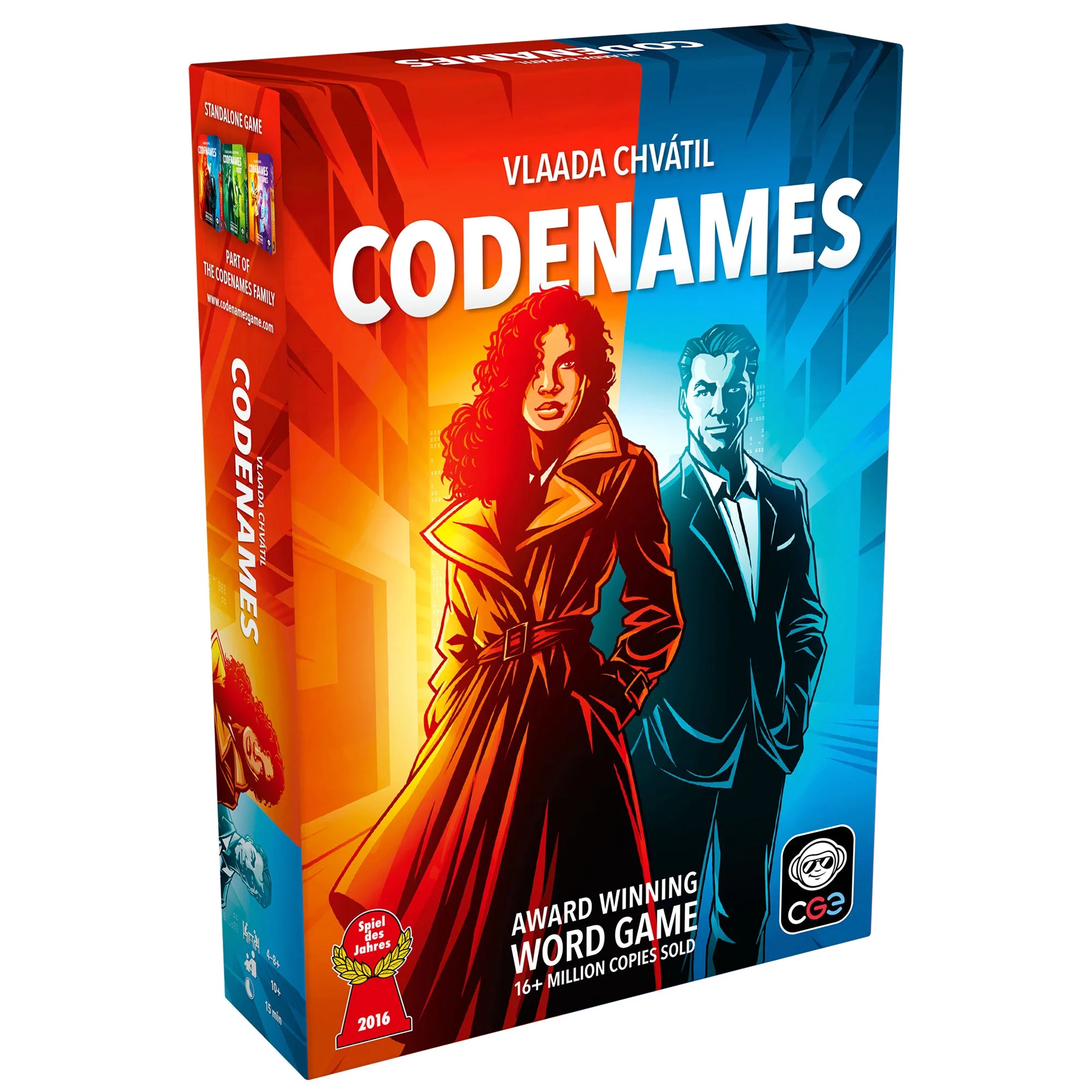
Codenames ($24.99 list) splits the room into two teams. Twenty-five words lie on the table, and each team's spymaster gives one-word clues to lead teammates to their own agents while avoiding the other team's, the bystanders and the assassin, who ends the game at once. The new second edition has revised words, new art, a better insert and a shorter rulebook. It won the Spiel des Jahres in 2016 and plays in about 15 minutes, with no real upper limit on players.
Who it's for: holiday gatherings, teenagers and adults, and anyone who likes words. Keep in mind: it needs at least four players to play normally, and its publisher rates it for ages 14 and up because clues depend on vocabulary.
5. Best for creative families: Dixit
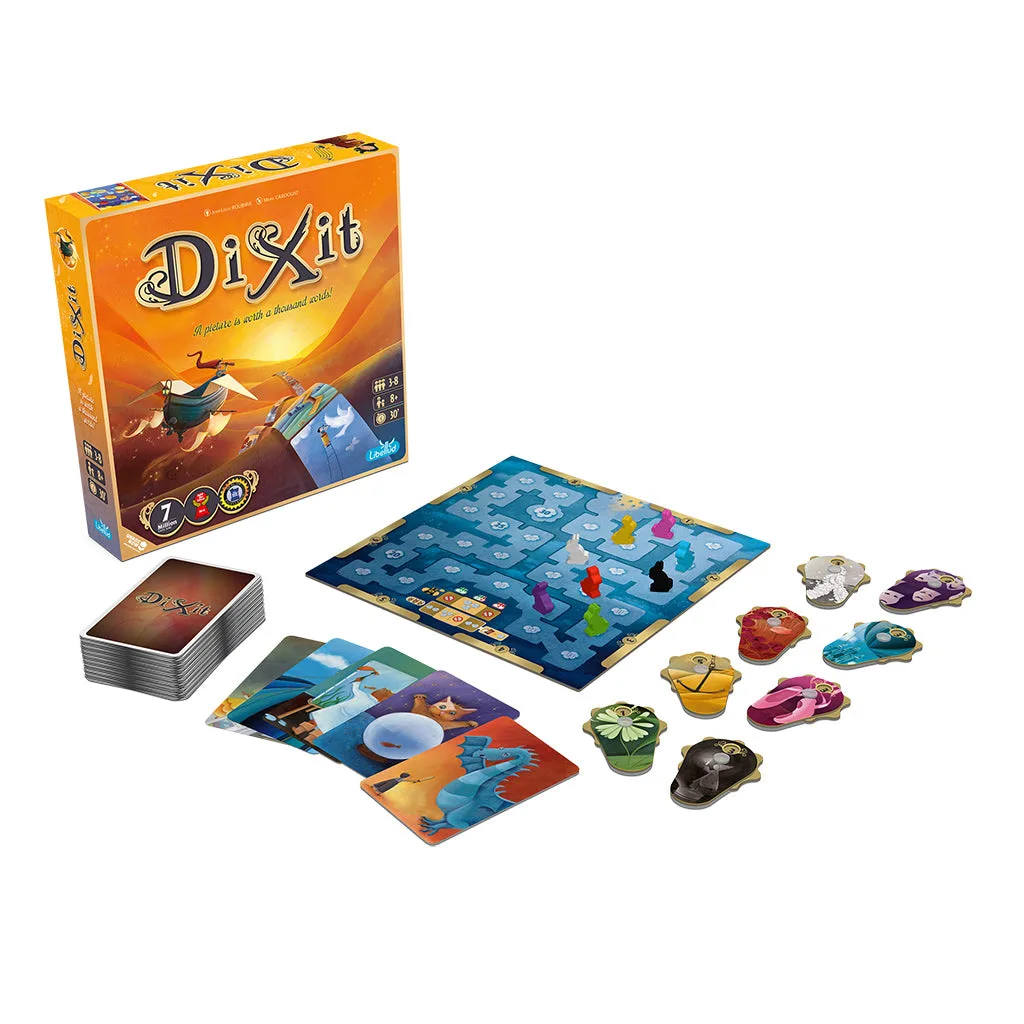
Dixit ($39.99 list) is a storytelling game built around 84 large, dreamlike illustrated cards. One player picks a card and gives a clue, a word, a phrase or a song, and everyone else offers a card that fits; then all vote on which one was the storyteller's. A clue that is too obvious or too obscure scores nothing. It won the Spiel des Jahres in 2010 and plays with three to six players, ages 8 and up, in about 30 minutes.
Who it's for: families with artistic children, and mixed groups where not everyone plays board games. Keep in mind: after many games the cards become familiar; expansion packs with new art are sold separately.
6. Best for one more game night a week: Wingspan
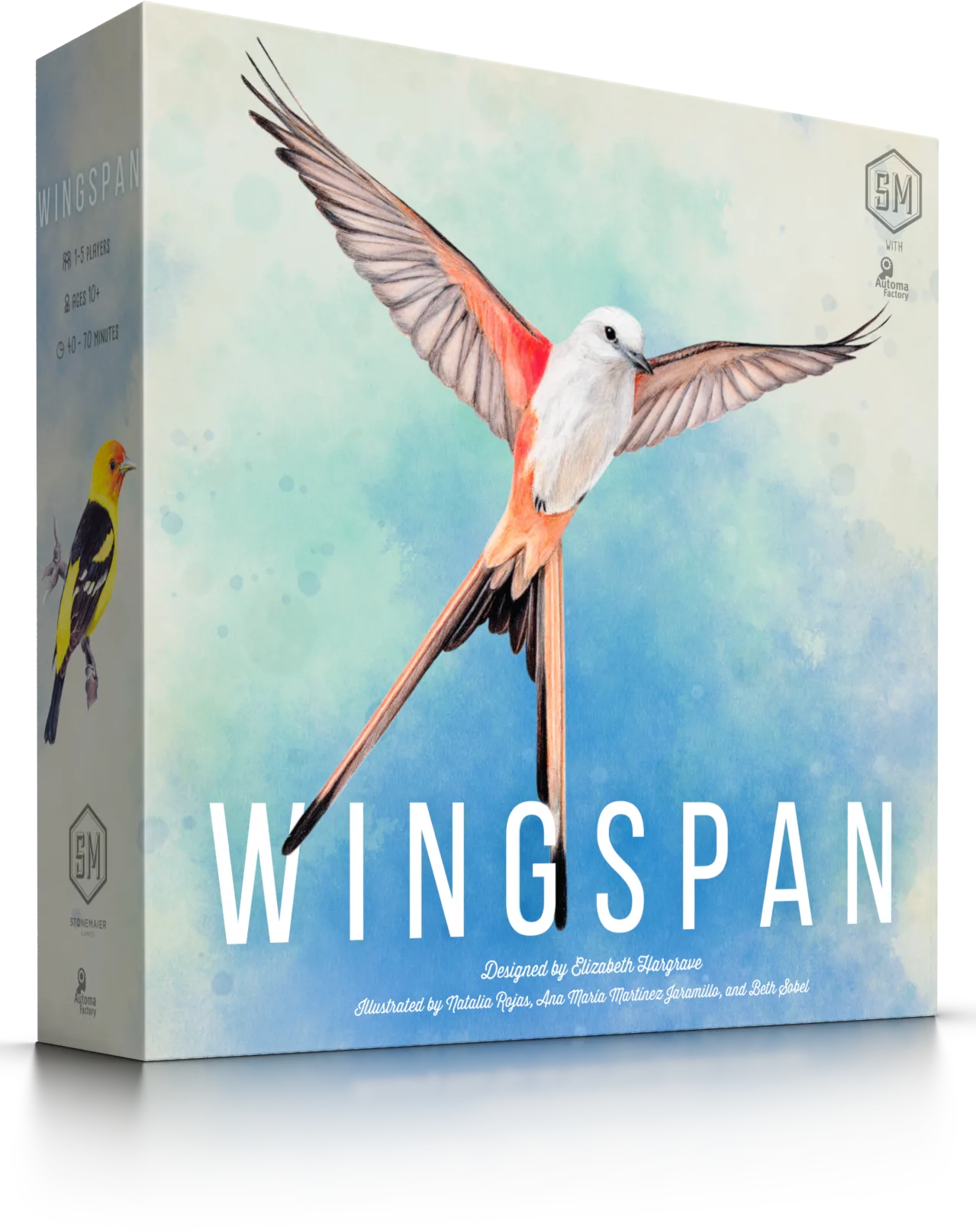
Wingspan ($65 list; $55 on Stonemaier's own store on November 19) is the step up: players attract birds to their wildlife preserves, and each bird's power chains into the next. It comes with more than 170 illustrated bird cards, egg miniatures and a birdfeeder dice tower, and it won the Kennerspiel des Jahres, the award for more demanding games, in 2019. It plays with one to five players in 60 to 90 minutes, and it has a solo mode.
Who it's for: teenagers and adults who have played the games above and want something deeper, and bird watchers. Keep in mind: the first game takes longer while everyone reads the cards. On Amazon, this listing is sold by Stonemaier Games and shipped by Amazon.
7. Best for small children: Azul Kids
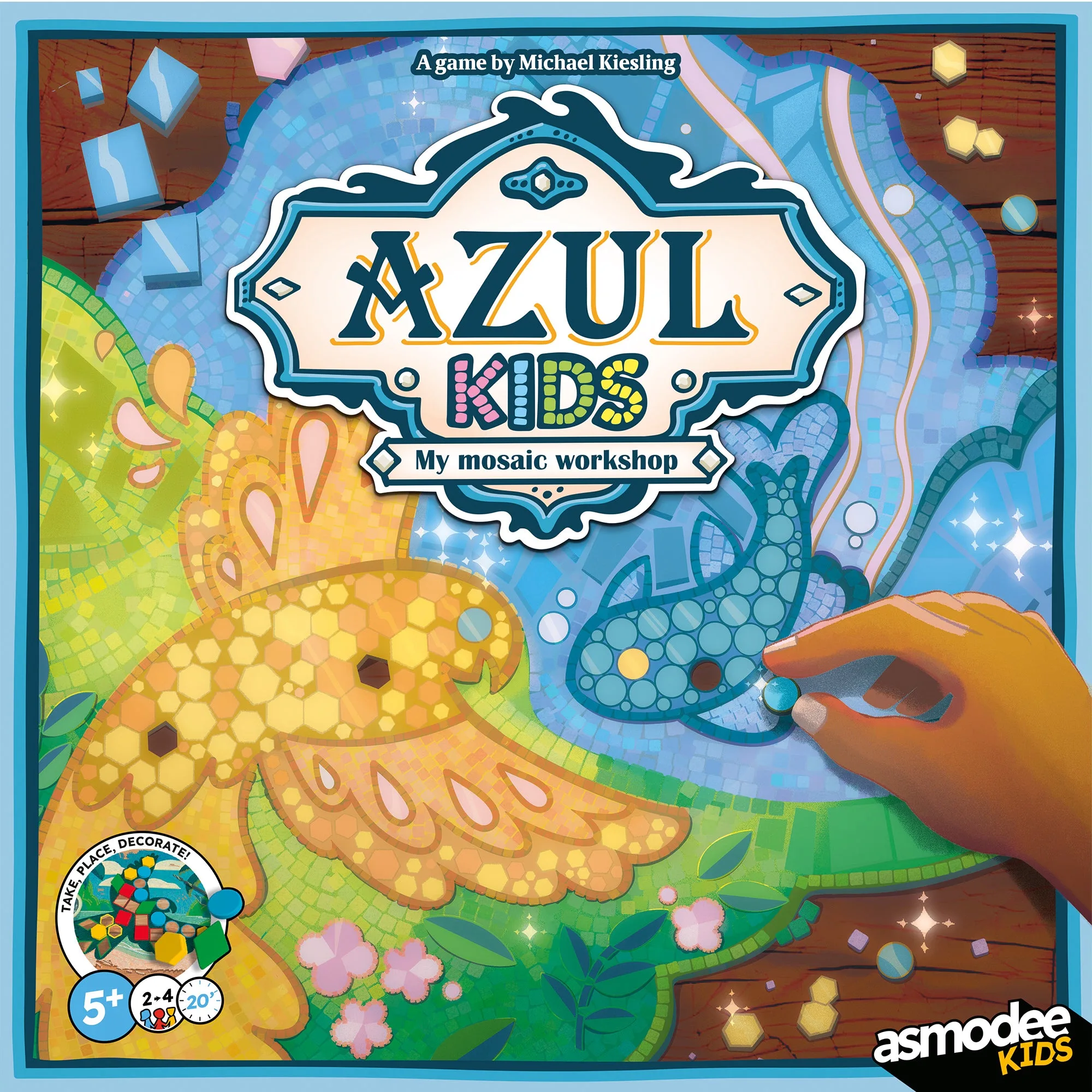
Azul Kids ($25 list) turns Azul into a first strategy game for young children: each player picks a mosaic picture and fills it with pieces drawn from shared bowls, and the first to finish wins. It comes with 120 colored pieces, a cloth bag and six mosaic boards.
Who it's for: preschool and early-school children, ideally with a parent at the table. Keep in mind: adults will find it easy. Pair it with a family game so the older players have something too.
Teaching a new game without losing the table
Read the rules alone before game night, not aloud to a waiting group. Explain the goal first, then how a turn works, and leave the exceptions for when they come up. Play the first game open-handed, helping each other, and don't keep score too seriously. Most of these games have official teaching videos from their publishers, which are worth five minutes before the first game.
If they already have a favorite
Most of these games have expansions, and for someone who already owns the base game, an expansion is often a better gift than another new box. Ticket to Ride sells new maps, such as Europe as a standalone game; Wingspan has European, Oceania and Asia expansions; Dixit sells extra card packs with new illustrators; and Azul has several sequels with different boards. Check that the expansion matches their edition, and remember that expansions need the base game to play.
What do the numbers on the box mean?
Every box shows three figures: players, age and playing time. The player range is what the rules allow, not where the game is best; this guide says so where it matters. The age is the publisher's estimate of when a child can play without help, and a patient child with an adult can usually start a year or two earlier. The playing time assumes everyone knows the rules. Allow double for the first game, including the explanation, and do not judge a game by that first, slow play.
To keep a game in good shape, put the pieces in small zip bags by type before closing the box, store boxes flat so cards and boards do not warp, and keep drinks on a side table. A game that is quick to set up gets played more often.
By budget
Under $30: Codenames and Azul Kids. Around $40: Azul, Cascadia and Dixit. About $50: Ticket to Ride. For a deeper game: Wingspan. A good pairing for a family gift is one game for everyone and one short game for when people have only 20 minutes.
Before you order
Check the edition: Ticket to Ride and Codenames both have recent new editions, and their older boxes are still sold. The rules are compatible, but expansions for the new editions may differ. Look at who sells the listing; for these games, buy from Amazon or from the publisher's own storefront on Amazon, not from a third-party seller with a higher price.
How to get it right
Buy for the youngest player and the time you actually have. When unsure, Ticket to Ride for a family of four, Codenames for a crowd.