How a vinyl record works (and why it came back)
A groove, a needle and 33 revolutions per minute: the 1948 technology that keeps winning listeners.
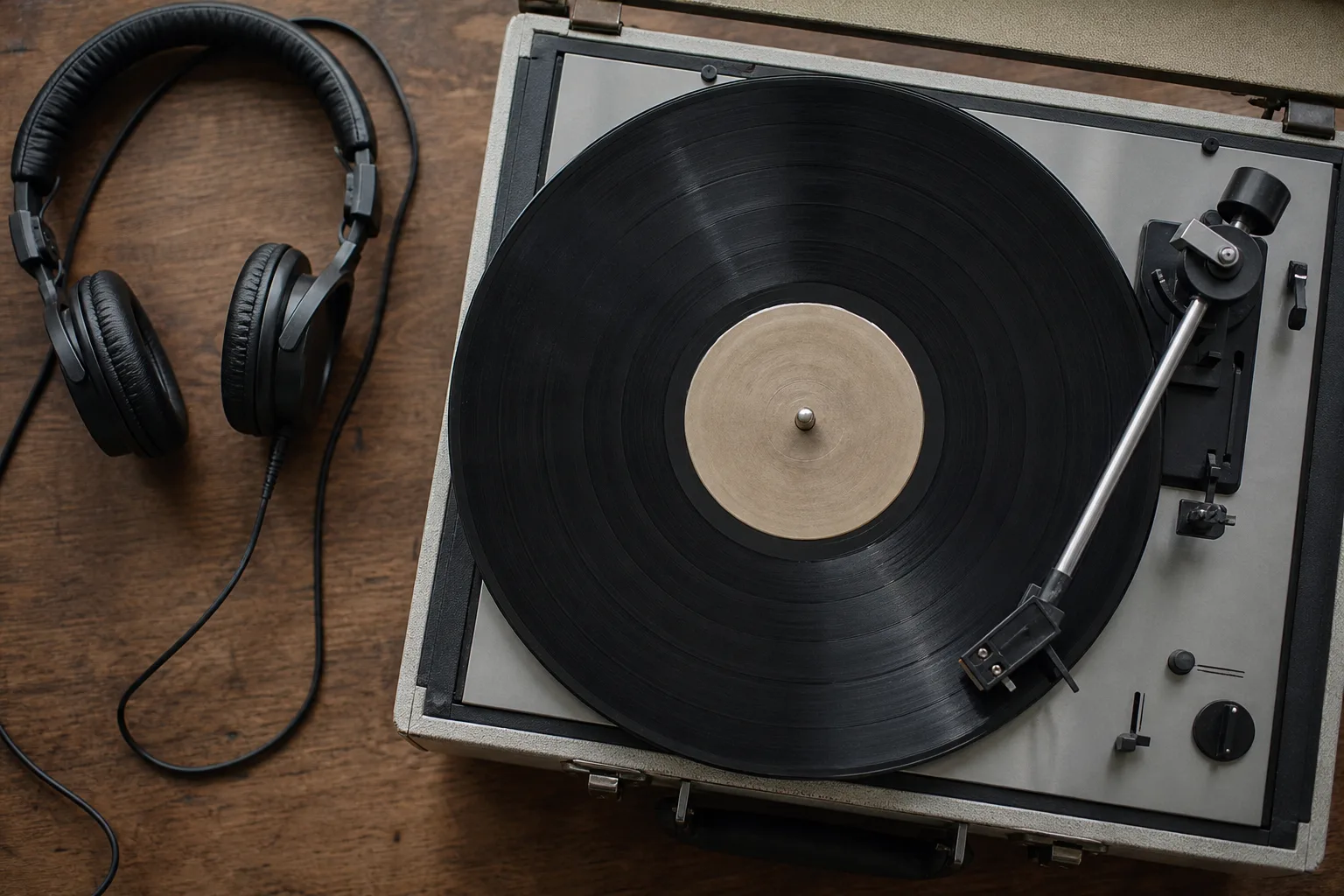
In the middle of the streaming era, vinyl record sales have been growing for more than fifteen years. Part of the charm is that you can see how it works.
The figures are no longer marginal. In the United States, according to the recording industry association RIAA, vinyl revenue grew for the 19th year in a row in 2025 and passed one billion dollars, with about 48.5 million records sold. It is still a small share next to streaming subscriptions, but it is the physical format that refuses to disappear. Here is what happens between the groove and your ears.
The groove
A record has a single spiral groove on each side. Its walls are wavy: those waves are the physical shape of the sound. The needle runs along them and vibrates, and that vibration becomes an electrical signal and then music.
In a stereo record, each of the two walls of the groove, set at an angle to each other, carries one channel: the inner wall the left, the outer wall the right. The needle, or stylus, is a tiny diamond tip mounted on a flexible arm inside the cartridge. As it moves, it shifts a magnet or a coil, and that generates a very weak electric current. That is why a turntable needs a phono preamplifier, built in or separate, before the signal reaches the speakers.
The hidden trick
There is one more step most listeners never notice. When a record is cut, the bass is reduced and the treble boosted, following a standard curve known as the RIAA curve. Strong bass would make the grooves too wide and the needle jump; weak treble would be buried under surface noise. The preamplifier reverses the curve on playback, and the music sounds balanced again.
The speeds
The 33⅓ rpm LP was introduced by Columbia in 1948 and allowed about twenty minutes per side. A year later came the 45 rpm single, with one song per side. Before both, shellac records spun at 78 and lasted barely three minutes.
The 45, launched by RCA Victor, became the format of jukeboxes and rock and roll. The LP, made of vinyl, a plastic far less fragile and quieter than shellac, allowed longer works to be heard without interruption. Jazz and classical music benefited first, and in the 1960s pop musicians began to think of the album as a whole.
The LP did not just change the format: it invented the album as a complete work.
How a record is made
The process has barely changed in decades. The music is first cut into a master disc, called a lacquer. From it, through electroplating, metal molds called stampers are made. In the pressing plant, a lump of hot vinyl is squeezed between two stampers, one for each side, together with the labels. A press produces one record every half minute or so, and a single stamper can make only a limited number of copies before it wears.
Does it sound better?
It depends. A well-pressed record on a good system gives a warm sound, but also surface noise and wear. What does change is the way of listening: you have to get up to turn the record over, and that invites you to hear it whole.
In technical terms, a high-resolution digital file has a wider dynamic range and no surface noise. But that is not why people buy records. The large cover, the printed lyrics, the object on the shelf and the habit of listening without skipping offer something that a playlist does not. Since 2008, Record Store Day, held every April, has helped turn that ritual into a fan event.
Basic care
Store records upright, away from heat. Hold them by the edge. And clean the needle now and then: it is the smallest part and the most important.
Put records back in their inner sleeve after each play, and use a carbon-fiber brush to remove dust before you listen. A worn stylus not only sounds worse: it can damage the grooves, so replace it according to the manufacturer's guidance.
Getting started
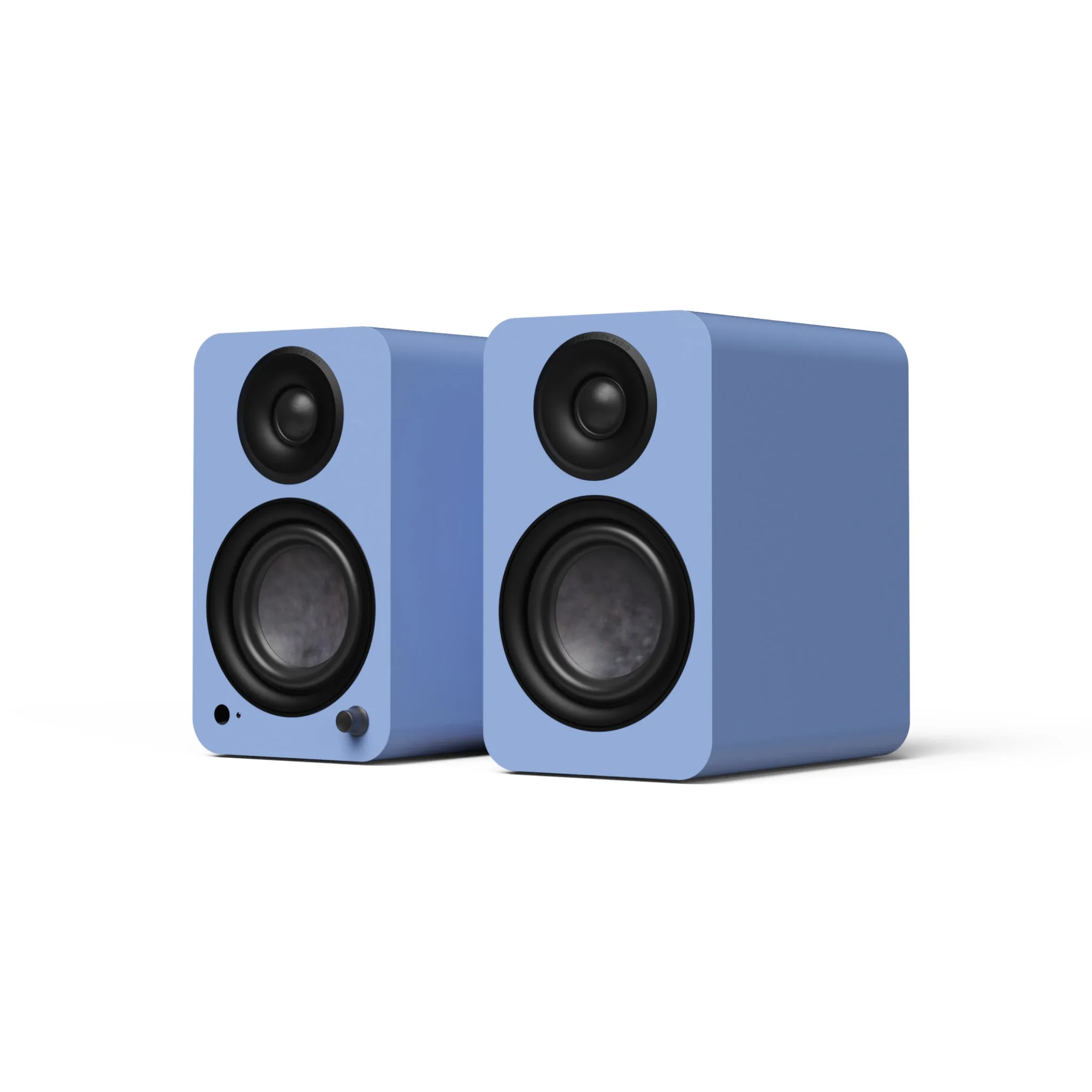
You do not need expensive equipment. A simple turntable with a stylus in good condition and decent speakers are enough to begin. Secondhand records are usually cheap and sound fine if they are not scratched: hold them up to the light before buying. And remember that part of the appeal is not technical but ritual: choosing a record, taking it out of its sleeve and listening to a whole side without skipping songs.