How esports work: teams, leagues and why millions watch
Professional gaming fills arenas and has salaried players, coaches and commentators. A plain guide for anyone who has never watched a match.
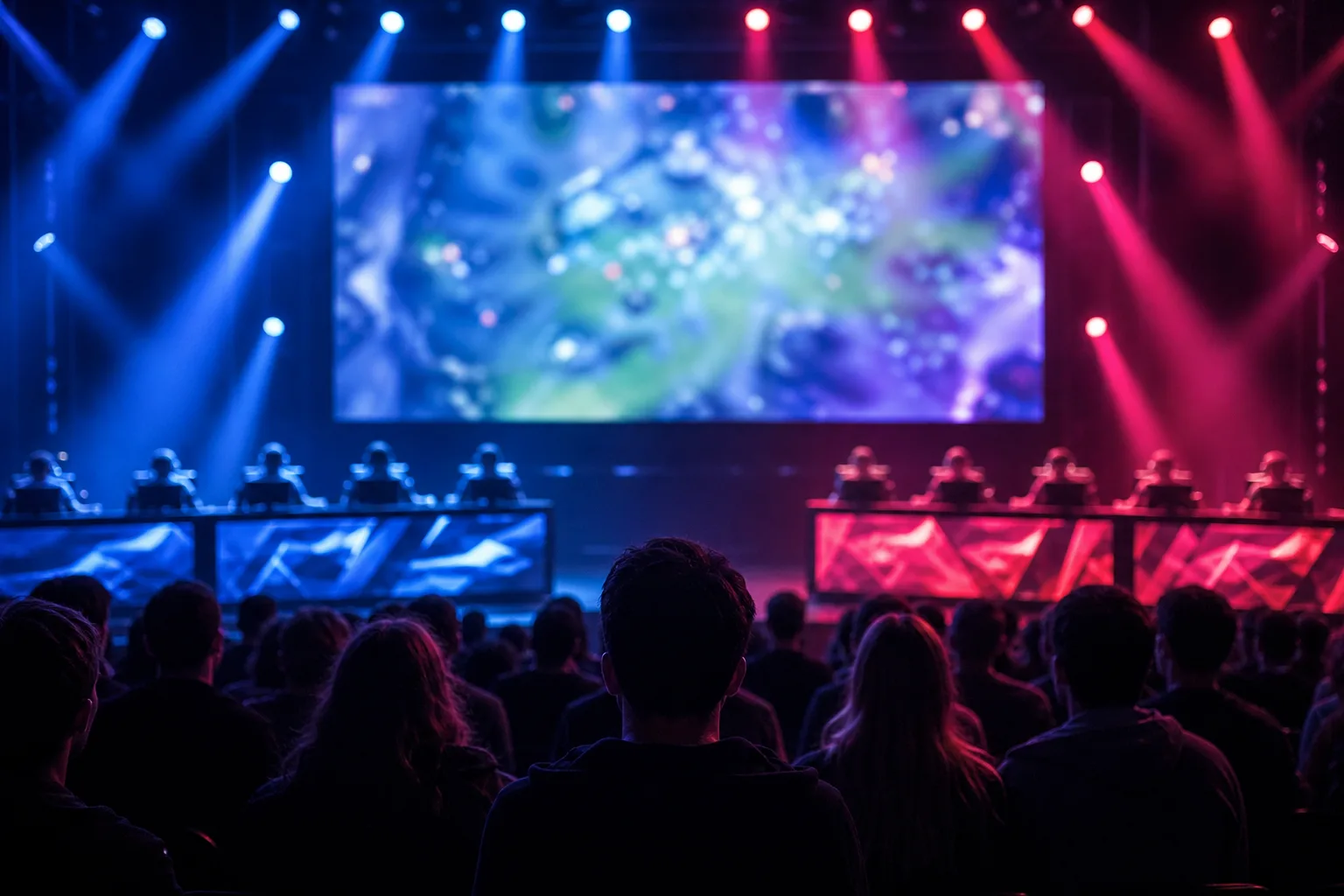
To some people it is still strange that anyone would watch others play video games. Then they see an arena of fifteen thousand people shouting at a screen, and it looks exactly like sport. Here is how it works.
A fifty-year-old idea
The first known video game tournament took place at Stanford University in 1972. Students played Spacewar!, and the prize was a year's subscription to Rolling Stone magazine.
The professional version was born in South Korea around 2000. Fast internet arrived early there, the strategy game StarCraft became a national passion, and television channels began to broadcast matches with commentators and sponsors. The model spread to the rest of the world with online streaming.
The games that matter
Esports is not one sport. Each game is its own discipline, with its own stars and fans.
1. **League of Legends** and **Dota 2**: two teams of five try to destroy each other's base. The biggest audiences.
2. **Counter-Strike** and **Valorant**: tactical shooters played in short rounds.
3. **Fighting games** such as *Street Fighter*: one against one, with a famous annual tournament, Evo.
4. **Sports and racing games**, which have official leagues linked to real clubs.
One big difference from football: every game is owned by a company. The publisher can change the rules, run the league or close it.
Nobody owns football. Every esport belongs to the company that made the game.
Who is on a team
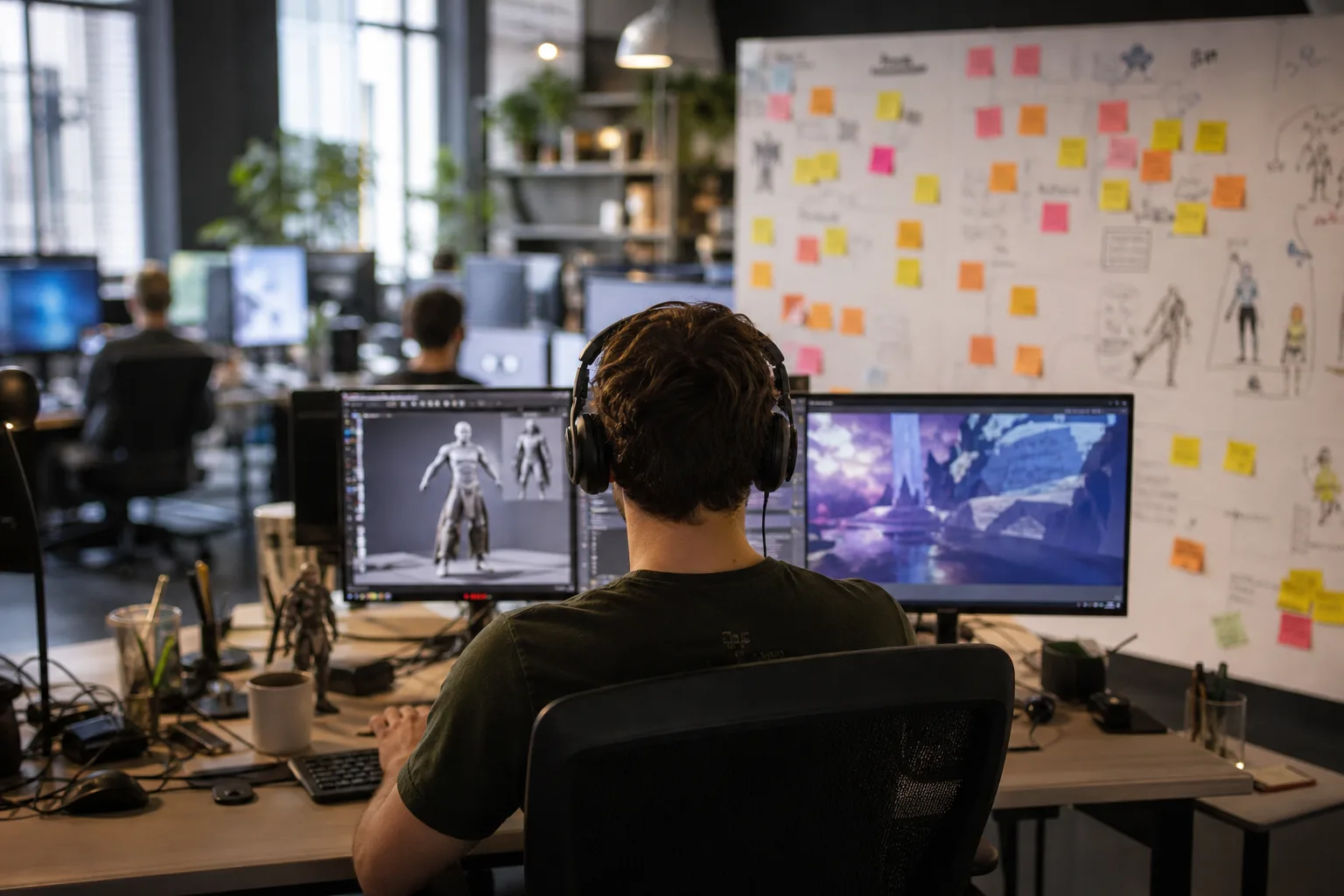
A professional team looks like a small sports club. There are the players, usually aged between seventeen and twenty-five, and a coach, analysts who study rivals, and often a psychologist and a physiotherapist. Players train eight hours a day or more, and careers are short because reflexes and motivation fade.
The best known player in the world is the South Korean Faker, a League of Legends champion who has been at the top for more than a decade.
Where the money comes from
Mostly from sponsors, plus prize money, merchandise and media rights. Prize pools can be enormous: the main Dota 2 tournament once shared out about forty million dollars. Even so, many teams lose money, and the industry has gone through cuts in recent years.
How to start watching
Matches are free on Twitch and YouTube. Pick the game you already play, or the easiest one to follow, which for most people is a fighting game or a football game. Choose a big final, and let the commentators explain it. They are very good at that.