Salsa: the music New York gave back to the Caribbean
The tribute to Willie Colón at the Latin Grammys is a good excuse to revisit how the Fania sound was born.
This month's Latin Grammys remembered Willie Colón, trombonist, producer and one of the central figures of salsa. His story is also the story of a genre.
Colón died in February at 75. At the ceremony, held on November 12 in Las Vegas, his son Miguel Colón joined Grupo Niche, Luis Enrique, Fonseca, Niña Pastori and Nathy Peluso, among others, for a tribute that ran through several generations and countries. That mix says a lot about how far the music he helped create has traveled.
One name for many musics
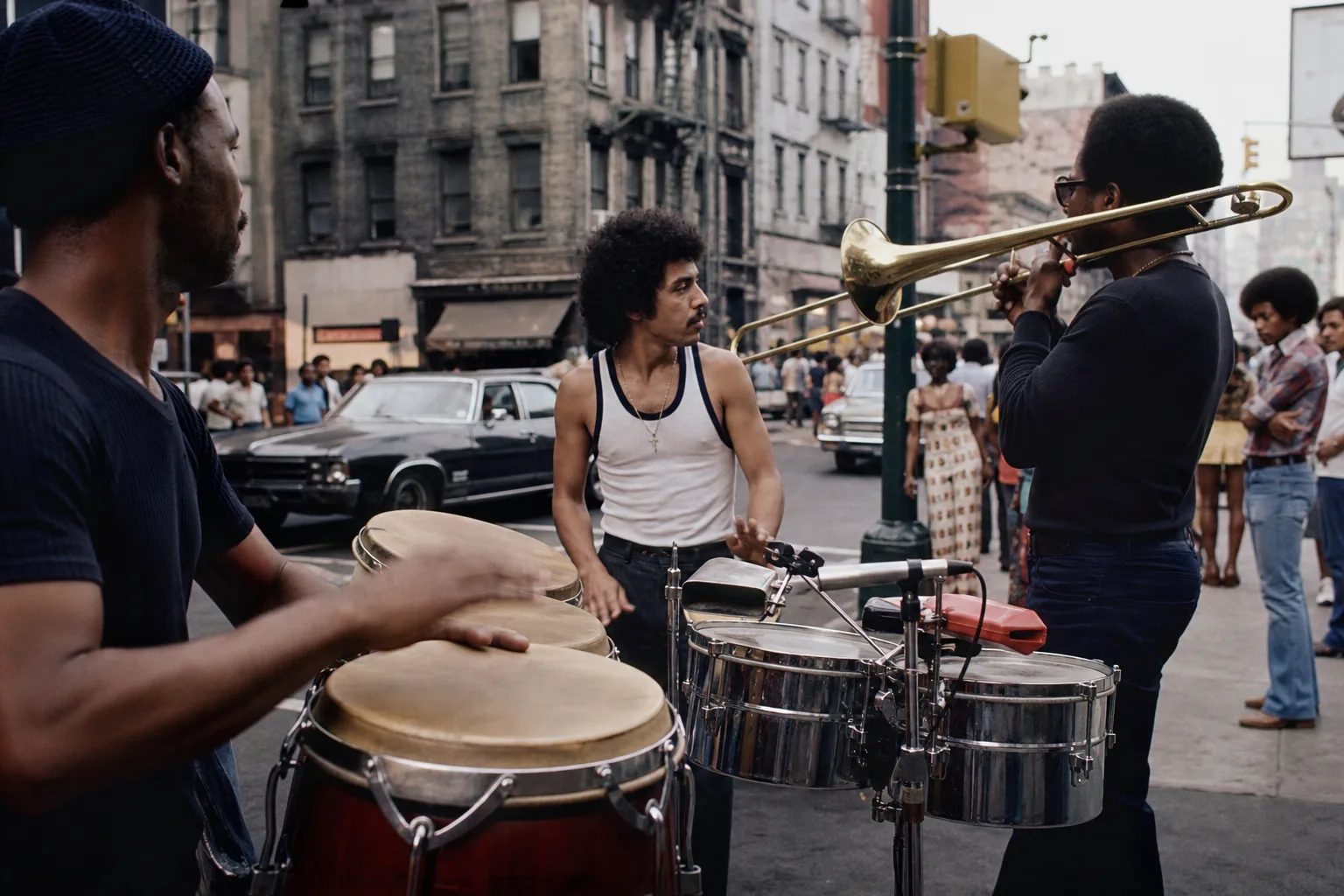
Salsa was not born on an island but in the Latino neighborhoods of New York in the 1960s. Puerto Rican, Cuban and Dominican musicians mixed son, mambo and guaracha with jazz and the energy of the city. "Salsa" was, in part, a commercial label for all of it.
The roots run back to the Cuban son and to the big mambo orchestras that filled the Palladium Ballroom in the 1950s, led by Tito Puente, Machito and Tito Rodríguez. After the Cuban revolution of 1959 and the break between Havana and Washington, the flow of musicians and records from the island was cut off, and New York's young musicians, many of them sons of Puerto Rican immigrants, took the tradition into their own hands. They played it rougher, louder and faster, with the sound of the street in it.
Fania
The label Fania Records, founded in 1964 by Johnny Pacheco and Jerry Masucci, brought almost everyone together: Celia Cruz, Héctor Lavoe, Ray Barretto, Rubén Blades. The Fania All-Stars concert at Yankee Stadium in 1973 marked the peak.
Pacheco, a Dominican bandleader and flutist, provided the musical direction; Masucci, an Italian-American lawyer, the business sense. The label's house band, the Fania All-Stars, worked like a team of soloists, and a 1971 concert at the Cheetah club in Manhattan became the film Our Latin Thing, which carried the sound to audiences across Latin America. In 1974 the All-Stars played in Kinshasa as part of the music festival around the boxing match between Muhammad Ali and George Foreman.
Salsa told the life of the barrio with trombones: pride, nostalgia and the street.
Colón, Lavoe and Blades
Colón formed, with singer Héctor Lavoe, one of the genre's best-loved partnerships. He then recorded Siembra (1978) with Rubén Blades; it includes "Pedro Navaja" and remains one of the best-selling salsa albums.
Colón was a teenager from the Bronx when he recorded his first album, El Malo, in 1967, with Lavoe on vocals. His band replaced the usual trumpets with trombones, and that harsh, almost aggressive sound became his signature. Lavoe, from Ponce, Puerto Rico, brought the voice and the street humor. Blades, a Panamanian who had studied law, brought lyrics that told stories: "Pedro Navaja", inspired by "Mack the Knife", is a whole crime chronicle in seven minutes, and "Plástico" is a critique of consumerism you can dance to.
From New York to the whole continent
The title of this article is not an exaggeration. Salsa returned to the Caribbean and spread far beyond it: El Gran Combo in Puerto Rico, Óscar D'León in Venezuela, and Cali, in Colombia, which proclaimed itself the world capital of salsa and made Grupo Niche its anthem band. In the 1980s came salsa romántica, softer and more radio-friendly, and the debate between purists and new fans has never quite ended.
To begin
Siembra, Celia & Johnny (1974) and any Lavoe compilation. And, if you can, a dance floor.
If you want to go further, add Asalto Navideño (1971), by Colón and Lavoe, a Christmas album that is played far beyond December in Puerto Rico, and the Live at Yankee Stadium recordings of the Fania All-Stars. For the history, the film Our Latin Thing shows the Cheetah concert and the streets of the barrio that inspired it.
The clave
Everything in salsa is organized around a pattern of five strokes spread over two bars: the clave. Sometimes two wooden sticks play it; sometimes nobody does, but every musician carries it in their head. A good exercise is to try clapping it while a track plays: when it locks in, the whole song makes sense, and so do the dancers' steps.