The jota, one step from becoming world heritage
The music and dance genre, found across almost all of Spain, is among the nominations UNESCO will examine in early December.
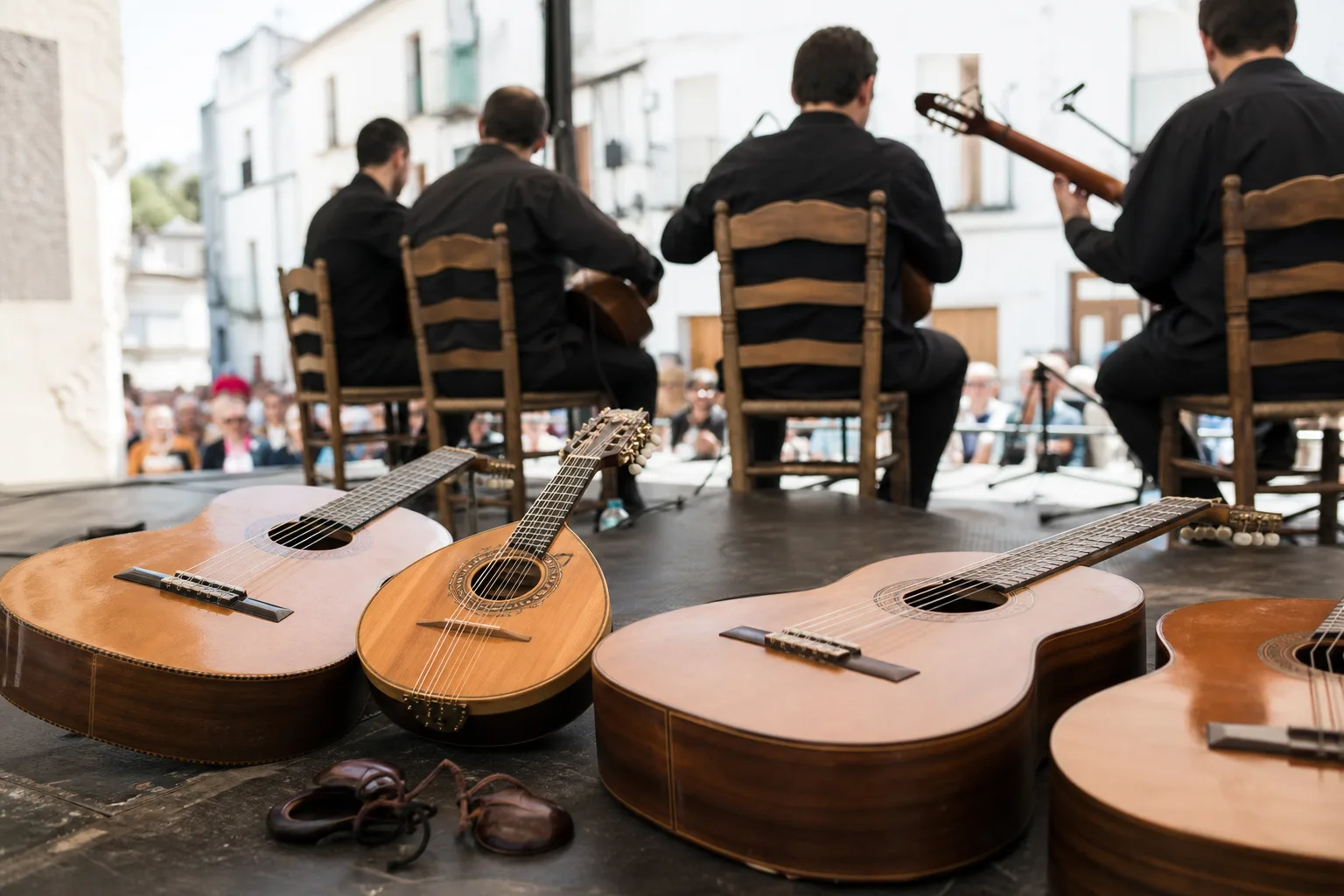
The jota is one of the candidates UNESCO's intangible heritage committee will assess at its Xiamen meeting, between December 1 and 3. The organization describes it as a traditional genre of music and dance in triple time, documented since the 18th century and performed with guitars, castanets, dulzainas and other instruments.
A shared bid
The proposal involves much of the country: according to El Español, Castilla-La Mancha takes part alongside fifteen other autonomous communities.
Aragonese, Navarrese, Castilian, Valencian, Manchegan: each region dances the jota its own way.
What it would mean
Inscription brings no automatic funding, but it commits states to documenting and protecting the practice, and usually boosts its teaching.
What the jota is
The jota is at once a music, a song and a dance. It is accompanied by guitars, bandurrias and lutes, and danced with arms raised and castanets, with quick jumps and turns. The Aragonese version is the best known, but variants exist across much of Spain, from Navarre and La Rioja to Valencia, Castile or Extremadura, each with its own rhythm, dress and way of singing.