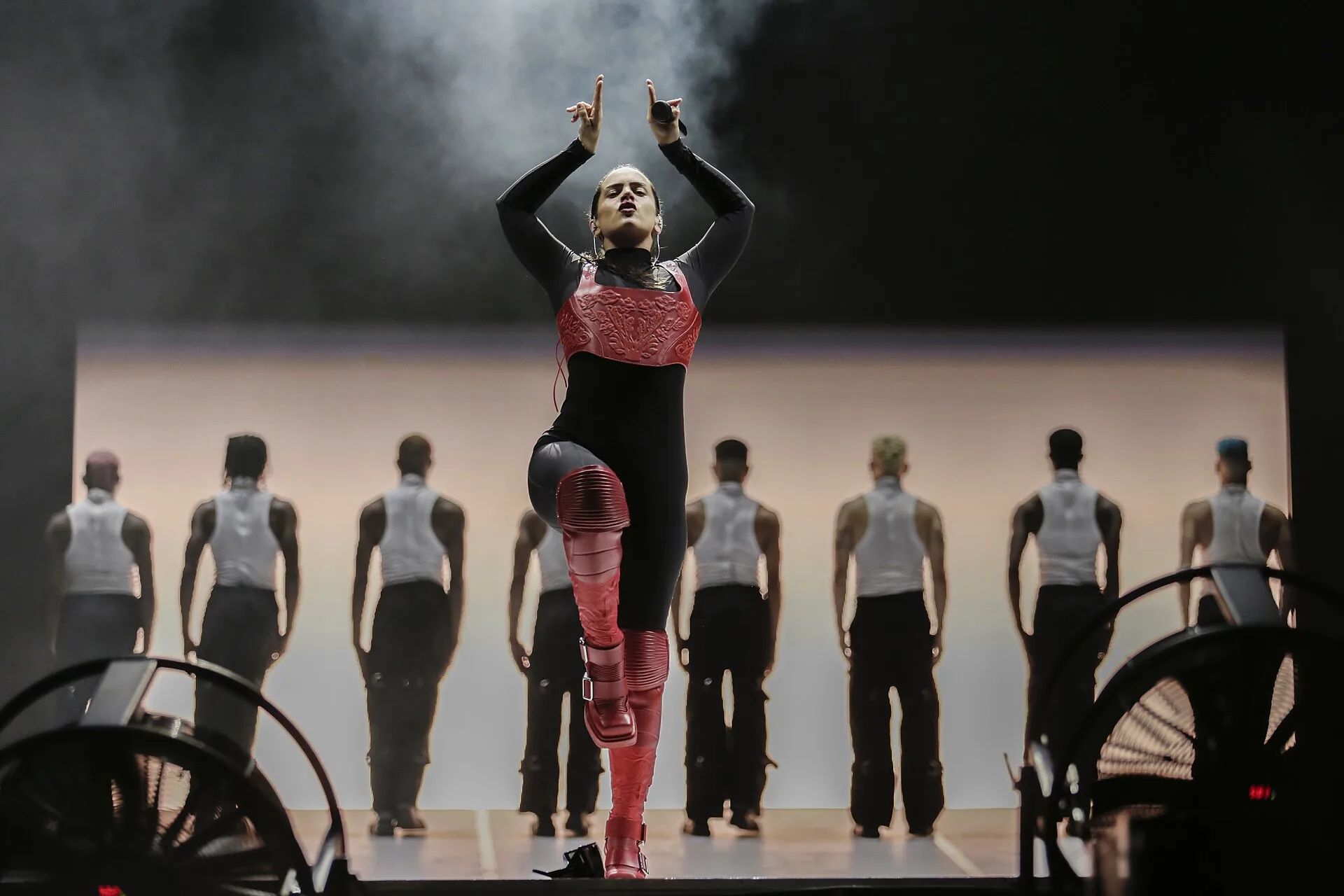
Where reggaeton comes from
Panama, Jamaica, New York and the housing projects of Puerto Rico: the route of the rhythm that has just made Daddy Yankee Person of the Year.
The Latin Recording Academy named Daddy Yankee its Person of the Year, the first urbano artist to receive the honor. It is the definitive recognition of a genre that for years was persecuted and looked down on.
The tribute, held on November 11 in Las Vegas during Latin Grammy week, put him on a list that includes Juan Gabriel, Shakira, Joan Manuel Serrat and Rubén Blades. For a music that, thirty years ago, police seized from record shops in San Juan, it is quite a journey. Here is the route, from the Panama Canal to the top of the global charts.
The rhythm
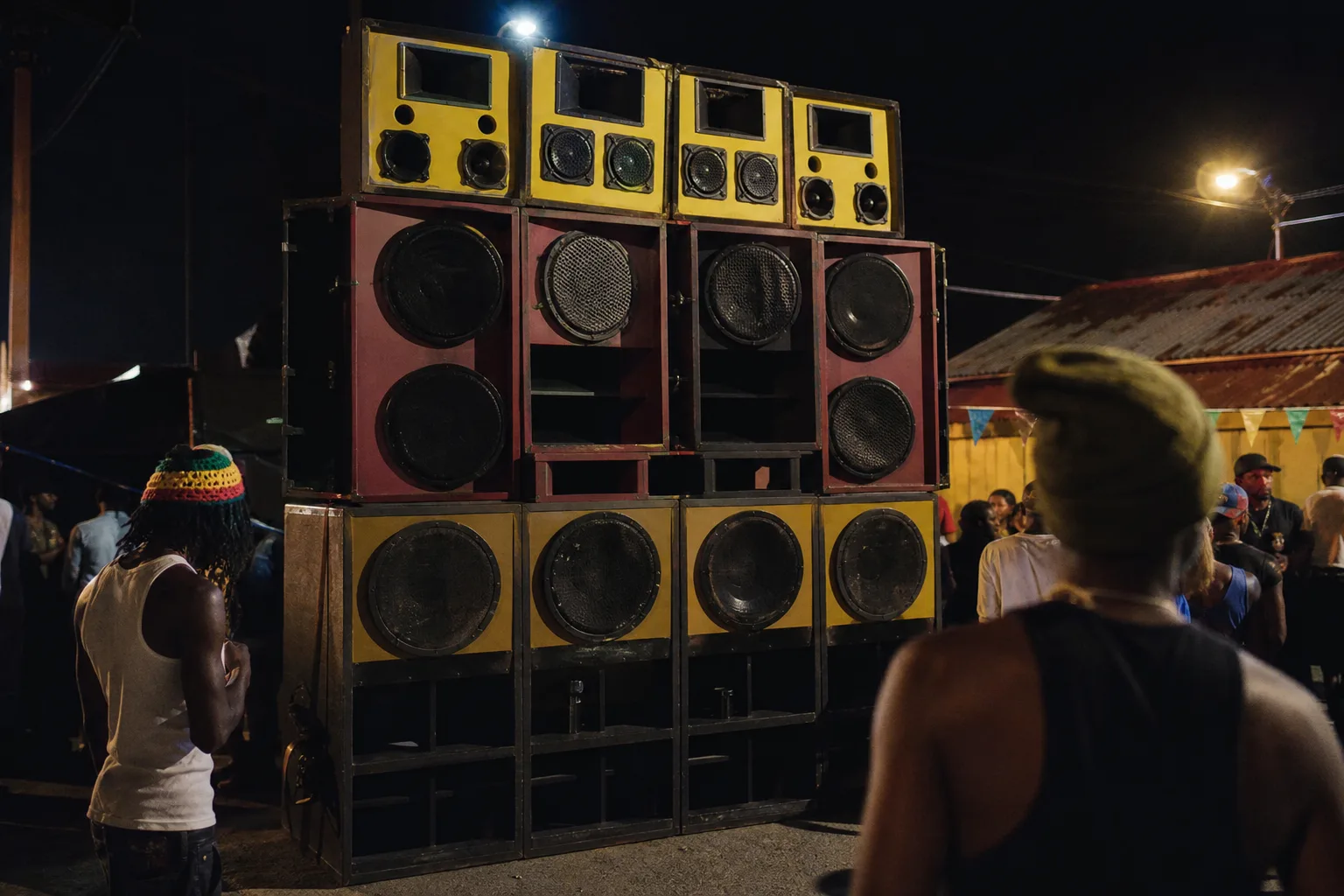
The heart of reggaeton is dembow, a percussion pattern named after "Dem Bow," a 1990 song by Jamaica's Shabba Ranks. That beat — boom, chack, boom-chack — is in almost every song in the genre.
The pattern itself was not invented for that song: the Jamaican production duo Steely & Clevie had created the rhythm track a little earlier, and "Dem Bow" made it famous. It repeats without rest, and almost anything fits on top of it: rap, pop melodies, bachata or electronic music. That flexibility partly explains why the genre has lasted longer than its critics predicted.
The route
In Panama, descendants of Jamaican canal workers began singing reggae in Spanish in the 1980s. In New York, Latino producers mixed that sound with hip hop. And in Puerto Rico, in the early nineties, DJs such as Playero and Nelson spread it on homemade cassettes: the underground.
Panamanian artists such as El General were the first to reach a wide audience in Spanish, with dancehall tracks that sounded in clubs across Latin America and in Latino neighborhoods of the United States. In Puerto Rico, the mixtapes were recorded in a few hours, copied by hand and sold in shops and street stalls. A very young Daddy Yankee appeared on DJ Playero's tapes. The scene grew in the public housing projects, the caseríos, and that origin marked both its lyrics and the way the rest of society looked at it.
Before filling stadiums, reggaeton circulated on cassettes that police confiscated from shops.
Persecution
Those confiscated cassettes are not a figure of speech. In February 1995, Puerto Rico's police vice squad raided six record stores in the San Juan area and confiscated hundreds of cassettes and CDs of underground music, accusing them of breaking obscenity laws with their sexual content and references to drugs and violence. Politicians such as Senator Velda González campaigned against the music, and the island argued for years about censorship. Far from killing the genre, the controversy gave it publicity.
The explosion
In 2004, Daddy Yankee's "Gasolina" took the genre to radio stations around the world. The album Barrio Fino was a turning point. Thirteen years later, "Despacito" made it global pop.
In between, the genre found new homes. Medellín, in Colombia, became a second capital, with J Balvin, Maluma and Karol G. And women carved out space in a scene dominated by men: Ivy Queen, the so-called queen of reggaeton, had already shown in the early 2000s that the genre could be sung from a woman's point of view. "Despacito," by Luis Fonsi with Daddy Yankee, broke streaming records in 2017 and, with a remix featuring Justin Bieber, spent months at the top of the charts in the United States.
Today
From Bad Bunny to Karol G, dembow is the basis of much of the most-listened-to music on the planet.
The clearest proof came in February 2026, when Bad Bunny's Debí Tirar Más Fotos became the first Spanish-language album to win the Grammy for album of the year. The album mixes reggaeton with salsa, plena and other Puerto Rican music, a sign that the genre is now confident enough to look back at its own roots. Daddy Yankee, who retired from the stage in 2023, receives his tribute at a moment when the music he helped create no longer needs anyone's permission.
To listen
A quick tour in five stops: El General's early hits, any of DJ Playero's mixtapes from the nineties, Barrio Fino (2004), Ivy Queen's Diva (2003) and Debí Tirar Más Fotos (2025). Listen to them in order and you will hear the same beat change clothes for thirty years.