Why it matters who translates the book you read
Almost half of what we read was written in another language. Behind it is a discreet craft that decides how every sentence sounds.
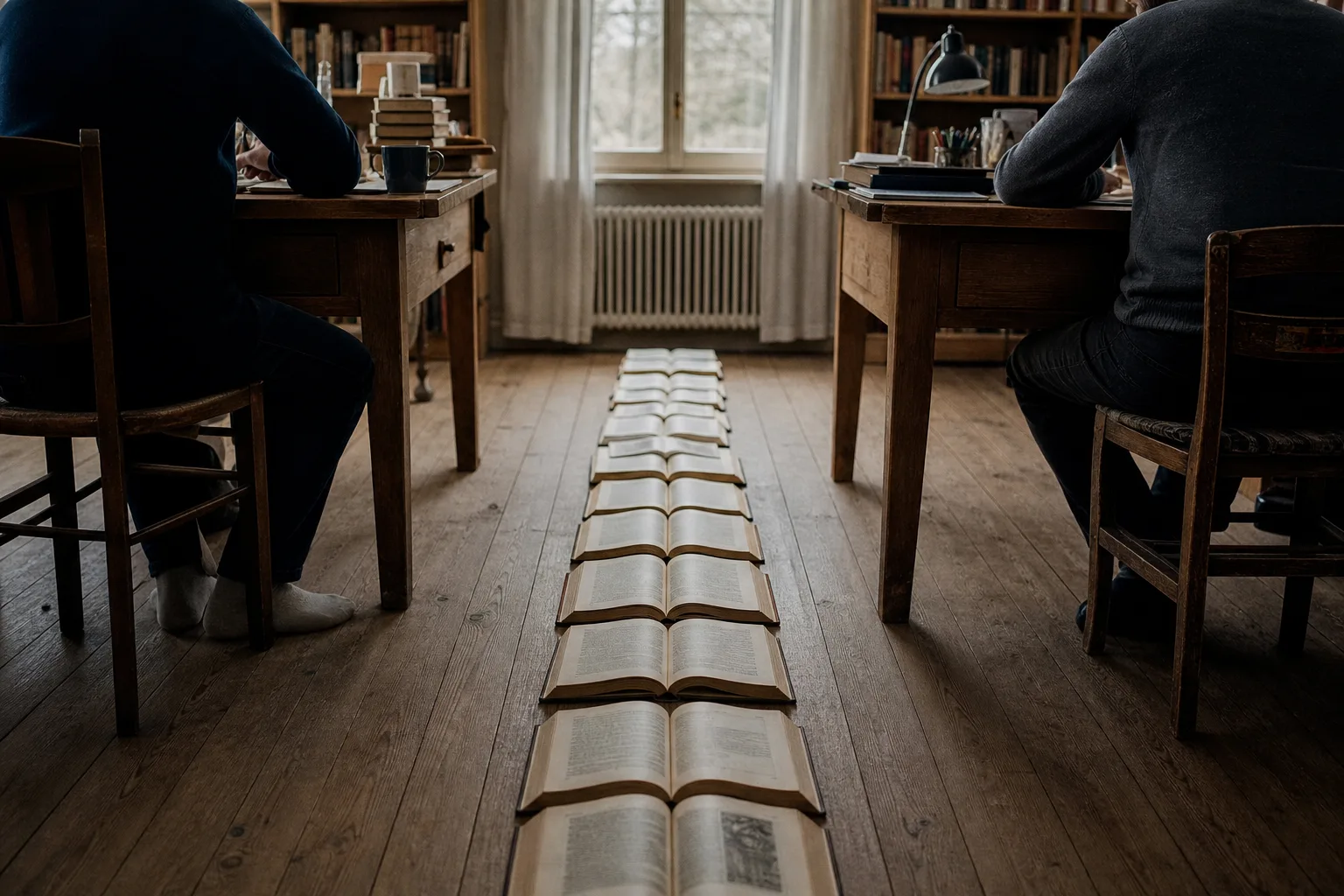
When you read Tolstoy, Murakami or Clarice Lispector in your language, someone else chose every word. Translation is the most invisible craft in literature and one of the most decisive.
To translate is to decide
There is no perfect equivalence between languages. Faced with each sentence, a translator chooses between fidelity to meaning, to rhythm or to tone. A pun, an insult or a line of verse forces reinvention.
Translations age
Originals stay; translations grow old, because the target language changes. That is why classics are retranslated every few decades, and why two editions of the same book can feel like different works.
A good translation goes unnoticed. A great one makes the book seem written in your language without ceasing to come from another.
Some names
Since 2016 the International Booker Prize has split its money equally between author and translator. Gregory Rabassa translated One Hundred Years of Solitude into English, and García Márquez said he liked that version better than the original. Edith Grossman, who translated Don Quixote, insisted that the translator's name belongs on the cover.
What you can do
Look for the name on the title page. If you enjoyed a translated book, find out what else that person has translated: it is usually an excellent lead.
An example
To see how much a translator decides, compare openings. In Kafka's The Metamorphosis, Gregor Samsa wakes up transformed into something the German calls an ungeheures Ungeziefer. English versions have made it a "gigantic insect," a "monstrous vermin" and a "horrible vermin"; some readers picture a cockroach, others a beetle. Kafka himself asked that the creature never be drawn. Each choice changes the book.