A Havana exhibition gathers Cuba's documentary memory
'Cuba in the Memory of the World' shows images of holdings listed in UNESCO's registers, from José Martí's papers to film posters.
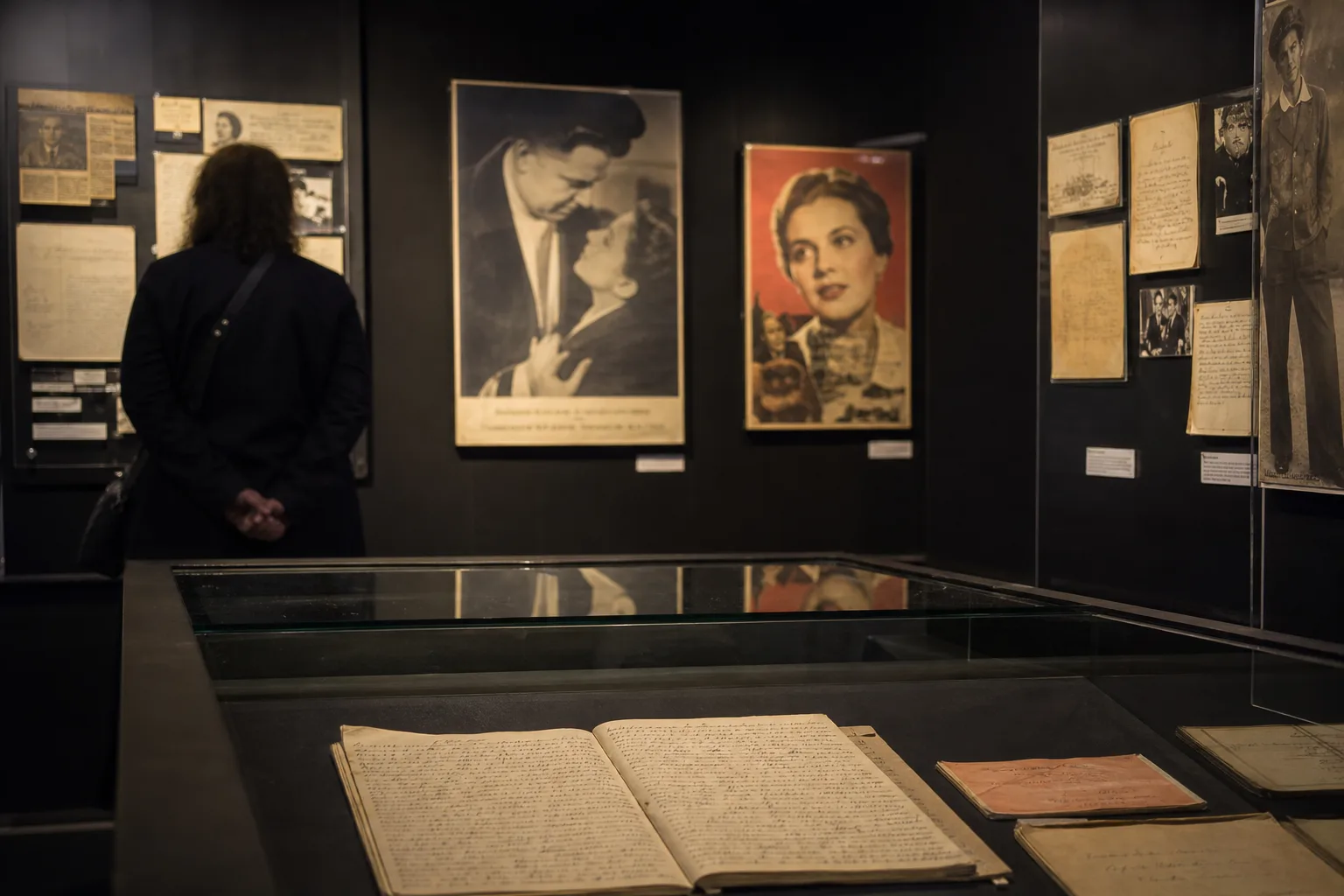
On November 3, UNESCO's Regional Office in Havana opened the exhibition Cuba en la Memoria del Mundo, which brings together images of Cuban documents, archives and collections inscribed in the program's international, regional and national registers, according to the organization.
What is on view
The inscriptions represented include the José Martí y Pérez archive, added in 2005 and Cuba's first entry in the international register; the ICAIC Latin American Newsreel; the collection of Cuban film posters; and the records of Havana's city council from 1550 to 1898.
Among the items is the so-called "lost diary" of Carlos Manuel de Céspedes.
What it is for
The Memory of the World program seeks to preserve documentary heritage and guarantee access to it. The director of the National Archive, Elvira Corbelle Sanjurjo, stressed that inscription implies a greater commitment to conservation and digitization.
What Memory of the World is
UNESCO created the Memory of the World programme in 1992 to protect documentary heritage: manuscripts, archives, maps, photographs, films and sound recordings threatened by time, climate or conflict. Its international register gathers hundreds of collections from around the planet. Inscription helps secure resources to preserve them and, increasingly, to digitize them and put them within everyone's reach.