A short history of emoji, and who decides the new ones
They began as 176 tiny drawings for Japanese mobile phones. Today a committee votes on every new one. How emoji became the world's shared alphabet.
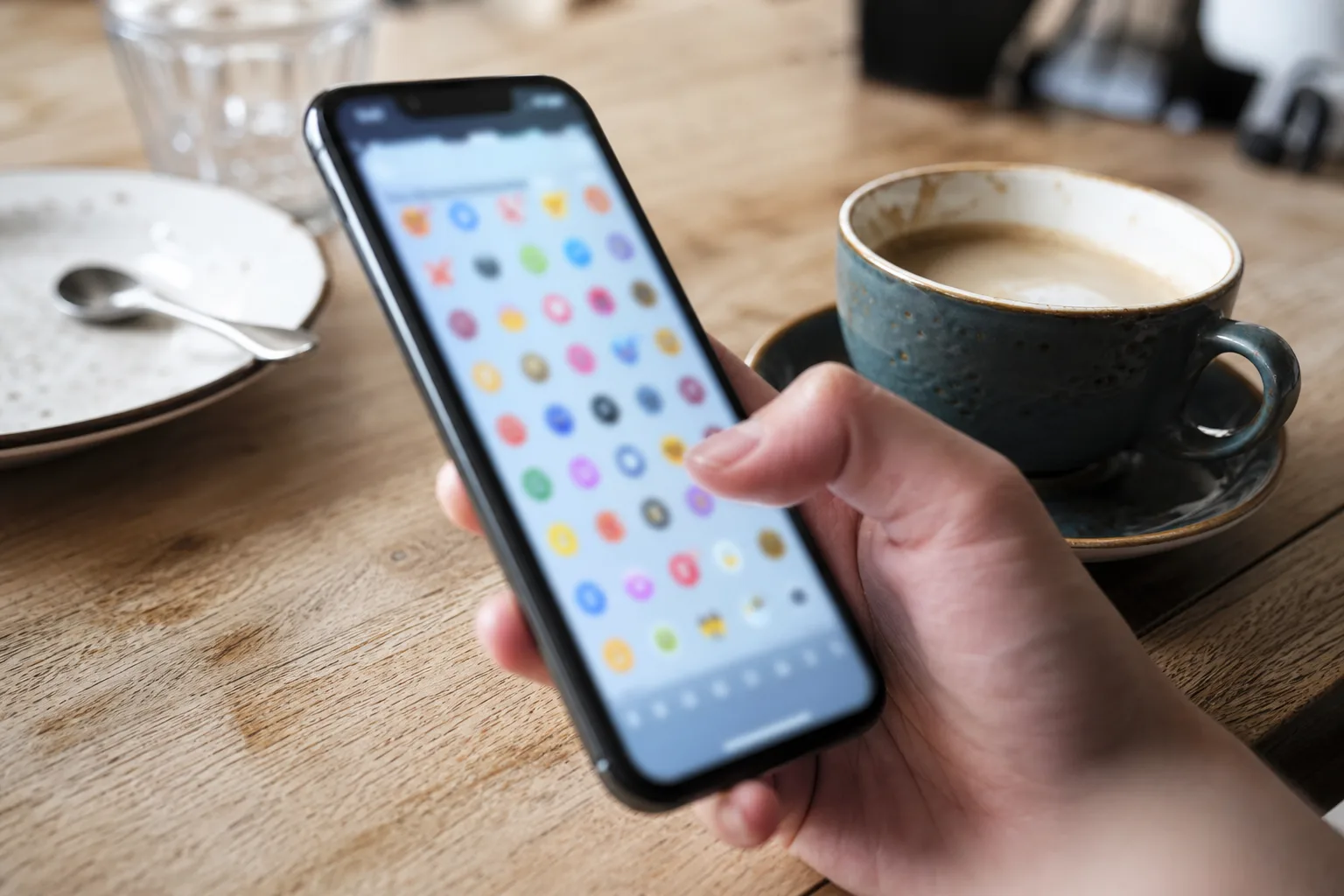
Billions are sent every day. There is one for melting, one for a mirror ball and still none for some very ordinary things. Somebody decides all this, and it is not the company that made your phone.
Born in Japan
The best known early set was designed in 1999 by Shigetaka Kurita for the Japanese phone operator NTT Docomo. It had 176 symbols, each on a grid of 12 by 12 pixels: weather, traffic signs, hearts, phases of the moon. They were meant to pack information into the tiny screens of the time.
The word has nothing to do with "emotion". It is Japanese: e, picture, and moji, character. The resemblance to the English word is a coincidence.
How they conquered the world
For ten years emoji stayed in Japan, and an emoji sent between two different operators often arrived as an empty square. The solution was a common standard. In 2010 emoji were included in Unicode, the system that gives every letter of every alphabet a number so that all devices can understand each other. A year later Apple added an emoji keyboard to iPhones worldwide, and the rest followed.
Unicode decides that an emoji exists. Each company decides what it looks like.
Who decides
The Unicode Consortium is a non-profit organization based in California. Its members include the big technology companies. Once a year it approves a list of new emoji.
Anyone can propose one. The proposal has to argue that the emoji will be widely used, that it is easy to recognize and that it is not already covered by another. Logos, brands and specific living people are not accepted. Most proposals are rejected, and from approval to your phone it takes about a year.
Why they look different on each phone
Unicode only defines a code and a short description, such as "grinning face". Apple, Google, Samsung and the rest each draw their own version. That is why the same emoji can look friendly on one phone and slightly sarcastic on another.
Some milestones
1. **2015:** skin tones arrive. That same year, Oxford Dictionaries chooses the face with tears of joy as its word of the year.
2. **2016:** the Museum of Modern Art in New York adds Kurita's original set to its collection.
3. **Every July 17:** World Emoji Day, the date shown on the calendar emoji of the iPhone.
A language?
Not quite. Emoji have no grammar, and their meanings shift between generations: the thumbs up that seems polite to one age group reads as cold to another. They work as tone of voice more than as words. They tell the reader how to take what you have just written.