Cumbia: the rhythm that crossed a whole continent
It left Colombia's Caribbean coast and now plays, with a local accent, from Mexico to Argentina.
Few musics have traveled as far as cumbia. It was born on Colombia's Caribbean coast and, in under a century, every country in Latin America made it its own.
Three roots
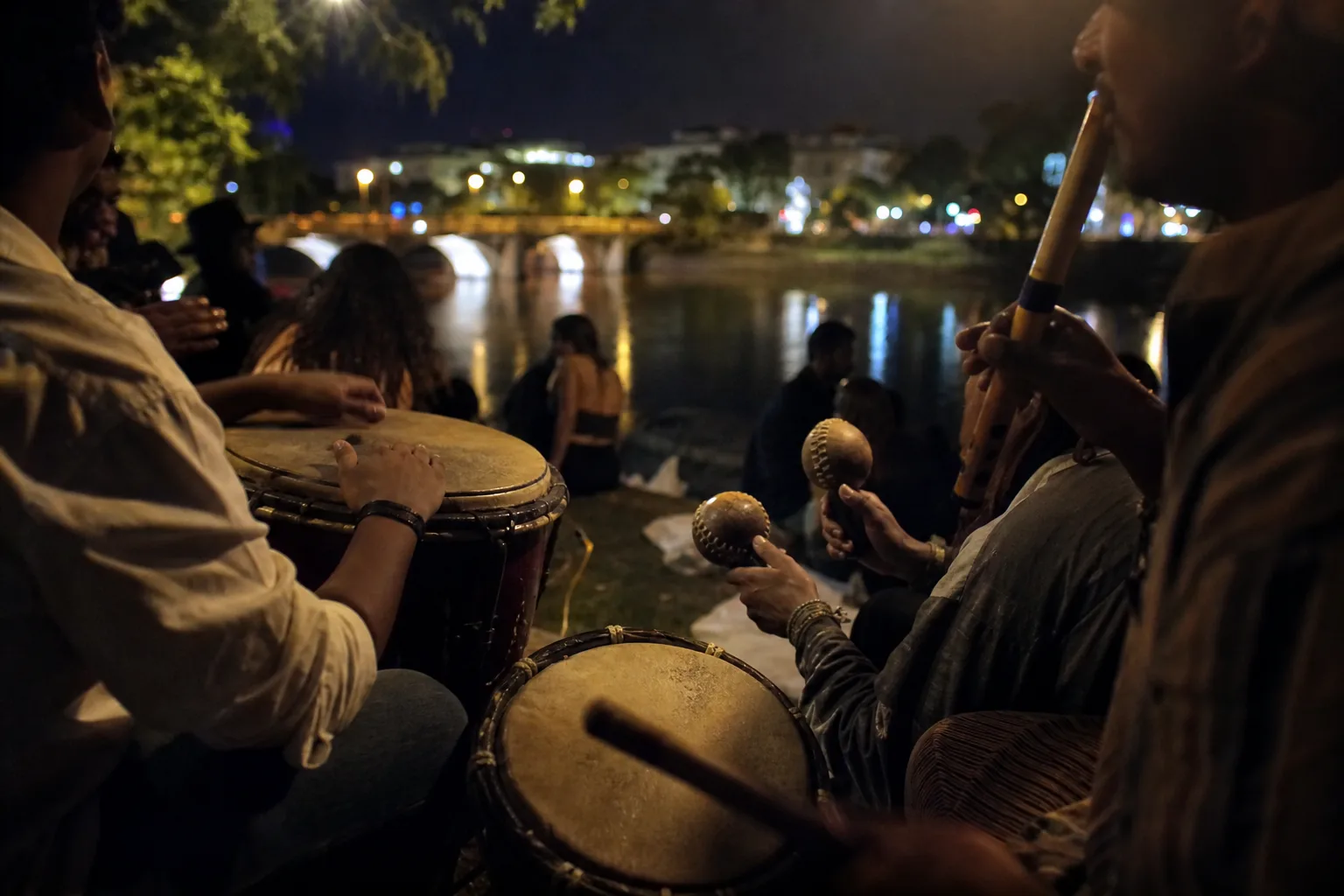
Original cumbia brings together three heritages: African drums, Indigenous gaitas and flutes, and Spanish influence in the singing and dress. It was danced in a circle, at night, with candles in hand.
From the coast to the city
In the 1940s and 50s, orchestras such as Lucho Bermúdez's dressed it in clarinets and brass and took it to the ballrooms of Bogotá and Medellín. The song "La pollera colorá" (1960) became an anthem.
Cumbia changes instruments at every border, but keeps the dragging step that gives it away.
The moves
In Mexico it met the street sound systems and gave rise to cumbia sonidera and norteña. In Peru it went electric with psychedelic guitars: chicha. In Argentina came cumbia villera, a chronicle of working-class neighborhoods. It sounds different in each place and serves the same purpose everywhere: dancing.
To listen
Totó la Momposina's recordings show the roots; compilations of 1970s Peruvian cumbia show the journey.
Why it traveled so well
Cumbia has a simple, elastic rhythm that is easy to dance to and to adapt. Each country changed the instruments and made it its own: Mexico added organ and slowed it down; Peru added electric guitars and psychedelia, and called it chicha; Argentina took it to working-class neighborhoods with keyboards. Decades on, it is still the music of popular celebrations across half a continent.