How to visit a museum without ending up exhausted
See less, sit more and skip whole rooms: practical advice for truly enjoying a big gallery.
"Museum fatigue" exists and has had a name since 1916. After forty minutes, attention drops sharply. The answer is not to push through but to change the plan.
Choose before you go in
Big museums cannot be covered: the Louvre displays about 35,000 works. Look at the map the day before and pick between five and ten pieces. Everything else will be a gift, not a duty.
Go against the flow
Crowds gather at the famous works and in the middle of the day. Go in first thing or at late openings, and start at the end of the route.
Sit down
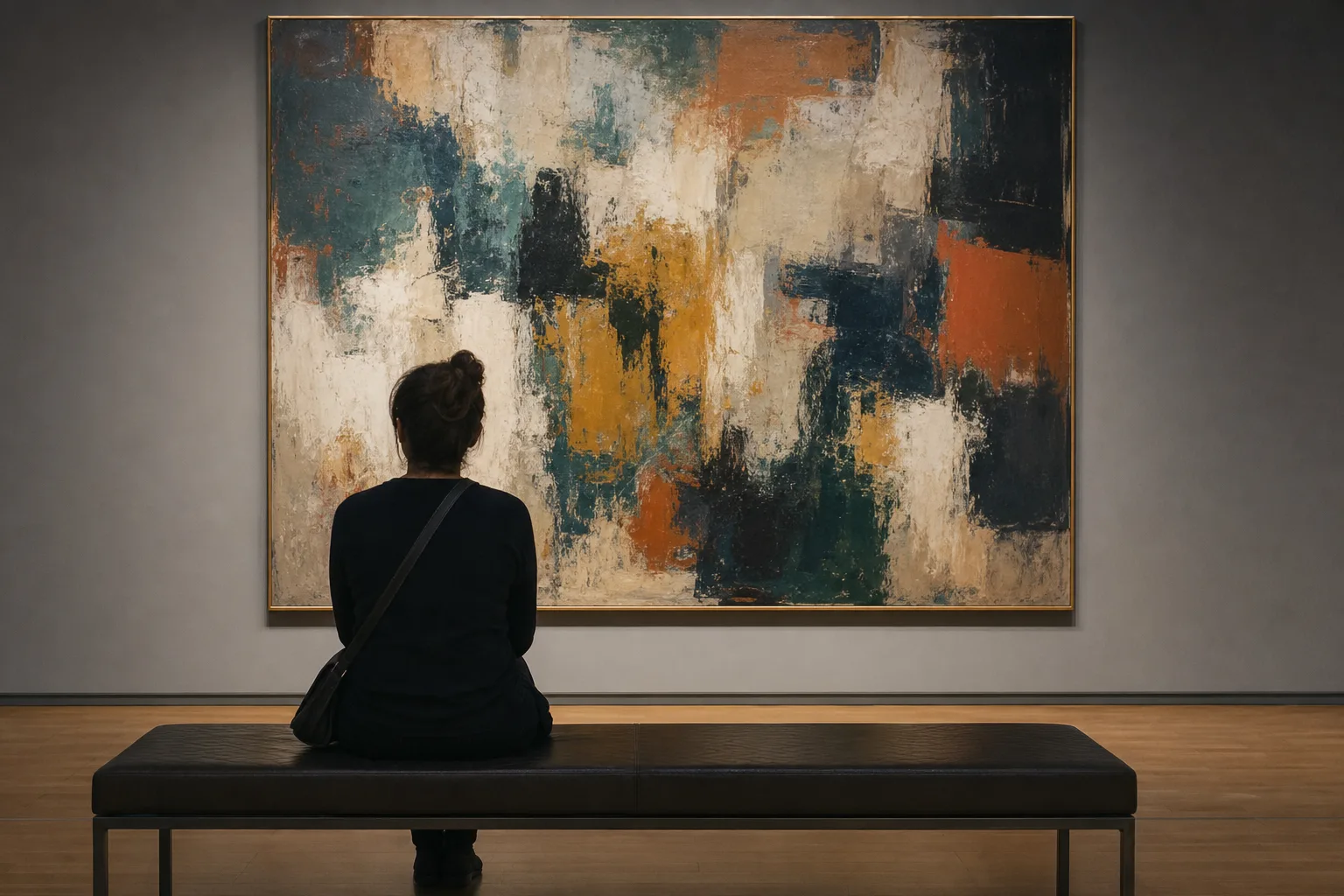
Benches are there to be used. Stay ten minutes in front of a single picture: studies say the average visitor gives each work less than half a minute. Look first, read the label afterwards.
A painting seen for ten minutes is remembered better than a hundred seen for ten seconds.
Take breaks
An hour of galleries, a coffee, another hour. Drink water. Wear comfortable shoes: marble floors are unforgiving.
Put the phone away
One souvenir photo is fine. Watching the whole visit through a screen is not.
Come back
If you live nearby or the museum has free days, short, frequent visits are the best. Nobody expects to read a library in an afternoon.
With children
A simple game: find an animal, a hat or something blue in each room.
Free, or nearly
Visiting museums need not be expensive. Many open free on certain evenings or one day a week: the Prado, for the last two hours of each day; Britain's national museums, always. Check the website before you go and book a slot if they ask. Free hours tend to be busier, so apply the main rule even more firmly: choose three or four works and give them all your time.