The hashtag: how a phone key organized the internet
One user suggested it in 2007 and Twitter thought it was too nerdy. A short history of the symbol that went from telephones to protest movements.
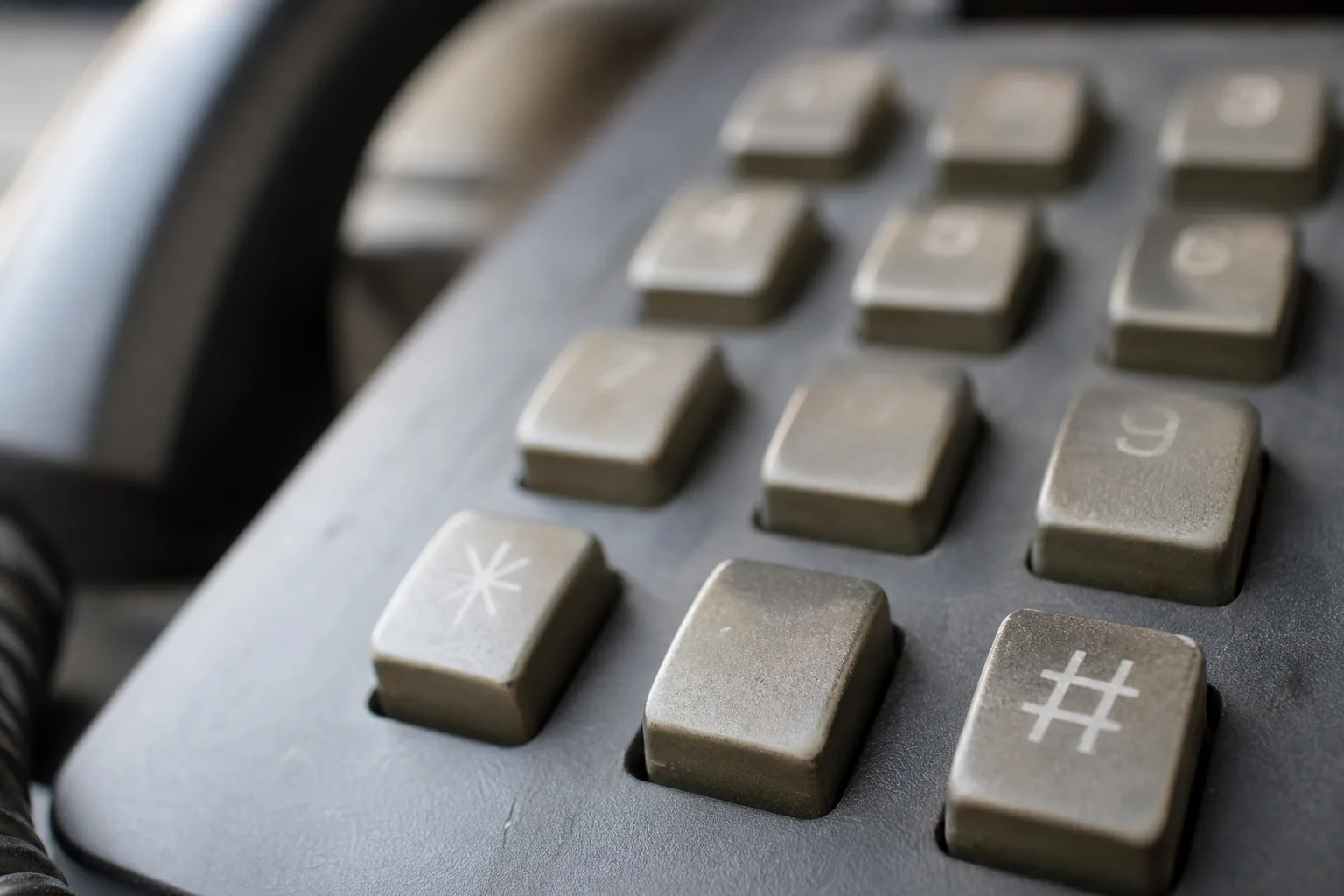
It sat in a corner of the telephone keypad for decades, with almost nothing to do. Then one message turned it into the filing system of the social internet.
A symbol with many names
The sign # is far older than computers. In the United States it is the pound sign or number sign; in Britain, the hash. When American telephone engineers added it to the keypad in the 1960s, they gave it an invented name, octothorpe, for its eight points.
Programmers used it early. On the chat networks of the 1990s, group channels had names that began with #.
The message that started it
In August 2007, Twitter was a year old and chaotic: every message went into one stream, with no way of following a subject. A user and designer named Chris Messina posted a suggestion. Why not use the pound sign to mark groups, as in #barcamp?
The company was not interested. According to Messina, he was told it was too technical for ordinary people. Users adopted it anyway.
A few weeks later, wildfires broke out near San Diego, and residents used a shared tag to exchange information about evacuations. The idea had proved its worth. Two years later Twitter turned every hashtag into a link, and other networks copied it.
Messina never patented the idea. He has said it belonged to the internet.
Nobody at the company invented the hashtag. A user proposed it, and other users made it work.
From filing system to megaphone
Putting everything about a subject in one place had a consequence nobody planned. People who did not know each other could find each other and act together.
1. **#BlackLivesMatter** appeared in 2013 and became the name of a movement.
2. **#IceBucketChallenge** raised more than a hundred million dollars for research into the disease ALS in 2014.
3. **#MeToo** spread around the world in 2017, using a phrase the activist Tarana Burke had coined years earlier.
The word "hashtag" entered the Oxford English Dictionary in 2014.
The hashtag today
Its original job has faded. Recommendation systems now decide what you see by analyzing the video itself, and platforms have said that long lists of tags do little. The hashtag survives as a label for campaigns, events and fan communities, and as a tone of voice. Adding "#blessed" to a complaint is a joke, not a search term.