UNESCO funds the safeguarding of Aymara knowledge of 'living well'
Bolivia, Chile and Peru will spend two years documenting traditional medicine and community well-being practices.
UNESCO has approved an international assistance fund of $100,000 for the fourth stage of the project to safeguard the intangible heritage of the Aymara communities of Bolivia, Chile and Peru, Bolivia's foreign ministry reported on November 13. With contributions from the three countries and the regional center CRESPIAL, the investment will come to about $250,000 over 24 months.
What will be done
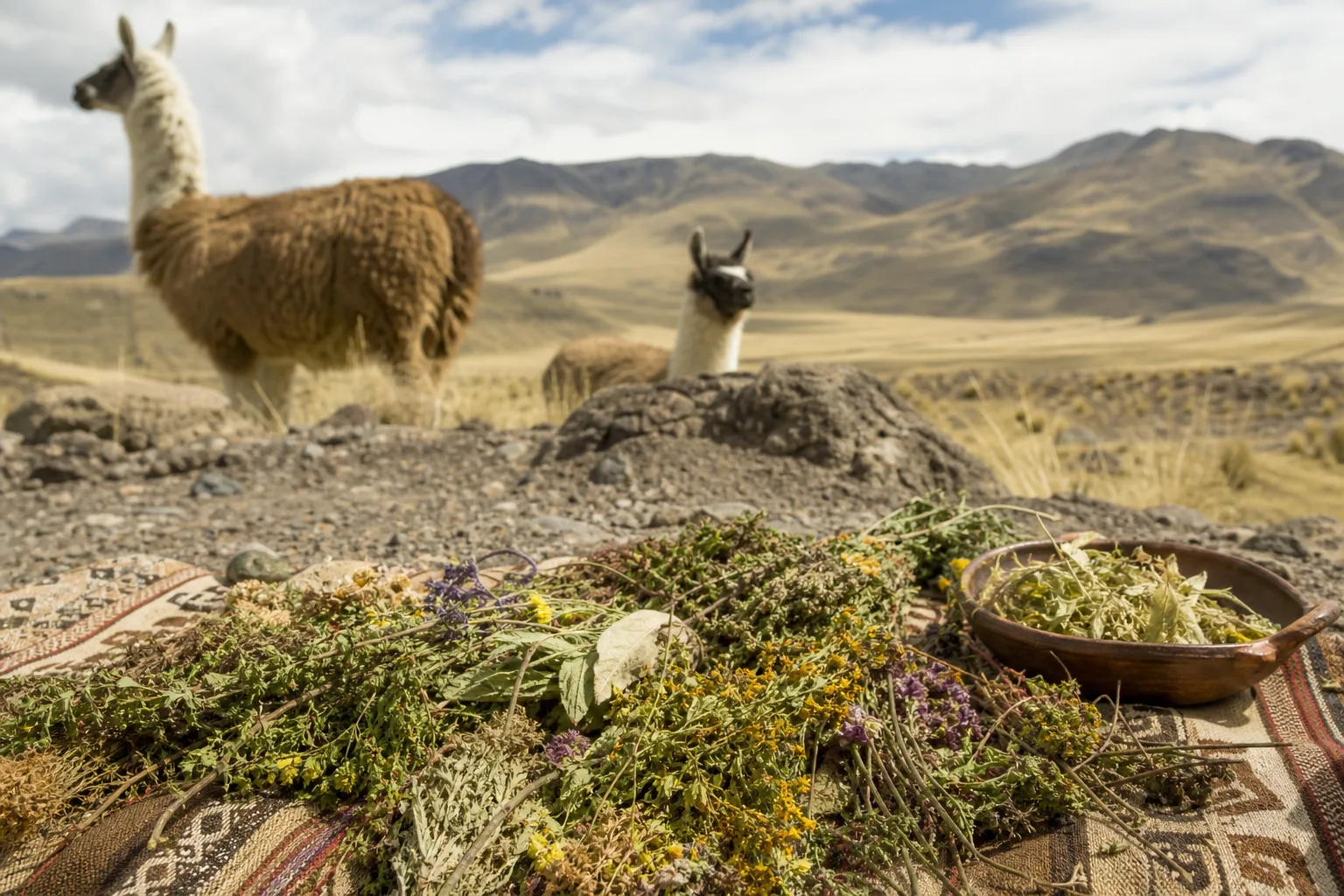
The stage is called Suma Qamaña – Suma Jakaña, living well and a healthy life. It will focus on practices, rituals and knowledge about community well-being, herbal lore and traditional medicine. Each country will produce a participatory study, a short documentary and a photographic record.
The project began in 2009 and has already documented Aymara oral tradition, music and food systems.
Where
In La Paz, Oruro and Potosí (Bolivia); Arica, Parinacota and Tarapacá (Chile); and Moquegua, Puno and Tacna (Peru).
What "living well" means
Suma qamaña, in Aymara, is usually translated as "living well." It refers not to individual prosperity but to a life in balance with the community and with nature, in which one person's well-being depends on everyone else's. The concept, shared with other Andean peoples — sumak kawsay in Quechua — was written into the constitutions of Bolivia and Ecuador.