Bolero: instructions for a love song
Born in Cuba, it came of age in Mexico and remains the most elegant way to say that something hurts.
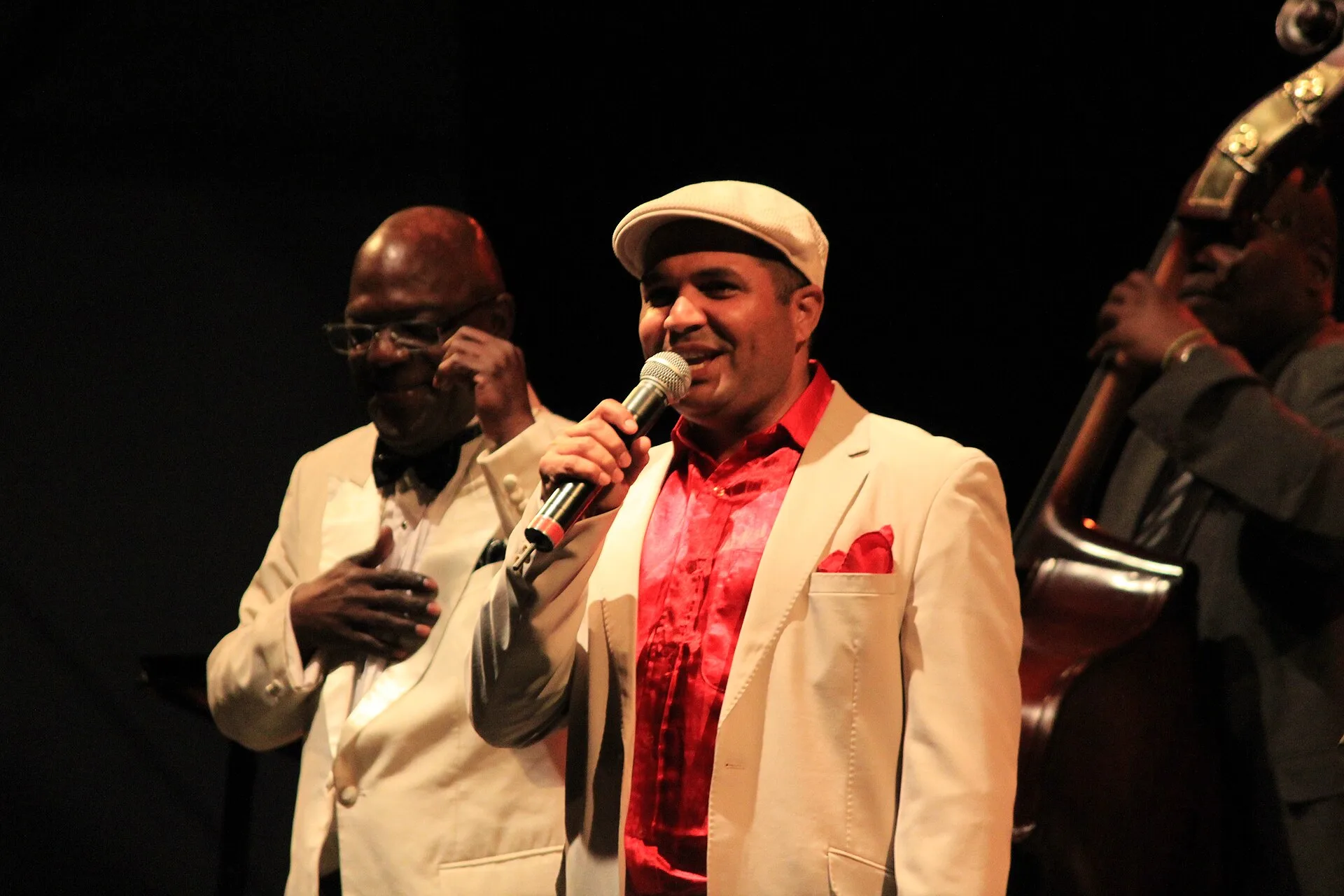
The bolero is the great romantic song of Latin America. In 2023, UNESCO added it to its intangible heritage list at the joint proposal of Cuba and Mexico, the two countries that made it grow.
The origin
The first recognized bolero is "Tristezas," composed in Santiago de Cuba by Pepe Sánchez in 1883. It was troubadour music: guitar, voice and lyrics about love.
The golden age
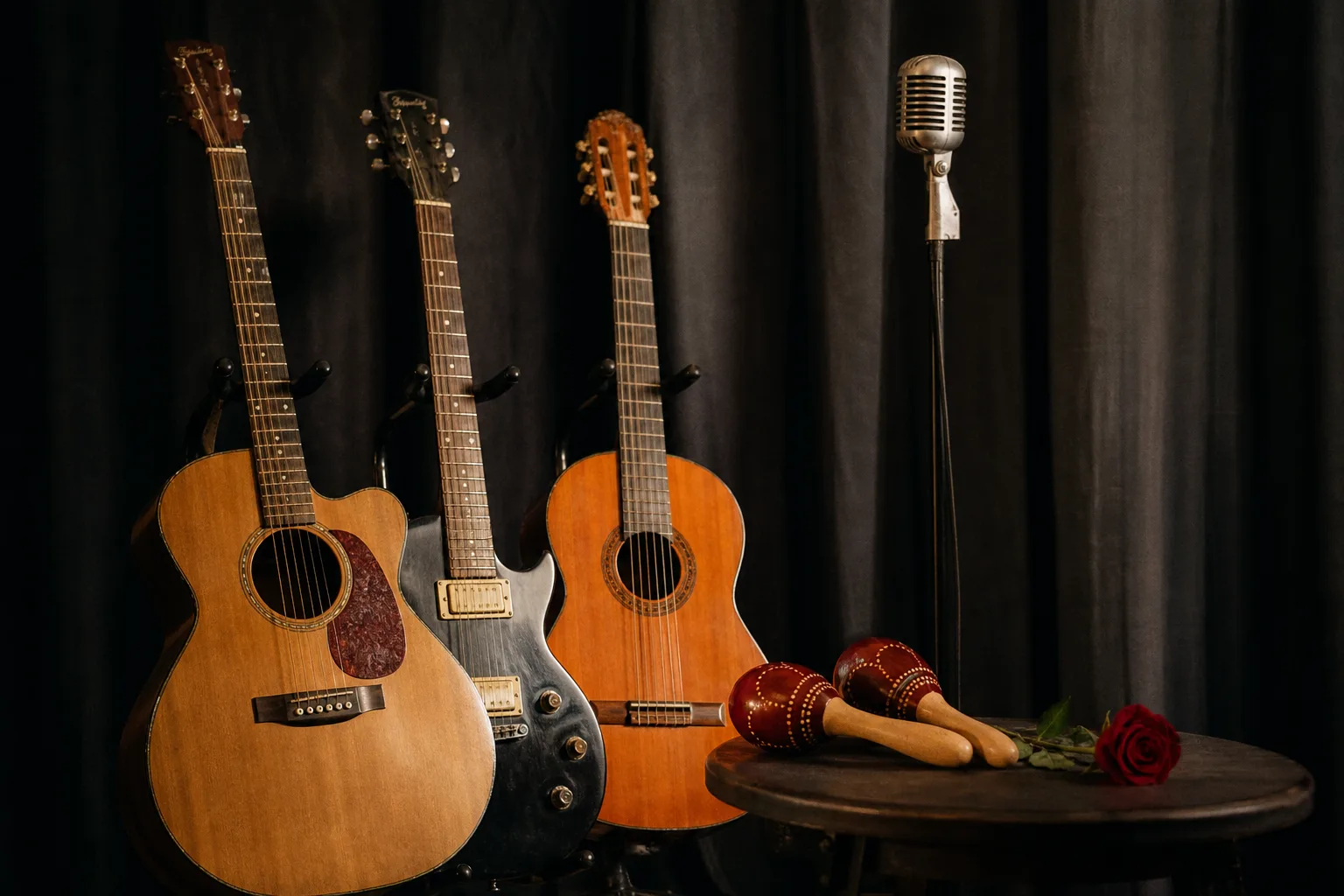
In Mexico, from the 1930s on, the bolero found radio and film. Agustín Lara wrote hundreds of songs at his piano. Then came the trios: Los Panchos, formed in New York in 1944, added the requinto, a small high-pitched guitar that became the genre's signature.
A bolero lasts three minutes and holds a whole life: the meeting, the promise and the goodbye.
The songs
"Bésame mucho," written by Mexico's Consuelo Velázquez in 1940, is one of the most recorded songs in the world. "Sabor a mí," "Contigo en la distancia" and "La barca" round out any repertoire.
The comeback
In 1991, Luis Miguel released Romance and put the bolero back on the charts. Today artists of every genre sing it, because no other form says certain things better.
How it is danced
Bolero is danced slowly and very close, almost without traveling: a couple of side steps and a pause. It demands not technique but listening. That is why for decades it was the music of first slow dances and of serenades under the window. In 2023, UNESCO inscribed the bolero of Cuba and Mexico on its list of Intangible Cultural Heritage.