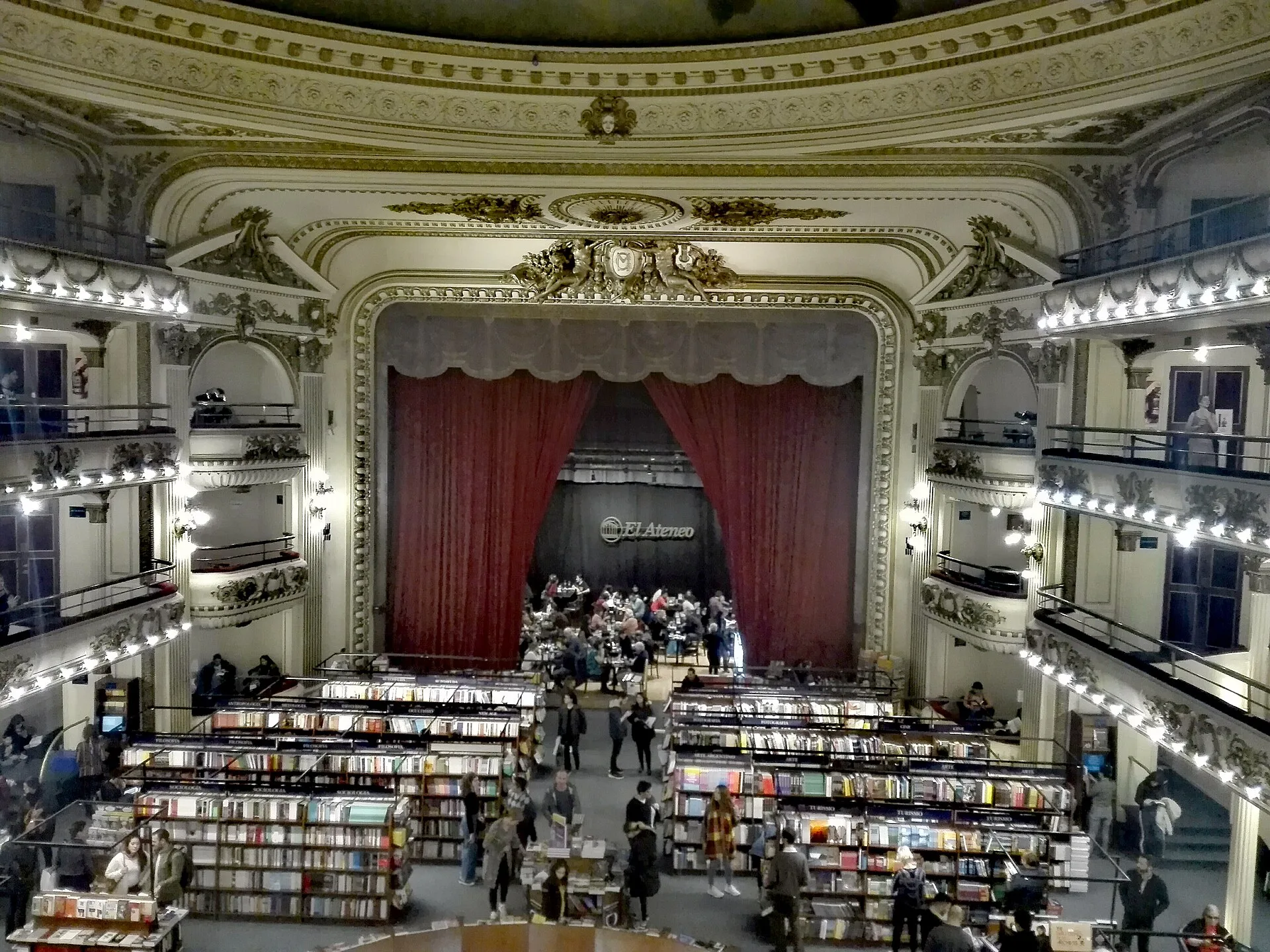
Borges: five stories to start with
Labyrinths, mirrors and infinite libraries in texts of a few pages. A way into the Argentine writer.

Jorge Luis Borges (1899–1986) never wrote a novel. His work is made of short stories, essays and brief poems, and yet it changed 20th-century literature. These five stories, from Ficciones (1944) and The Aleph (1949), are a good beginning.
The Library of Babel
The universe is a library of hexagonal galleries containing every possible book. Most are unreadable. The truth sits on some shelf, but nobody knows which.
The Garden of Forking Paths
A spy story that hides an infinite novel in which every outcome happens at once. It anticipated the idea of parallel universes by decades.
Borges wrote stories like someone posing a logic problem and solving it with a poem.
Funes the Memorious
After an accident, a young Uruguayan remembers absolutely everything. He discovers he cannot think, because to think is to forget differences.
The South
A convalescent librarian travels to the plains and accepts a knife duel. Borges considered it perhaps his best story.
The Aleph
In the cellar of a Buenos Aires house there is a point that contains every point in the universe. The story is also a love story and a mockery of vain poets.
How to read him
Slowly and twice. They are short, and the second reading is always a different one.
Which book to buy
To read these stories you need only two short volumes: Ficciones (1944) and The Aleph (1949). The essential Borges is there. If you want more, The Book of Sand gathers late stories, simpler in form. And anyone who prefers to start with essays can try Other Inquisitions. None runs past two hundred pages: Borges never wrote a novel, convinced that almost everything can be told in a few.