How to read 'One Hundred Years of Solitude' without getting lost among the Buendías
Seven generations, many Aurelianos and a town called Macondo: practical advice for García Márquez's novel.
Review · BookOne Hundred Years of Solitude★★★★★
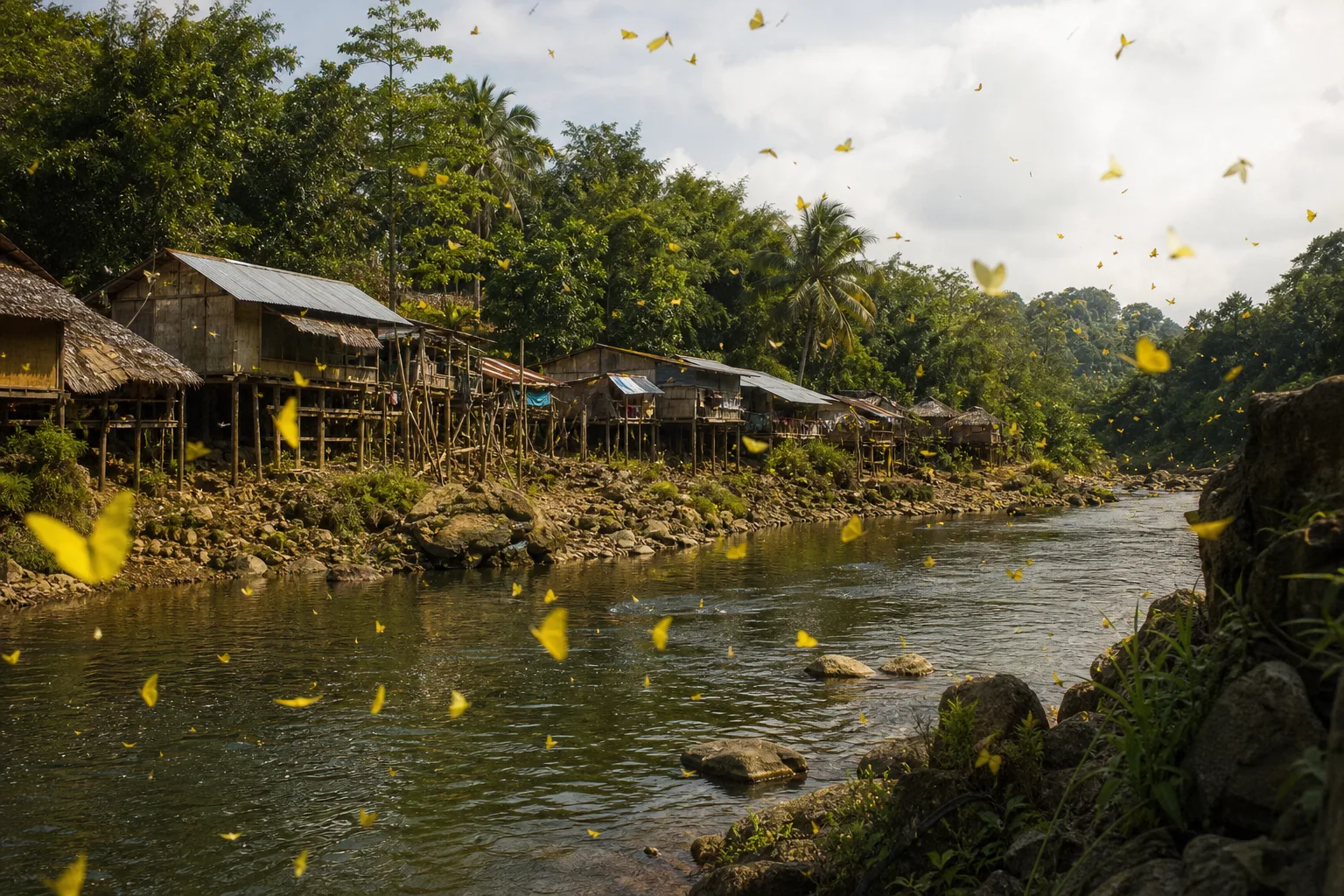
One Hundred Years of Solitude was published in Buenos Aires in 1967 and changed literature in Spanish. It tells the story of the Buendía family and the town of Macondo, from its founding to its disappearance. Many people start it and give up for the same reason: the names.
The trick with the names
In the family, the José Arcadios tend to be impulsive, heavily built and enterprising; the Aurelianos, withdrawn, lucid and solitary. Remember that rule and you will almost always know who is who. Keeping a family tree at hand is not cheating either: many editions include one.
Don't look for an explanation
In Macondo it rains for more than four years, a young woman rises to heaven among bedsheets and the dead hold conversations. The narrator tells it all in the same calm tone. That is magical realism: the extraordinary treated as everyday.
García Márquez said he found the novel's tone by remembering how his grandmother told the most incredible things without changing her expression.
A rhythm
Read in long stretches. The novel works by accumulation, like a river; in small doses you lose the thread.
What lies beneath
Civil wars, the arrival of a banana company, a massacre the town forgets: the history of Colombia and Latin America is there, told as a family myth.
The verdict
Five stars. It is one of those novels that live up to their fame: funny, sad and overflowing all at once. The first fifty pages ask for a little faith; after that, the book carries you along. Its opening sentence, with Colonel Aureliano Buendía facing the firing squad, is among the most quoted in literature. And its last page is one of the few that truly close everything the novel has opened.