How to read 'Don Quixote' and enjoy it
It runs past a thousand pages and four centuries, but it is above all a funny book. Some ideas for not giving up.
Review · BookDon Quixote★★★★★
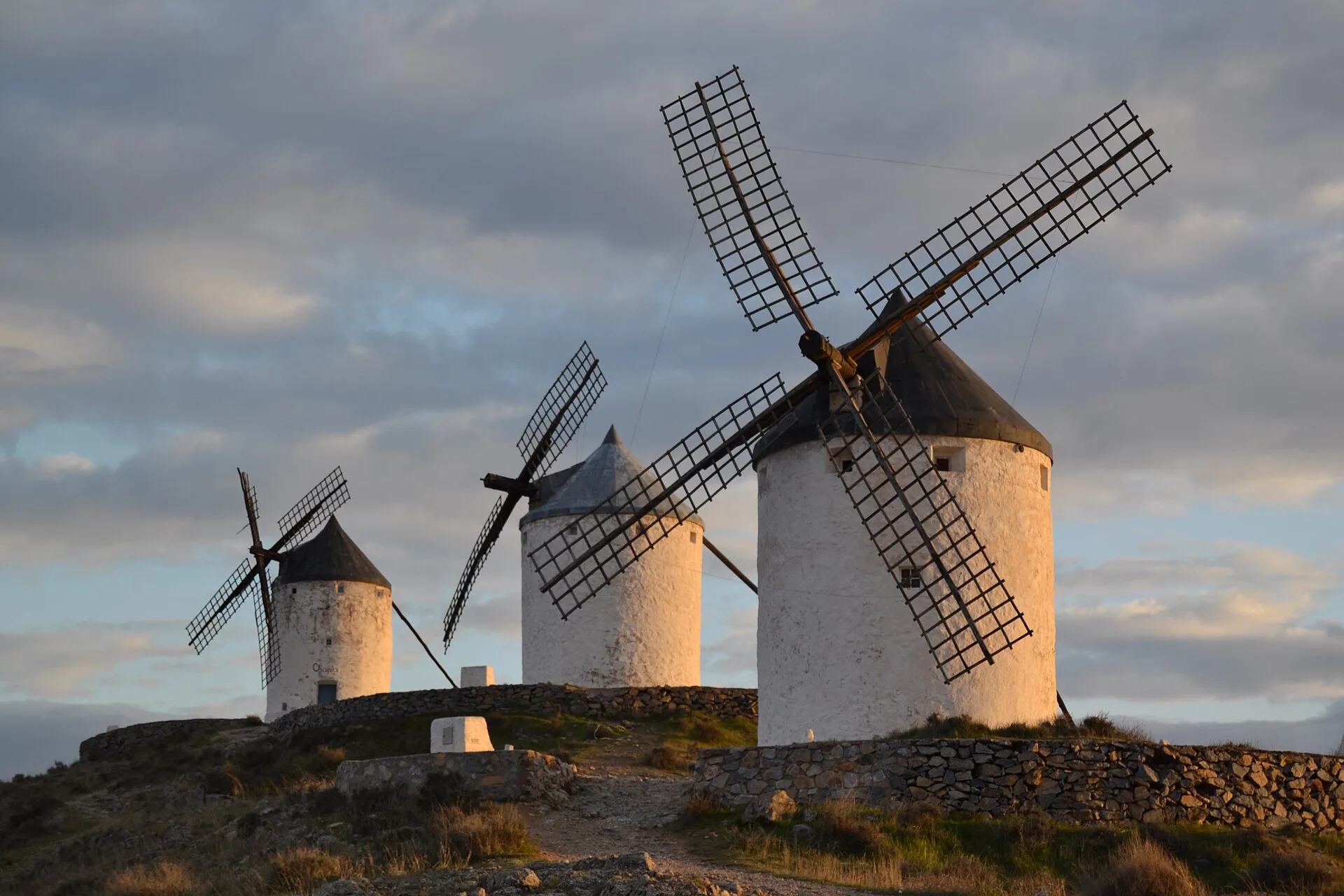
Everyone knows the gentleman who mistakes windmills for giants. Fewer people have read the book. That is a pity, because Don Quixote is a comedy before it is a monument.
Two books in one
Cervantes published the first part in 1605 and the second in 1615. In between, a fake sequel appeared, signed by a certain Avellaneda, and Cervantes answered inside his own novel: in part two, the characters have read part one and know they are famous.
Choose your edition well
In Spanish, an edition with modernized spelling and short footnotes solves almost every doubt; in English, Edith Grossman's 2003 translation is clear and lively, and John Rutherford's is a fine alternative.
You start out laughing at Don Quixote. About halfway through, without noticing, you are on his side.
Skip what you like
The first part includes inserted tales that have nothing to do with the plot. You can leave them for another time without guilt.
Listen to the conversation
The best of the book is the dialogue between Don Quixote and Sancho Panza: one talks like books, the other in proverbs. Along the road, each grows more like the other.
A possible pace
Two or three chapters a day. They are short, and almost all of them end leaving you wanting more.
The verdict
Five stars. Four centuries on, it is still a very funny book, and a good deal more modern than its reputation as a monument suggests: it mocks itself, mixes genres and lets dozens of voices speak. What begins as a parody of chivalric romances ends up being the story of a friendship. Few endings move the reader as much as the farewell between the knight and his squire.