Four classics for taking science fiction seriously
M. John Harrison's Booker reopens an old debate. These novels show the genre was always literature.
On winning the Booker, M. John Harrison celebrated the end of genres as "fences and boxes." Science fiction has spent two centuries proving it can be great literature. Four examples.
Frankenstein (1818), Mary Shelley
Written by a nineteen-year-old, it is often considered the first science fiction novel. It is not about a monster but about the responsibility of someone who creates something and abandons it.
Solaris (1961), Stanisław Lem
Scientists orbit a planet covered by an ocean that seems to think. The ocean sends back, made flesh, their most painful memories. It is a novel about the limits of what we can understand.
Good science fiction does not predict the future: it uses the future to look at the present from far away.
The Left Hand of Darkness (1969), Ursula K. Le Guin
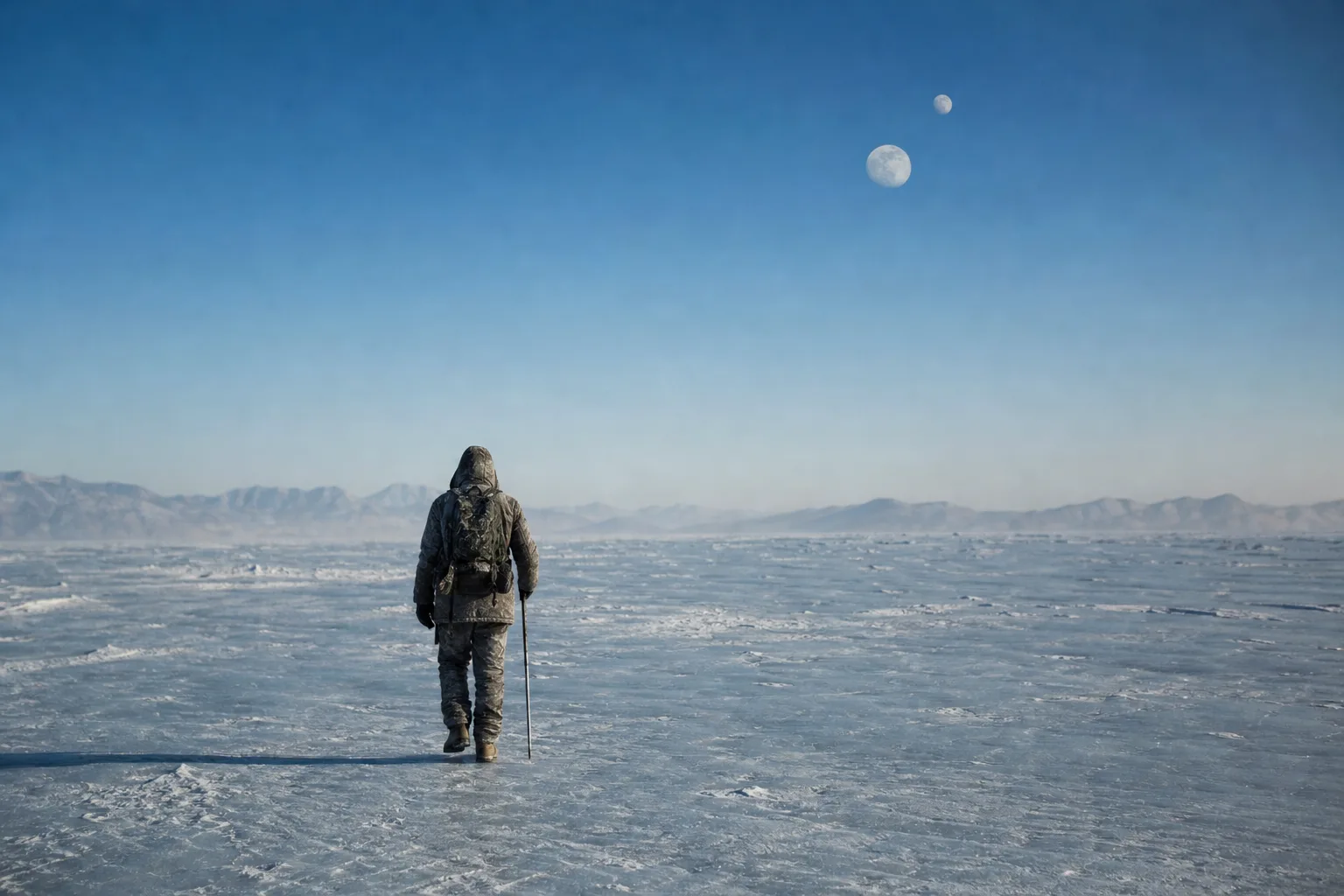
An envoy arrives on a frozen planet whose inhabitants have no fixed sex. Le Guin, the daughter of anthropologists, imagines what a society without that division would be like.
Kindred (1979), Octavia E. Butler
A Black writer from Los Angeles is dragged again and again to the slaveholding Maryland of 1815. Time travel here is a way to feel history in the body.
And in Spanish
The Invention of Morel (1940), by Adolfo Bioy Casares: an island, a machine and an impossible love. Borges called it perfect.
Why read science fiction
Good science fiction is not about the future but about the present seen from a distance. It changes a single condition — a technology, a planet, a social rule — and watches what happens to people. That is why these books do not age even when their machines do. Ursula K. Le Guin put it this way: science fiction is not predictive, it is descriptive. Reading it is a way of thinking with the imagination.