Film noir: shadows, blinds and bad decisions
What film noir is, where it came from and three films to recognize it at first sight.
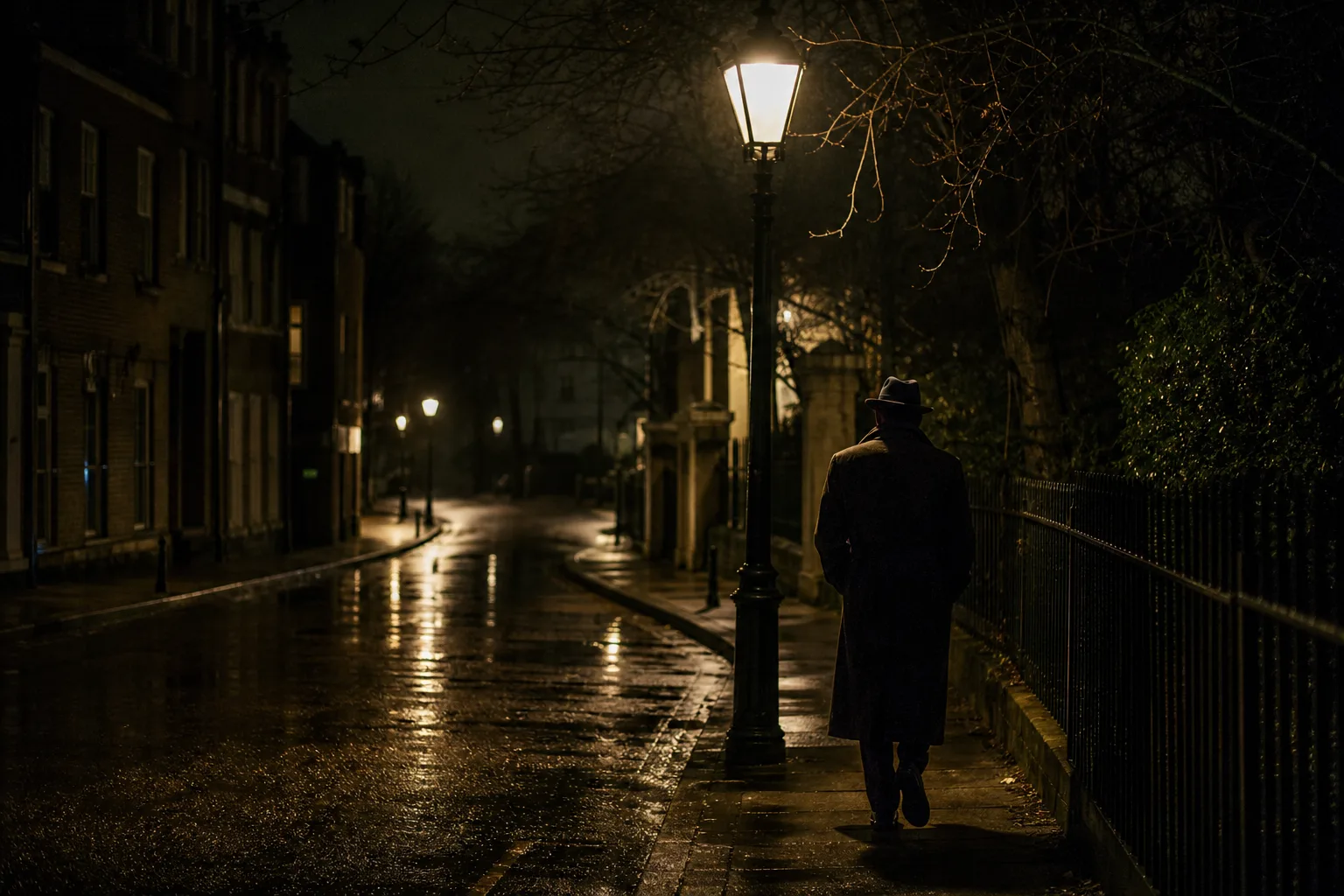
Film noir is not exactly a genre but a tone. French critics named it in 1946, when they discovered all at once the American films they had been unable to see during the war: they were darker, more cynical and sadder.
The ingredients
A tired detective or an ordinary man who makes one bad decision. A woman who knows more than she says. A city at night, in the rain. And high-contrast photography, inherited from the German expressionism that many émigré directors brought to Hollywood.
In film noir nobody is entirely innocent, and the light always comes striped through the blinds.
Three titles
The Maltese Falcon (1941), by John Huston, fixed the figure of the detective with Humphrey Bogart. Double Indemnity (1944), by Billy Wilder, tells of a crime for money and desire, narrated by the culprit himself. Sunset Boulevard (1950), also by Wilder, opens with a corpse in a swimming pool explaining how it got there.
The legacy
Noir never left. It is in Chinatown, in Blade Runner, in much of today's Korean cinema and in any series where a character says in a tired voice that it all started with a phone call.
Where the name comes from
None of its directors knew they were making "film noir." The label was coined in 1946 by French critics who, after the war, saw several American films at once that had not been able to reach Europe and noticed a shared tone in them, dark and pessimistic. Behind many of them were émigré European filmmakers — Fritz Lang, Billy Wilder, Robert Siodmak — who brought the shadows of German Expressionism to Hollywood.