How Michelin stars work, in the middle of ceremony season
Switzerland and Italy already know their new selections and Spain awaits its own on December 1. What each star means and who decides.
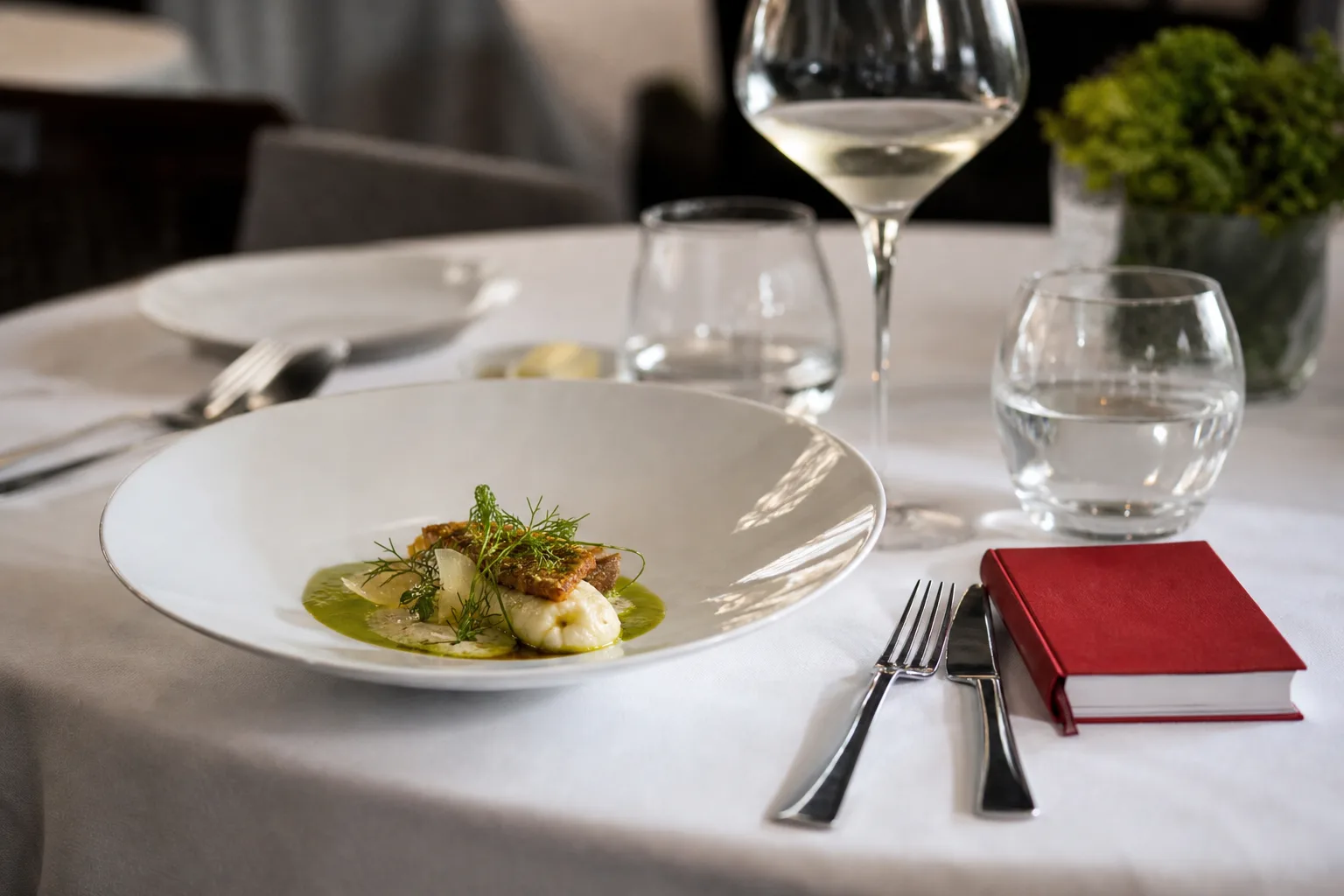
November is the month the Michelin Guide spreads nerves across half of Europe. Switzerland's selection was announced on November 2 and Italy's on the 12th, and the ceremony for Spain and Andorra, first scheduled for November 24, has been moved to December 1 in Huesca because of Spain's general election on November 29. A good moment to recall how it works.
The season so far
In Switzerland, the ceremony in Andermatt brought a new three-star restaurant, The Japanese Restaurant at The Chedi Andermatt, raising the country's total at the top level to five. Italy presented its selection at the Teatro Municipale in Piacenza: 382 starred restaurants, three new two-star addresses and 24 new one-stars, but no new three-star restaurant, and two fewer at the top than the year before, with thirteen in total. Spain's gala will be held for the first time in Huesca, at the city's conference center, and the dinner will be coordinated by the chef Carmelo Bosque.
From tires to the table
The Michelin brothers published their first guide in 1900 to encourage French drivers to travel (and wear out tires). Stars arrived in 1926 and the system of one, two and three in the 1930s.
The first guides were given away free and included maps, instructions for changing a tire and lists of mechanics. Restaurants were a small part at first; over time they became the reason people bought it. The guide now covers dozens of countries and, in recent years, has expanded with selections for cities and regions that pay to host it, a practice that has drawn some criticism.
What each one means
One star: high-quality cooking, worth a stop. Two: excellent cooking, worth a detour. Three: exceptional cuisine, worth a special journey. The definitions still talk like a road map.
The star is awarded to the restaurant, not the chef, and has to be earned again every year.
Who decides
Anonymous inspectors, employed by the guide, who book under false names and pay their bill. They judge only the plate: ingredients, technique, harmony of flavors, the chef's personality and consistency. Decor and service do not count toward a star.
Most inspectors come from the restaurant or hotel trade and spend much of the year traveling. A restaurant is visited several times before it gains or loses a star, and the final decisions are made collectively at meetings of inspectors and the guide's management. Chefs often learn the result at the ceremony itself, which explains the emotion of these galas.
Other distinctions
The Bib Gourmand marks good cooking at moderate prices, and the green star a commitment to sustainability. To eat well without going broke, the Bib is usually the best lead.
The green star, introduced in 2020, recognizes restaurants that work with local producers, reduce waste or manage their energy responsibly, and it can go to a starred restaurant or to one without stars. The guide also includes many recommended restaurants with no distinction at all: being listed is already a sign of quality.
The pressure of a star
Gaining a star can transform a restaurant's business, with full bookings for months. Losing it can be a heavy blow, and some chefs have spoken openly about the stress of being judged year after year. A few have even asked to be left out of the guide in order to cook more freely. For the diner, it is a reminder that a star is a good guide, not a guarantee of personal taste.
For the diner
A star does not mean spending a fortune. Many starred restaurants offer a lunch menu considerably cheaper than dinner, and the Bib Gourmand category points to places with good cooking at moderate prices. Book weeks ahead, mention allergies when you do and do not worry about protocol: the service at a good restaurant is there to make you comfortable, not to examine you.