How to choose a wine without knowing about wine
Four facts on the label, one question in the shop and the certainty that price is not everything.
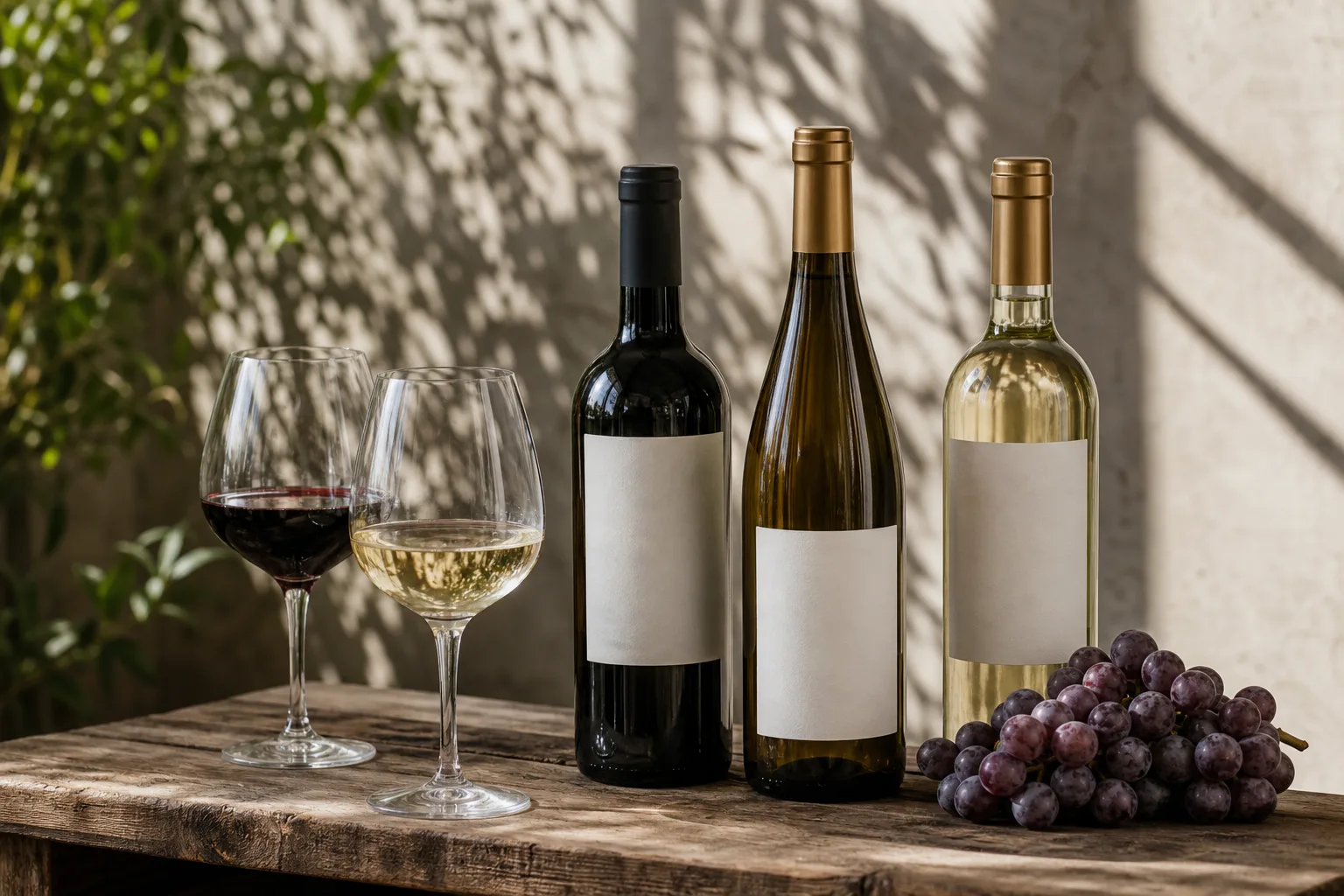
Faced with a shelf of wines, many people choose by the picture on the label. It is not a bad method, but there are better ones that are almost as quick.
You do not need to memorize regions or learn tasting vocabulary. Four pieces of information on the label, one conversation in the shop and a couple of habits at home are enough to get it right far more often. Here they are.
What to look for on the label
The grape. It defines the flavor more than anything. Light reds: pinot noir, young garnacha, mencía. Full-bodied reds: cabernet sauvignon, malbec, syrah, oak-aged tempranillo. Fresh whites: albariño, sauvignon blanc, verdejo. Richer whites: oaked chardonnay.
The region. In Europe, many labels give the region instead of the grape: a Rioja is usually tempranillo; a Chablis, chardonnay.
Wines from Argentina, Chile, Australia or the United States usually put the grape in large letters, which makes them easier to read for beginners. European wines rely more on the name of the place, because their rules often fix which grapes can be used there. If you find a European region you like, try its neighbors: nearby areas tend to share grapes and style.
The vintage. For most everyday wines, the more recent the better, especially whites and rosés.
The alcohol. Below 12.5% it tends to be light; above 14%, powerful.
The best wine is the one you like, at a price you can repeat.
Spanish terms
Joven: no time in barrel, fruity. Crianza and reserva: time in oak and bottle, with notes of vanilla and spice.
The exact rules depend on each region. In Rioja, for example, a red crianza must age at least two years, one of them in barrel; a reserva, at least three, with at least one in barrel; and a gran reserva, at least five, with two in barrel. Older does not always mean better: it means a different style, softer and with more notes of wood and dried fruit. Many people prefer a good joven or crianza for everyday meals.
Bubbles
Sparkling wine follows the same logic. Champagne and Spanish cava are made by the traditional method, with a second fermentation in the bottle that gives fine bubbles and notes of bread. Prosecco ferments in large tanks and is fresher and fruitier. On the label, brut means dry and brut nature even drier; demi-sec is noticeably sweet.
Ask
In a specialist shop, say three things: how much you want to spend, what you are going to eat and a wine you have liked. With that they almost always get it right.
Do not be shy about naming a modest budget: a good wine shop is proud of finding value at any price. And keep a note, on paper or in a photo, of the bottles you liked. After a few months you will have your own map, and you will start to see patterns in what you enjoy.
With food
A simple rule: light dishes, light wines; hearty dishes, full-bodied wines. And what grows together usually goes together.
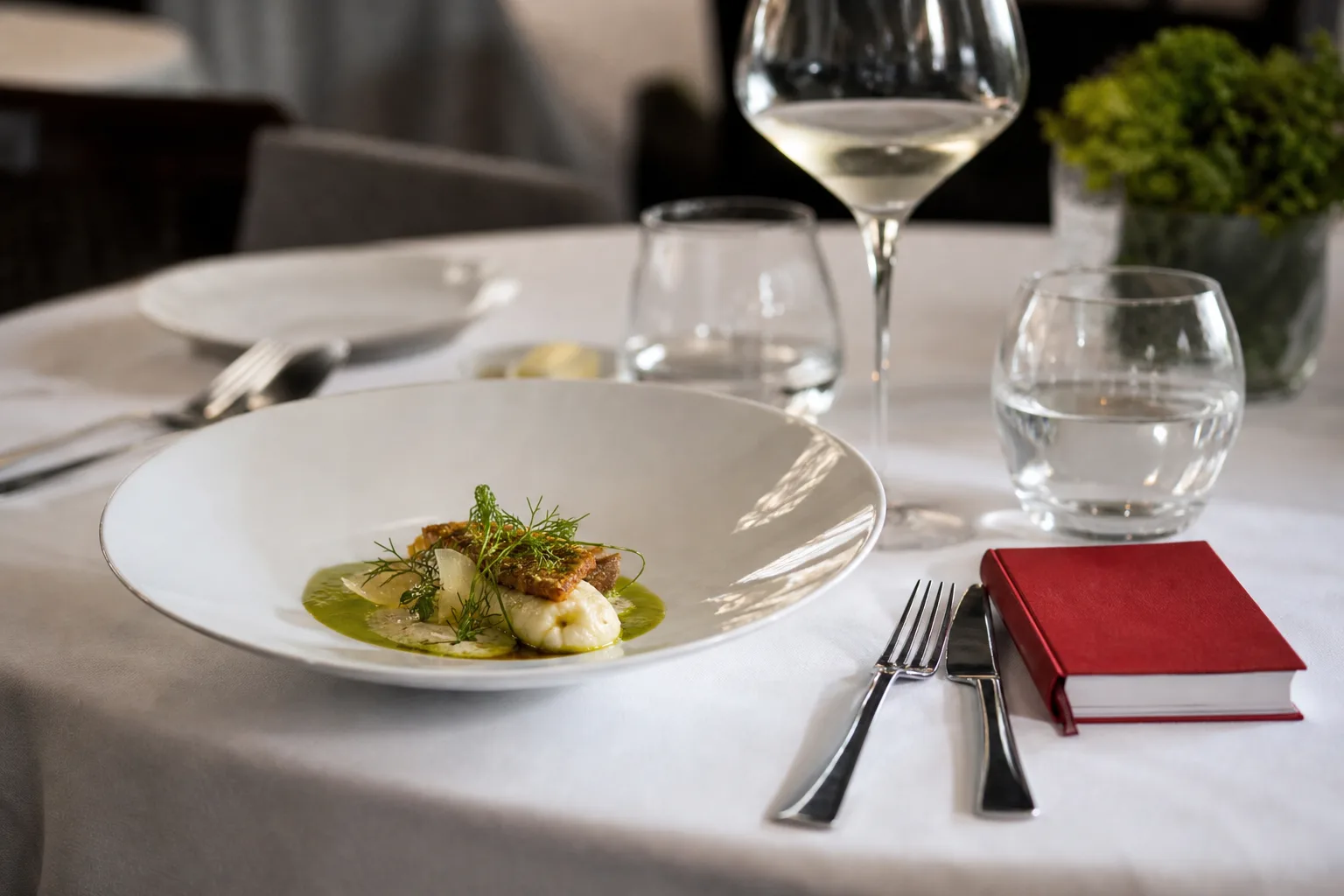
Some combinations work almost every time: a fresh white with seafood, a light red with roast chicken or mushrooms, a full-bodied red with grilled meat or stews. Spicy food tends to go better with a white that has a touch of sweetness than with a powerful red, which makes the heat stronger. When in doubt, a dry rosé or a sparkling wine goes with almost anything.
Temperature and serving
Serving wine at the right temperature improves it more than spending twice as much. Reds are usually drunk too warm: the famous "room temperature" referred to houses without heating, at around 16 to 18 degrees Celsius (61 to 64°F). Twenty minutes in the fridge does them good. Whites and rosés, on the other hand, lose aroma when ice cold: take them out of the fridge a little while before serving.
Use a glass with room for the wine to move, fill it only to a third and hold it by the stem so your hand does not warm it. A screw cap is not a sign of poor quality: many very good wines use it. If a wine smells of damp cardboard or a musty cellar, it may be corked: in a restaurant, you can ask for another bottle. And if there is wine left over, close the bottle and keep it in the fridge; most will hold up for two or three days. Always in moderation.