Tequila and mezcal: how they are alike and how they differ
Both come from agave, but not the same one, nor are they cooked alike, nor do they taste the same. A guide to ordering wisely.
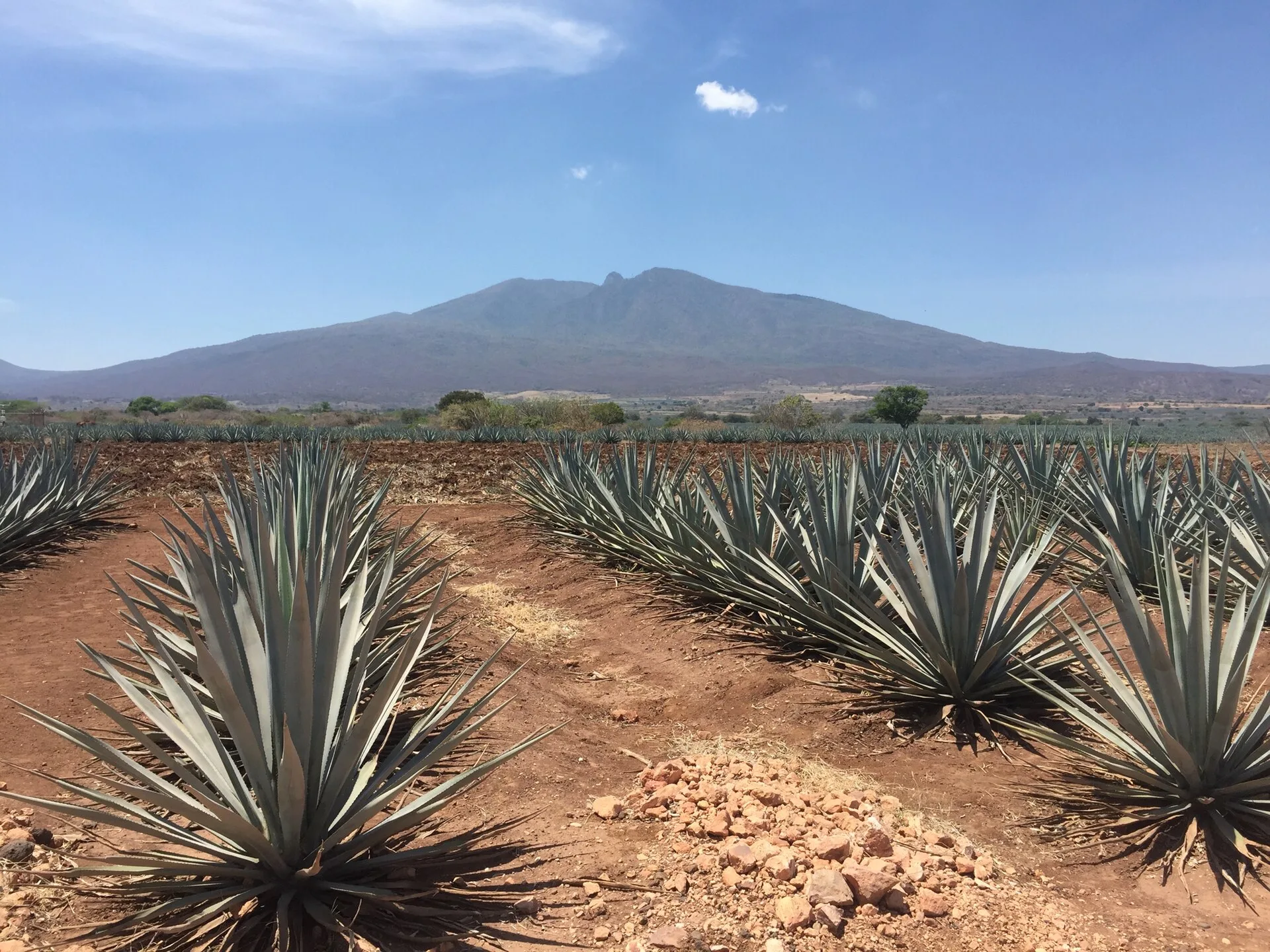
They say all tequila is a mezcal, but not all mezcal is tequila. It is a good place to start: mezcal comes from Nahuatl and means, roughly, "cooked agave."
The plant
Tequila can be made from one species only: blue agave (Agave tequilana Weber). Mezcal allows dozens. The most common is espadín, but there are tobalá, tepeztate, cuishe and many others, each with its own character. Some take more than twenty years to mature.
The place
Both have a designation of origin. Tequila's, from 1974, covers Jalisco and municipalities in four other states. Mezcal's, from 1994, includes Oaxaca — where most of it comes from — and other states.
The cooking
Here lies the big difference in flavor. For tequila, the agave hearts are usually steamed, in ovens or autoclaves. For traditional mezcal they are roasted in earthen pits, over hot stones and wood, covered for days. That is where the smokiness comes from.
A good mezcal is not knocked back. You drink it in small sips: "with little kisses."
How to read the label
Look for "100% agave." If it doesn't say so, it may contain other sugars. On mezcal, "artesanal" and "ancestral" indicate traditional methods.
How to drink them
Neat, at room temperature, in a wide glass. Salt and lime were invented to mask bad spirits.
A note
Wild agave is a limited resource. Asking where it comes from helps protect it.
What to serve them with
In Mexico, mezcal usually comes with orange slices and sal de gusano, a blend of salt, chili and ground agave worm. Tequila is sometimes served with sangrita, a non-alcoholic drink of orange juice, lime and chili taken in alternating sips. Neither needs lime wedges or haste. As the saying goes: "For everything bad, mezcal; for everything good, as well."