How the fashion calendar works
Four cities, two main seasons and collections shown six months before they go on sale. A guide to understanding fashion weeks.
Fashion lives half a year ahead. What is shown in February reaches shops in the autumn; September's shows arrive the following spring. That gap explains almost all of its calendar.
The big four
Twice a year, the industry travels in this order through New York, London, Milan and Paris. In February and March, autumn-winter collections are shown; in September and October, spring-summer. The whole circuit lasts about a month.
The character of each
New York: commercial and sporty. London: young talent and risk. Milan: the great Italian houses and their craftsmanship. Paris: the finale and the summit, with the most powerful labels.
The rest of the year
January and June bring the menswear weeks. January and July, haute couture, in Paris only. And in between, the cruise and pre-fall collections, which are presented anywhere in the world and spend more time in store than any other.
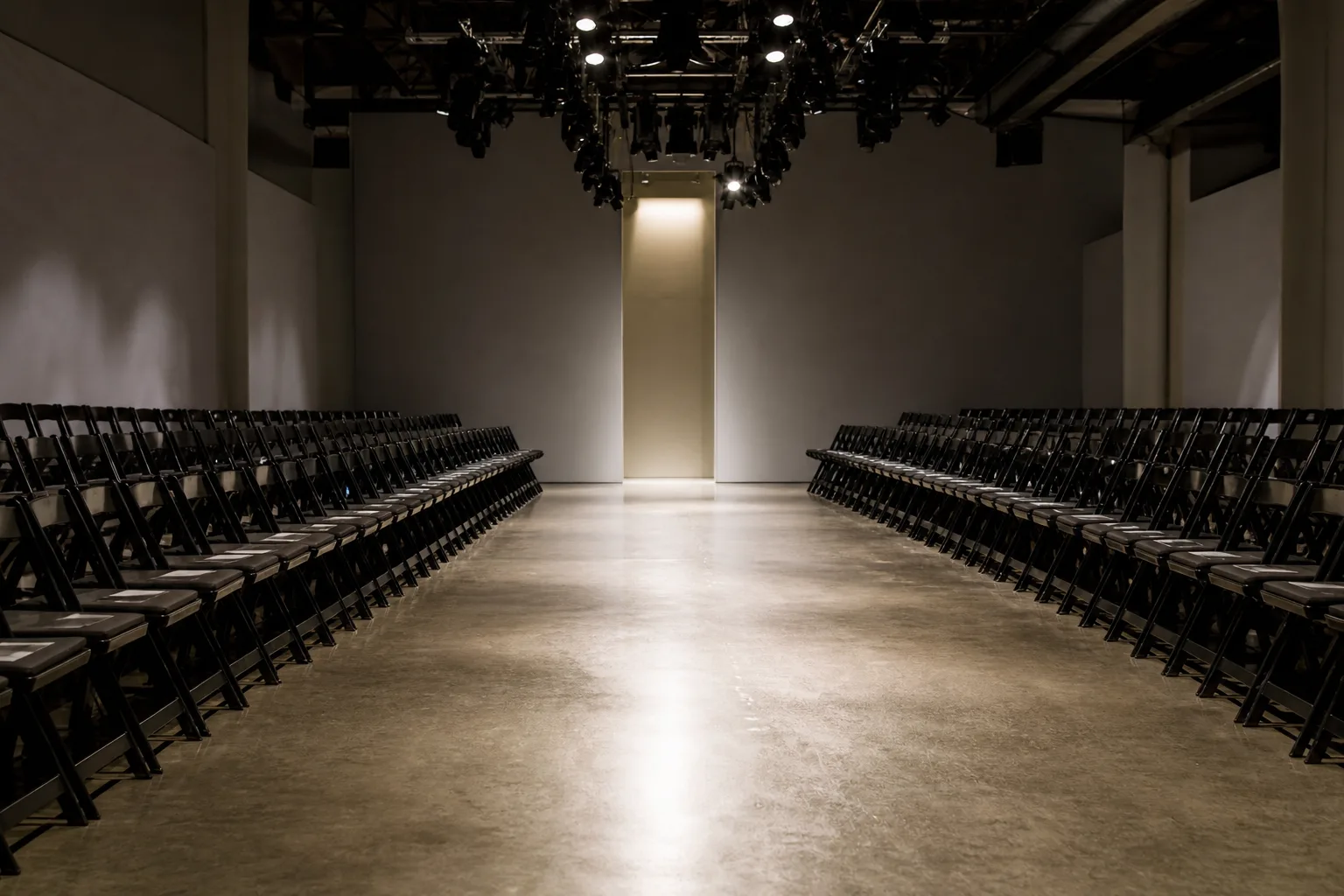
A show lasts about ten minutes and can cost millions. Its real audience is not in the room but on screens.
What they are for
Originally, so that store buyers and the press could see the clothes in advance. Today they are above all an image event.
The changes
Some brands have tried selling the clothes right after the show, and others show only once a year or off the calendar.
Beyond the four
Copenhagen, Seoul, São Paulo, Lagos and Mexico City have their own weeks, watched more closely every year.
How to follow them from home
You no longer need an invitation. Most houses stream their shows live on their websites and social channels, and full images of every collection are published a few hours later. A good method is to pick three or four labels and follow them season after season: that is how you learn to notice what changes and what stays. Critics' reviews help explain what a photograph cannot.