How the "For You" feed decides what you see
Nobody chose those videos for you by hand, and your phone is not listening. What recommendation algorithms measure, and how to retrain yours.
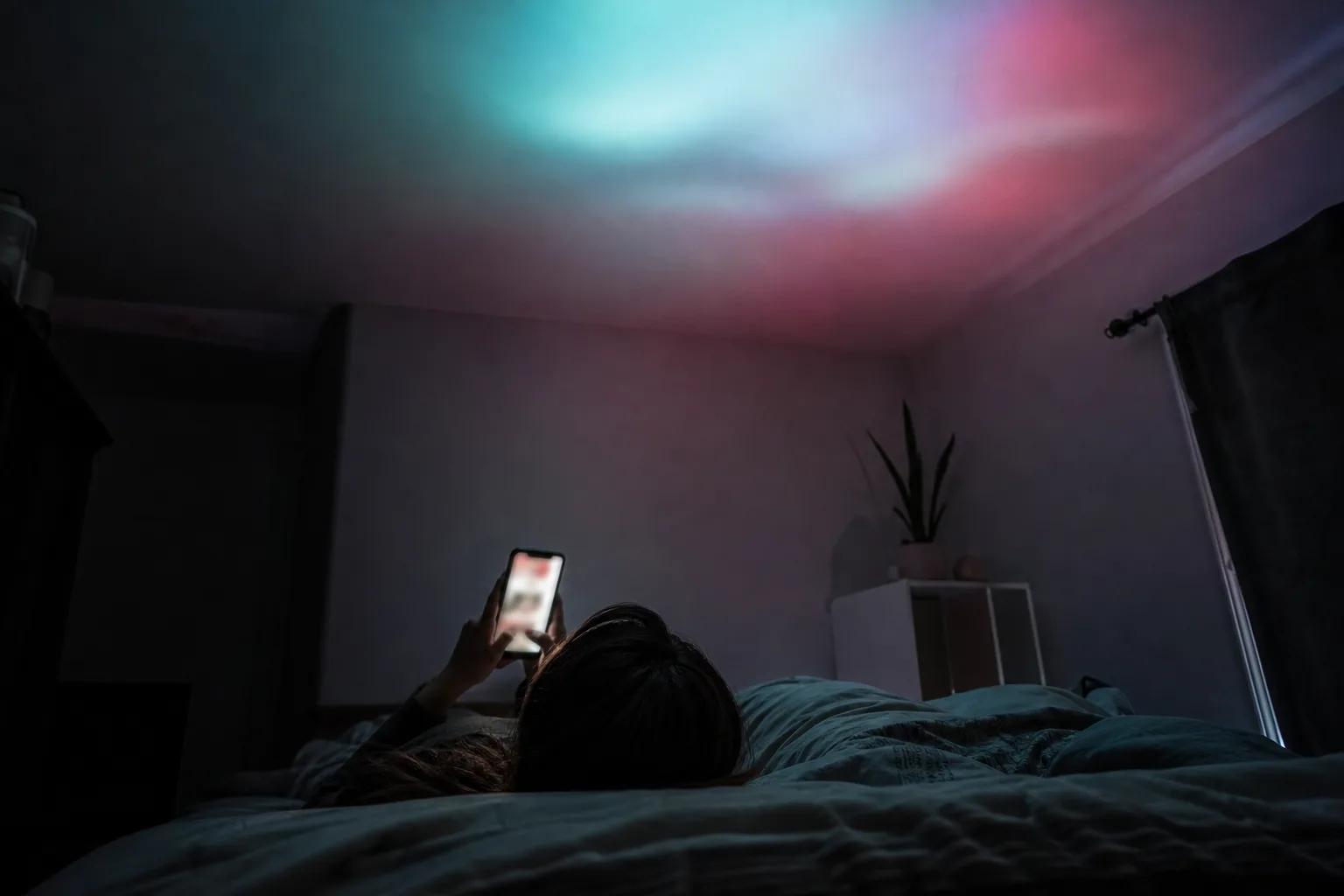
You open the app to watch one video. Forty minutes later you are deep in a corner of the internet about restoring old carpets, and you have no idea how you got there. The answer is a recommendation system, and it is less mysterious than it seems.
The basic idea
The feed has one job: to predict which video you are most likely to keep watching, out of millions. It does not understand the videos the way a person does. It compares behavior. People who watched what you watched also watched this, so it tries it on you.
What it measures
Platforms do not publish their exact formulas, but they have explained the main signals.
1. **Watch time.** The strongest signal. Did you watch to the end? Did you watch it twice?
2. **Skips.** Swiping away in the first second counts against a video.
3. **Actions.** Likes, comments, shares, saves and follows.
4. **What you search for** and which accounts you visit.
5. **Details of the video.** Its sound, its captions, its hashtags and its language.
Notice what matters most: not what you say you like, but what you actually watch. If you stop on videos that annoy you, you will get more of them.
The feed does not listen to what you say you like. It watches what you cannot stop watching.
How a video goes from zero to millions
A new video is first shown to a small group of people. If they watch it to the end and share it, it is shown to a larger group, and so on. This is why an unknown account can reach millions overnight, and why the first seconds of every video try so hard to hook you.
Is the phone listening?
It is the most repeated suspicion, and researchers who have looked for it have not found evidence that apps secretly record conversations to choose content. They do not need to. Your behavior, your contacts, your location and your searches already say more than enough.
The bubble problem
A system that gives you more of what you watch can narrow what you see. The effect has a name, the filter bubble. It is harmless with carpets and less so with health or politics, where the most extreme content is often the most gripping.