'In the Mood for Love': why we keep going back to Wong Kar-wai
Two neighbors, a narrow corridor and a love story that almost doesn't happen: keys to a film that does not age.
Review · FilmIn the Mood for Love★★★★★
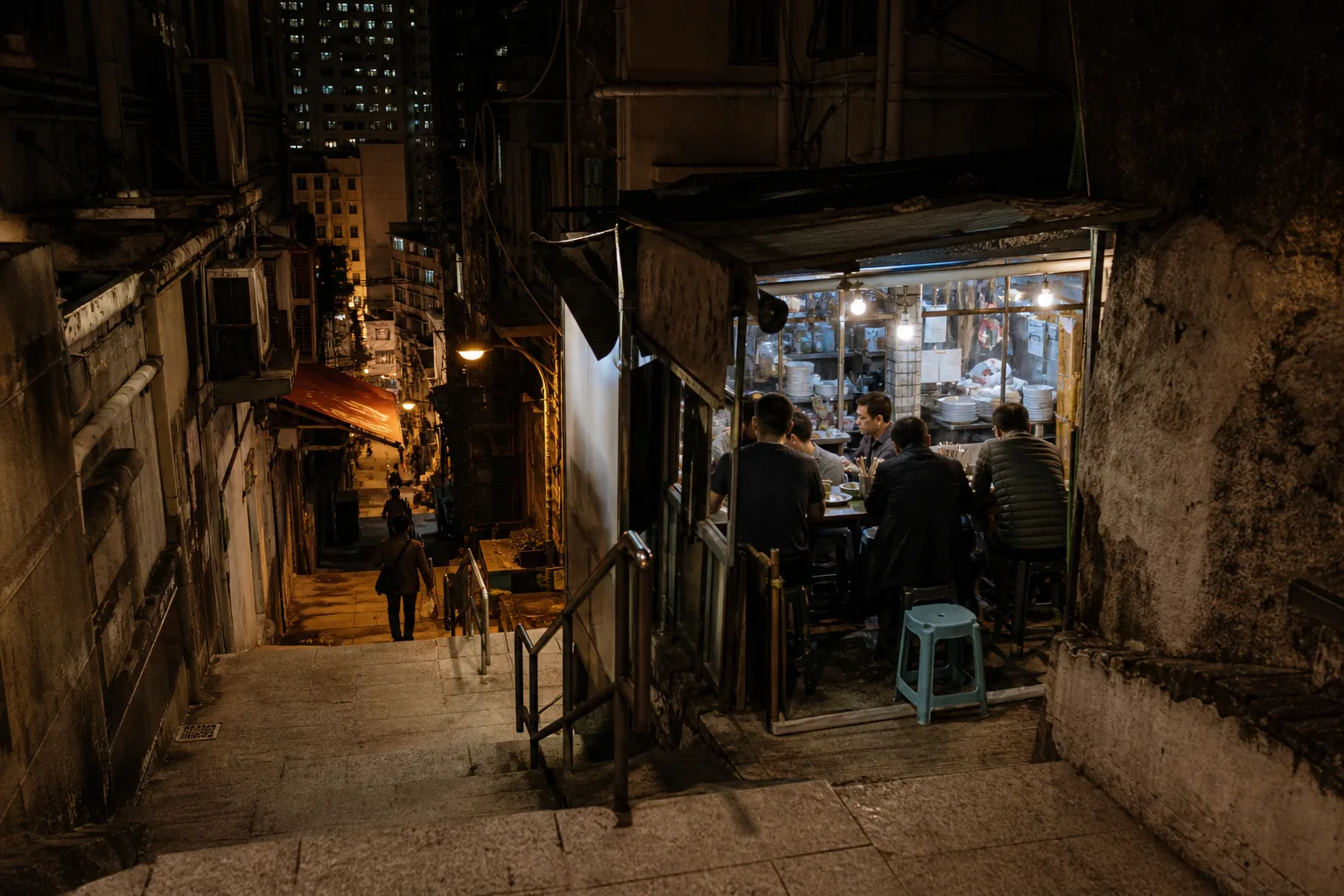
In the Mood for Love (2000) appears again and again on lists of the best films of this century. Its plot fits in one line: in the Hong Kong of 1962, a man and a woman discover that their spouses are cheating on them and grow close without daring to do the same.
What is not shown
Wong Kar-wai never shows the faces of the unfaithful spouses. Nor does he film a declaration. Everything happens in glances, in corridors where you must turn your body to let the other pass, in noodles bought at the same hour.
The form
The photography by Christopher Doyle and Mark Lee Ping-bin frames the characters through doors, mirrors and curtains. Maggie Cheung changes cheongsam dress in almost every scene, and those dresses mark the passing of time. Shigeru Umebayashi's waltz returns like a habit.
It is a film about what two people decide not to do.
How it was shot
The director worked without a finished script for more than a year, rewriting as he filmed. Yet the result seems measured to the millimeter.
Afterwards
If you like it, continue with Chungking Express (1994), which is lighter, and with 2046 (2004), its melancholy sequel.
The verdict
Five stars. Few films achieve so much with so little: without a single explicit love scene, it is one of the most intense love stories in cinema. Watching it takes patience and a screen that does justice to its colors, but it repays the investment many times over. And it improves with the years: each viewing reveals a gesture, a dress or a silence that had gone unnoticed before.