Keeping a journal: three methods for people who never get past week one
Five minutes, one question or a list. Modest forms of a habit that helps put your head in order.

Almost everyone has started a journal and dropped it. The problem is usually ambition: whole pages every night. These three methods ask for much less.
1. One line a day
A single sentence about the day. What happened, what you ate, who made you laugh. It takes a minute, and after a year you have 365 memories you would otherwise have lost.
2. Three pages in the morning
Writer Julia Cameron proposed it in The Artist's Way (1992): three pages by hand, as soon as you get up, without thinking or correcting. It is not for rereading. It is for emptying your head before the day starts.
3. The list
Three things that went well today. Or three things to do tomorrow. Lists are the easiest way to write without feeling you are writing.
A journal is not literature. It is a conversation with someone who has all the time in the world: you.
What science says
Since the 1980s, psychologist James Pennebaker has studied expressive writing: writing for fifteen or twenty minutes, several days running, about something that worries us. His experiments found improvements in mood and in some health indicators.
Practical tips
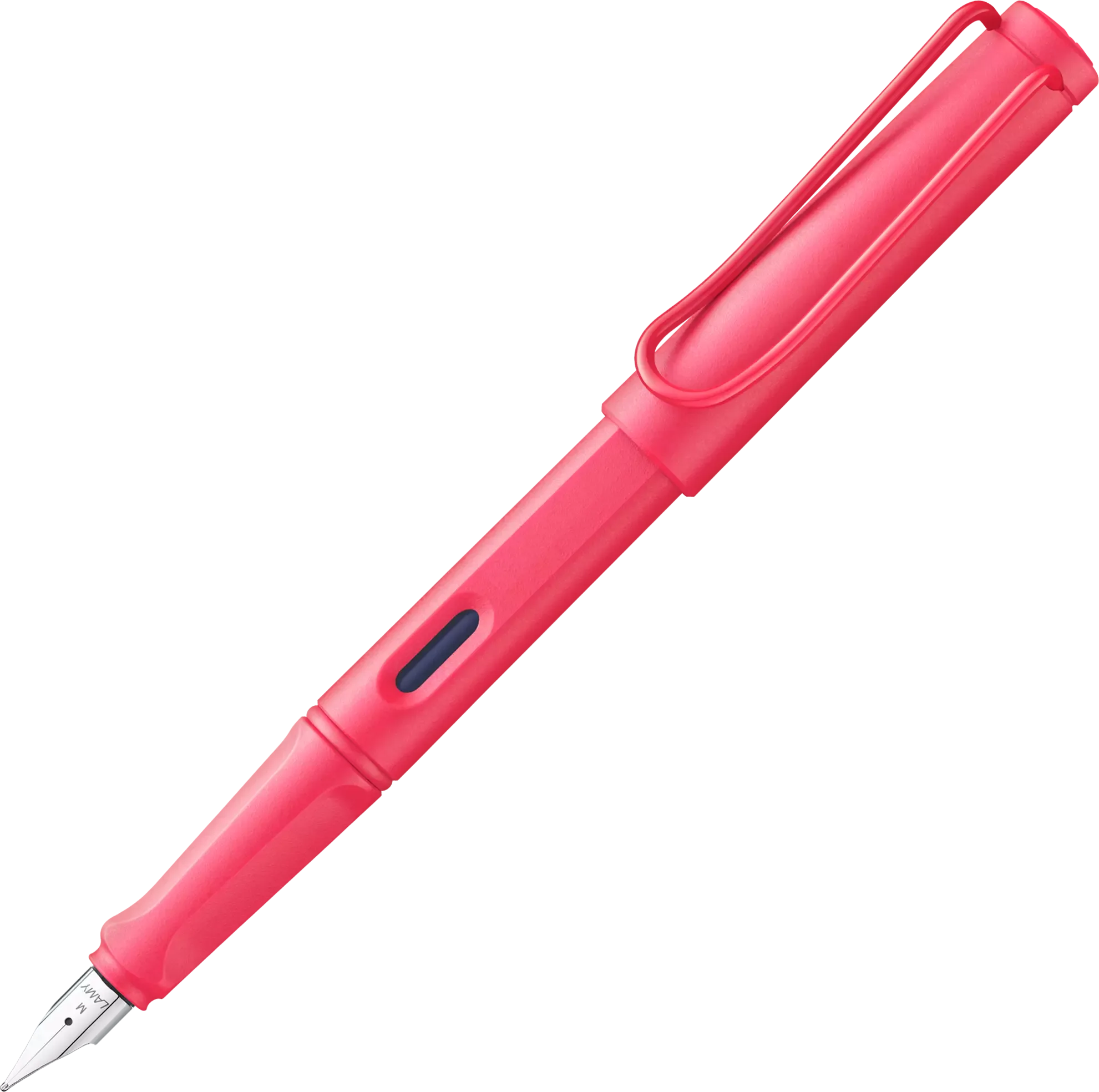
By hand, if you can: it forces you to go slowly. Always at the same time. A notebook you are not afraid to start. And if you miss a day, never mind: pick up where you left off.
Paper or screen
There is no right answer. Writing by hand is slower, and that slowness helps you think; a notebook also has no notifications. An app is always with you, and lets you search and add photos. The best option is the one you will actually use: if in doubt, start with a cheap notebook, so you are not afraid of spoiling it. And remember that nobody else is going to read it: you do not need to write well.