Sleeping better: eight habits specialists recommend
Regular hours, morning light and screens away from the bed. Nothing spectacular, and nearly all of it works.
Adults generally need between seven and nine hours of sleep. What specialists call sleep hygiene is a set of simple habits that help you get them. They do not replace a doctor if insomnia persists, but they are the first step.
1. The same time
Go to bed and, above all, get up at the same time every day, weekends included. Your internal clock appreciates regularity.
2. Morning light
Go outside or open the window when you wake. Early natural light sets the body's rhythm.
3. Darkness at night
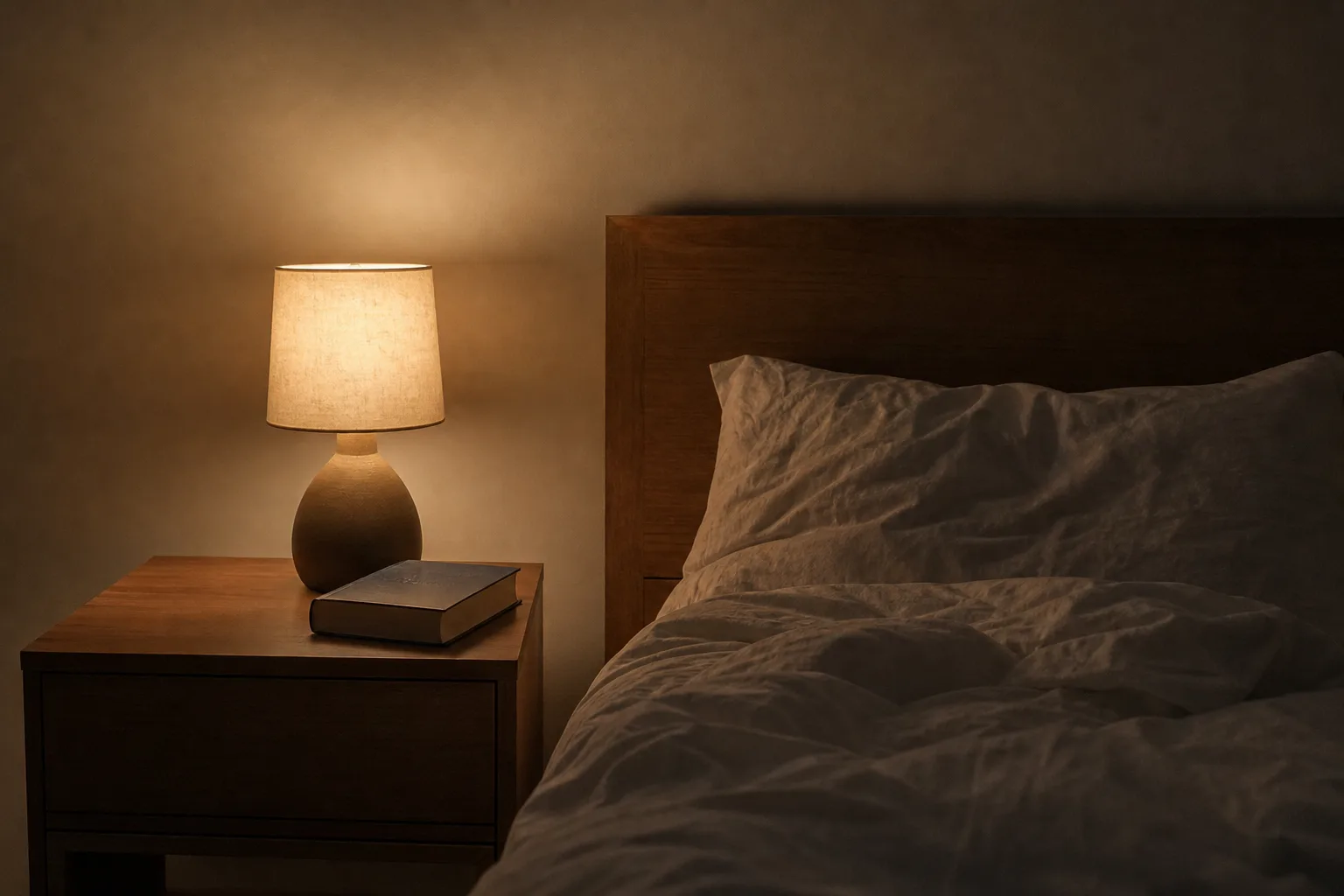
Dim the lights an hour before. Keep screens out of the bedroom if you can.
4. Caffeine on a schedule
Its effect lasts for hours. Best avoided from early afternoon.
Bed is for sleeping. If the brain associates it with working or looking at a phone, it struggles to switch off.
5. A light, early dinner
And watch the alcohol: it helps you fall asleep but fragments sleep.
6. Move during the day
Regular exercise improves rest; avoid intense workouts right before bed.
7. A cool room
Quiet, dark and on the cold side: around 18 or 19°C (65°F).
8. If it doesn't come, get up
If twenty minutes go by without sleep, leave the bed and do something calm in low light. Go back when you feel sleepy.
If the problem lasts for weeks, see a professional.
When to see a doctor
These habits help most people, but they do not solve everything. If you have slept badly for several weeks, if you snore loudly and wake up tired, or if sleep is affecting your work or mood, talk to your doctor. Persistent insomnia and sleep apnea are treatable, and the sooner they are addressed, the better. This article is general guidance and no substitute for an appointment.