Olive oil: how to read the label and get it right
Extra virgin, virgin, plain 'olive oil': three different products with similar names. And a myth about frying.
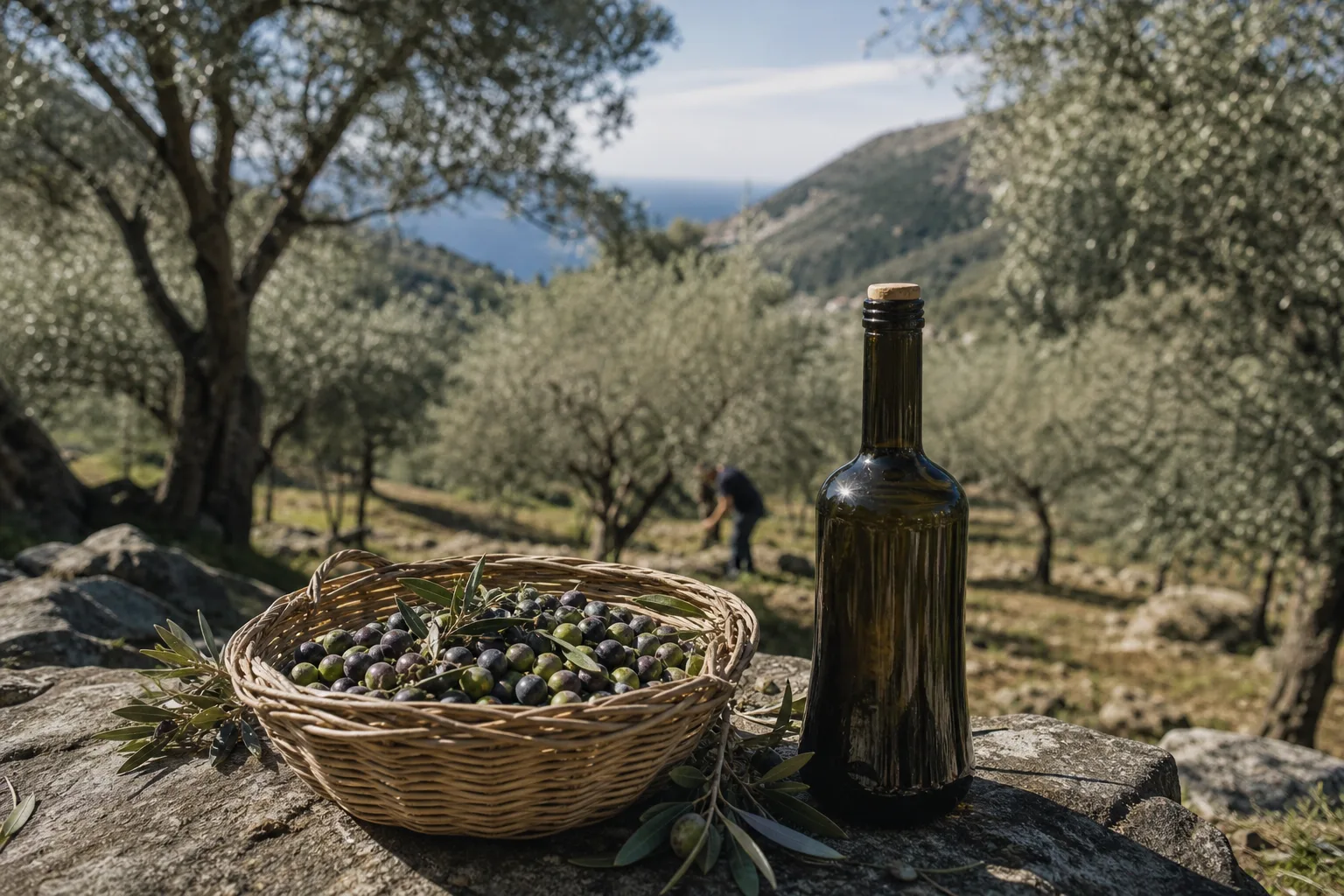
With the new olive harvest under way in the northern hemisphere, the year's freshest oils are reaching the shops. Knowing how to read the bottle keeps you from overpaying or taking home the wrong thing.
The three categories
Extra virgin: olive juice obtained by mechanical means only, with no flavor defects and acidity up to 0.8%. It is the top grade. Virgin: same process, with slight defects and acidity up to 2%. Olive oil (plain): a blend of refined oil — treated to remove defects, and flavor with them — and a little virgin oil.
You can't taste acidity
It is a chemical measure, not a flavor. Terms like "mild" and "intense" on refined oil only indicate how much virgin oil it contains.
What does matter
The harvest or best-before date: oil does not improve with age and is best used within the year. The container: dark glass or tin, because light spoils it. The variety: picual is intense and peppery; arbequina, mild and fruity; hojiblanca, balanced.
A peppery throat and bitterness are not defects: they are signs of freshness and polyphenols.
A myth
You can fry with extra virgin. It is stable at normal cooking temperatures.
At home
Keep it away from the stove and the window, tightly closed. And use it: it is a fresh product.
The varieties
Like wine, oil changes with the olive. Picual, the most widely grown in Spain, gives intense oils, bitter and peppery, very stable for cooking. Arbequina is mild and fruity, good for beginners. Hojiblanca sits somewhere in between. The peppery catch in the throat is not a defect: it comes from polyphenols, and usually indicates a fresh oil.