The Mediterranean diet: what it really is (and is not)
It is not a list of miracle foods but a way of eating and of sitting down at the table. The essentials, without dogma.
The Mediterranean diet is probably the most studied eating pattern in the world. It is also one of the most misunderstood: it does not mean eating pasta and drinking wine.
Where the idea came from
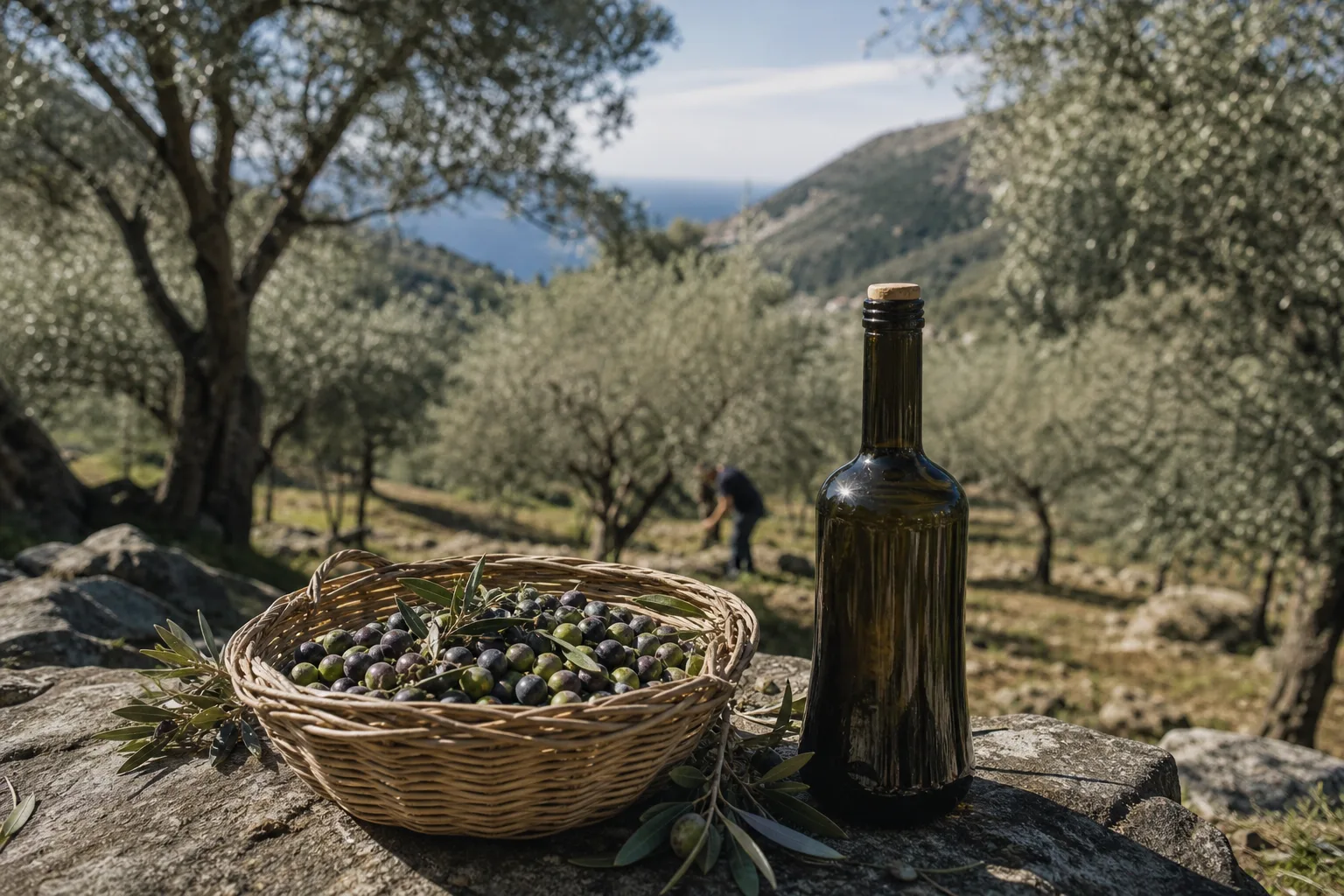
In the 1950s, American physiologist Ancel Keys observed that Crete and southern Italy had less heart disease than his own country. He put it down to the way those farmers ate.
What it consists of
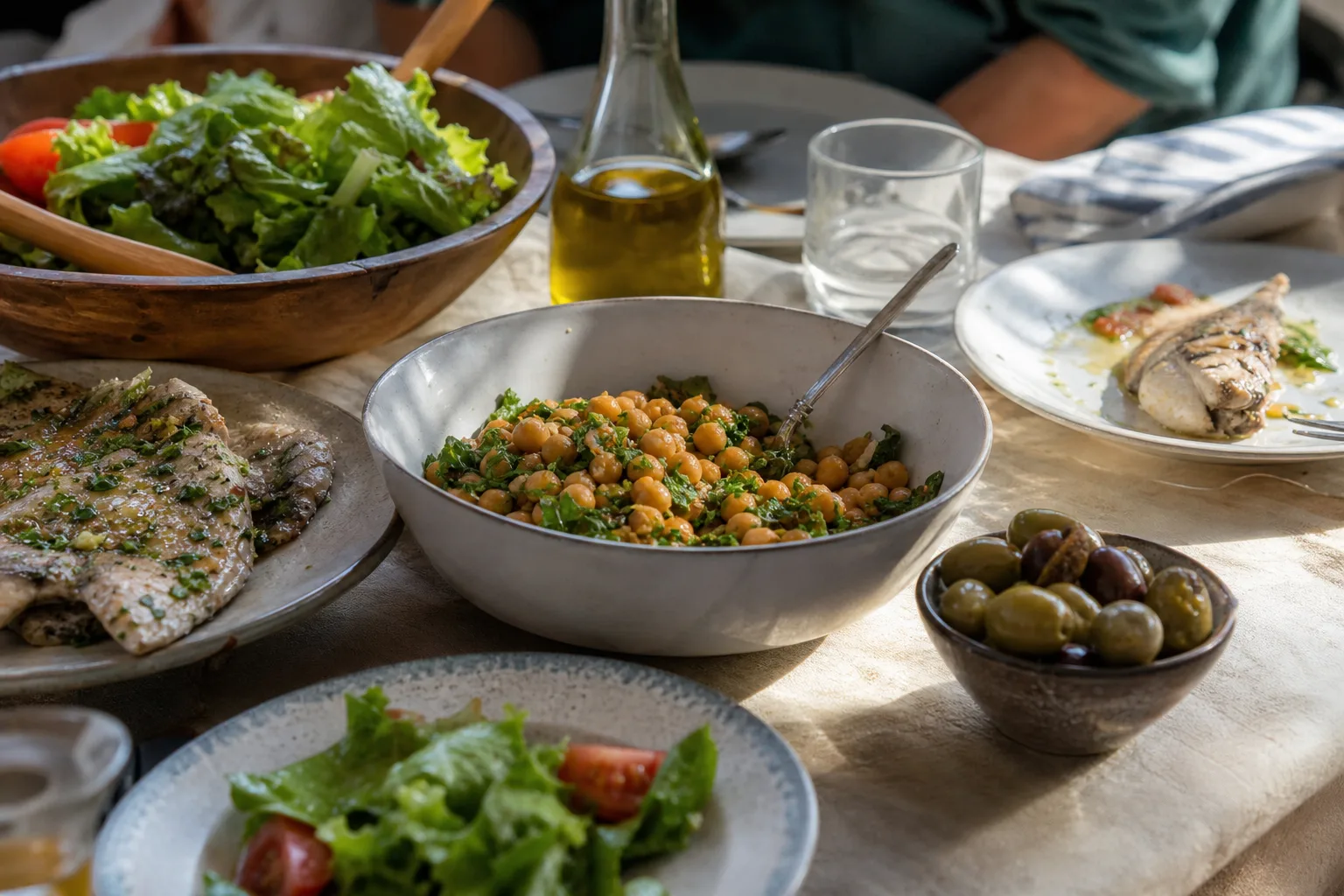
Daily: vegetables, fruit, legumes, whole grains, nuts and olive oil as the main fat. Several times a week: fish, eggs, some fermented dairy. Now and then: red meat, cured meats and sweets. Water to drink.
What studies say
The Spanish PREDIMED trial, with more than seven thousand participants, found about 30% fewer heart attacks and strokes among those following this diet enriched with extra virgin olive oil or nuts, compared with a low-fat diet.
UNESCO does not protect a list of foods but a way of life: growing, cooking and, above all, eating together.
More than food
Since 2010 it has been intangible heritage of humanity. The recognition includes markets, recipes handed down in families and shared meals.
How to get closer
Legumes two or three times a week. Fruit for dessert. A handful of nuts. Cook more and open fewer packets. And eat without hurry.
A sample day
Breakfast: wholegrain bread with olive oil and tomato, and a piece of fruit. Lunch: a dish of pulses with vegetables — lentils, chickpeas with spinach — salad and fruit. Snack: a handful of nuts or a yogurt. Dinner: fish or eggs with grilled vegetables. Water to drink and, at most, sweets now and then. There are no exotic ingredients or calorie counts: it is market cooking.