Sourdough for beginners: flour, water and one week
What it is, how to make it from scratch and why it doesn't matter if you forget to feed it one day.
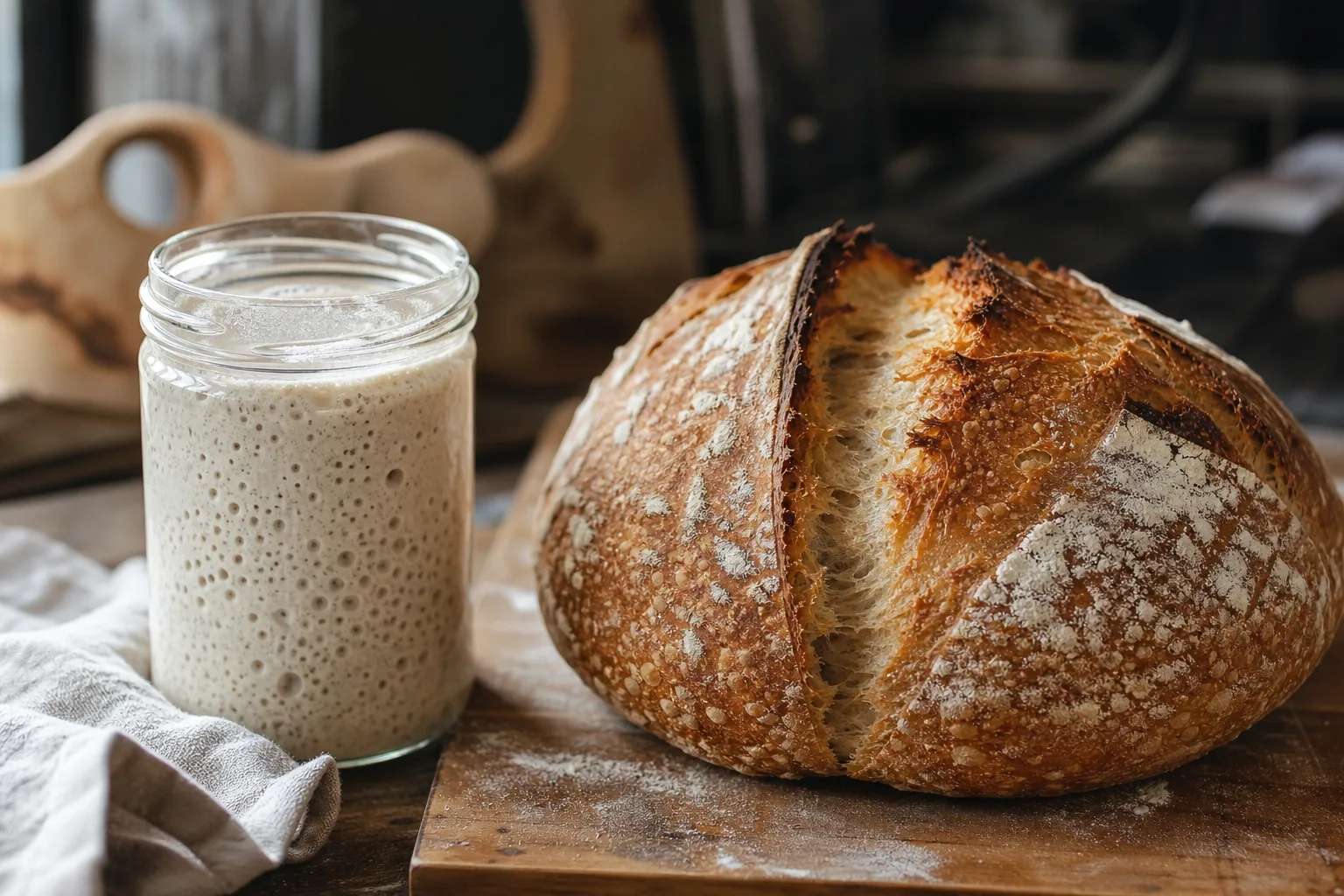
Sourdough is the oldest way of making bread: a mix of flour and water where wild yeasts and bacteria live. It ferments slowly, adds flavor and makes bread keep longer. Creating a starter is easy; it only asks for consistency.
Day 1
In a glass jar, mix 50 grams of whole-grain flour and 50 grams of lukewarm water. Cover loosely and leave the jar somewhere warm.
Days 2 to 6
Each day, remove half the mix and add another 50 grams of flour and 50 of water. Around day three you will see bubbles and notice a sour smell, like yogurt or apple. That is a good sign.
When it is ready
When, after feeding, it doubles in volume within four to eight hours. That usually happens after a week, a little longer in cold weather. Put a rubber band on the jar to mark the level.
A starter is hard to kill. If it smells strong or looks sluggish, it is almost always hungry.
Upkeep
If you bake often, feed it daily at room temperature. If not, keep it in the fridge and feed it once a week.
The first loaf
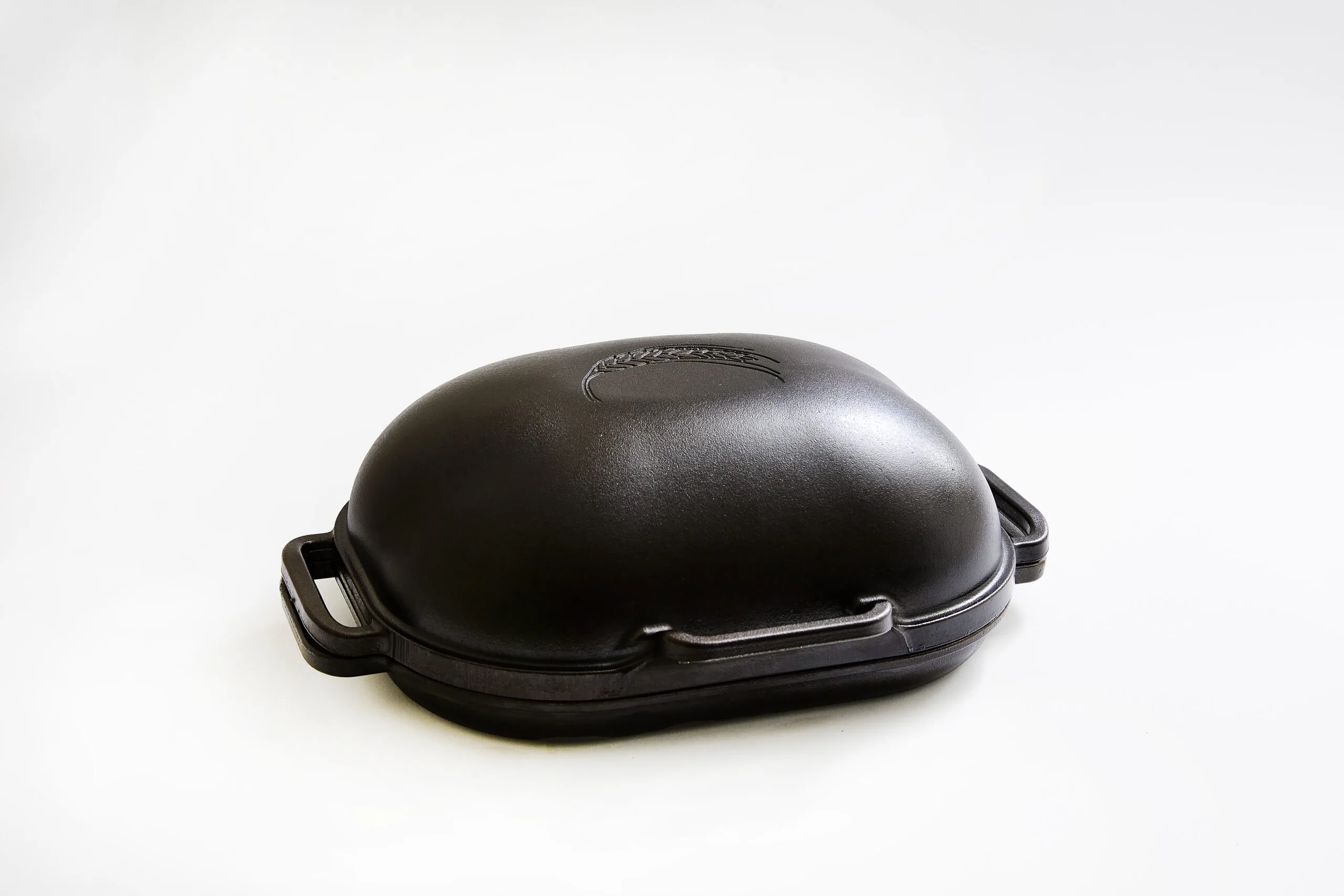
Don't aim for the perfect loaf. Start with a simple recipe, with starter at 20% of the flour weight, and bake in a lidded pot: the steam makes the crust.
The discard
What you remove works for pancakes, crackers or pizza dough.
Why it works
A sourdough starter is a small ecosystem. Flour and air carry wild yeasts and lactic acid bacteria; given water and food, they multiply. The yeasts produce the gas that makes bread rise, and the bacteria the acids that give it flavor and keep it fresh longer. That is why every starter is a little different, and why bread made with one lasts several days without going hard.