Three composers who changed the sound of cinema
Herrmann, Morricone and Williams: how music can frighten, move us or make a bicycle fly.
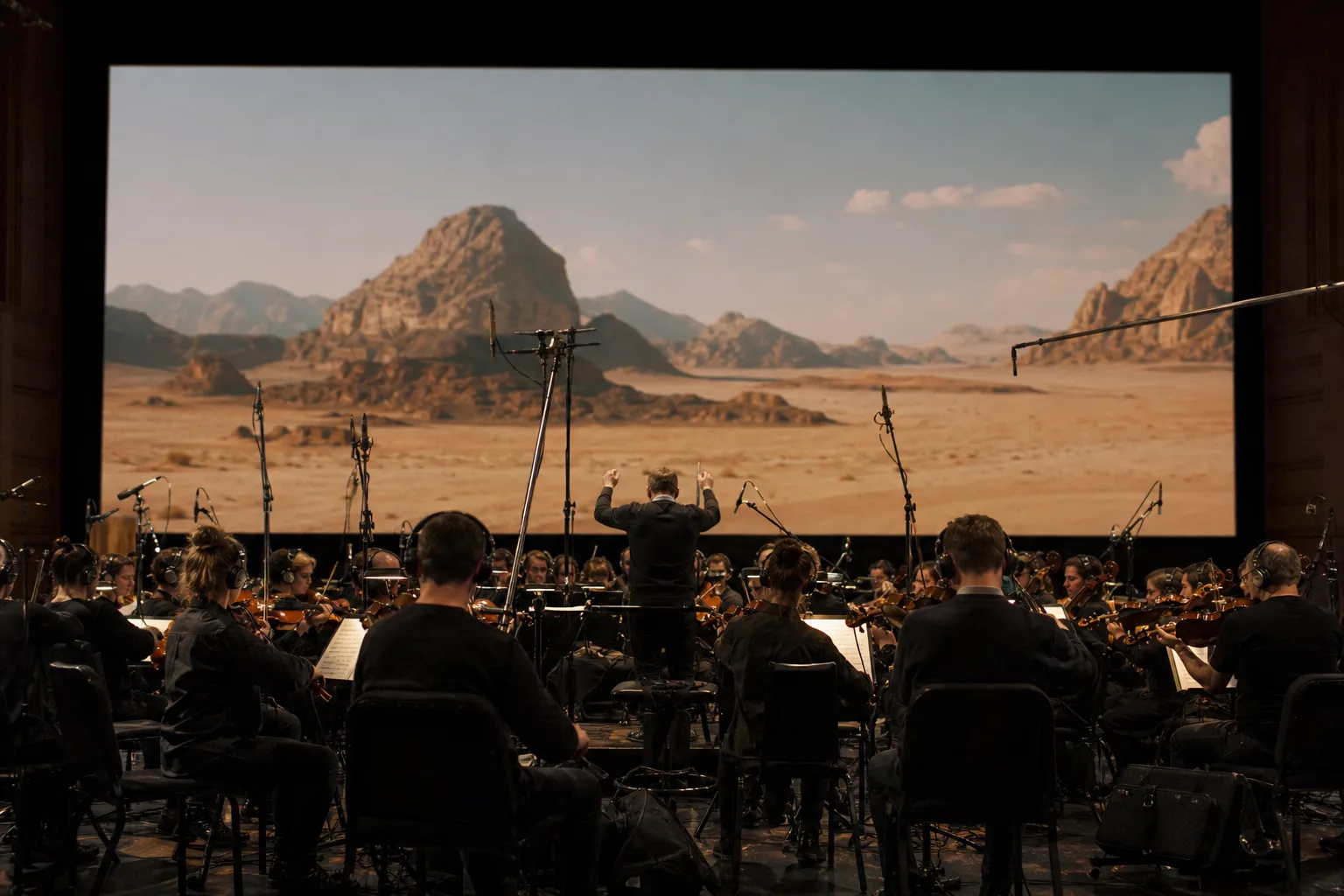
A film's music works on us without asking permission. Three composers help explain how.
Bernard Herrmann: fear
A regular collaborator of Hitchcock, Herrmann wrote a score for strings only for Psycho (1960). The shrieking violins of the shower scene are probably the most imitated sound in horror. Sixteen years later he closed his career with the late-night saxophone of Taxi Driver.
Ennio Morricone: landscape
The Italian composer reinvented the western with whistles, electric guitars, bells and human voices used as instruments. His music for The Good, the Bad and the Ugly (1966) is recognizable in two notes. He wrote more than four hundred scores and won the Oscar in 2016 for The Hateful Eight.
Morricone proved that a whistle can fill a desert.
John Williams: adventure
In Jaws (1975), two notes were enough to announce danger. Then came Star Wars, Indiana Jones, E.T. and Harry Potter. Williams brought back the full symphony orchestra and the leitmotif: a musical theme for each character.
An exercise
Watch a familiar scene without sound and then with it. The difference is exactly the composer's work.
What a leitmotif is
All three share a tool inherited from opera: the leitmotif, a short melody tied to a character, a place or an idea. When it returns, the audience understands something without anyone saying it. The shark's two notes announce danger before it is seen; the harmonica in Once Upon a Time in the West identifies a man and his revenge. It is music that tells the story on its own.