Agnès Varda, the filmmaker who shot with curiosity
Photographer, New Wave pioneer and documentary maker into her nineties: a body of work made of beaches, potatoes and ordinary people.
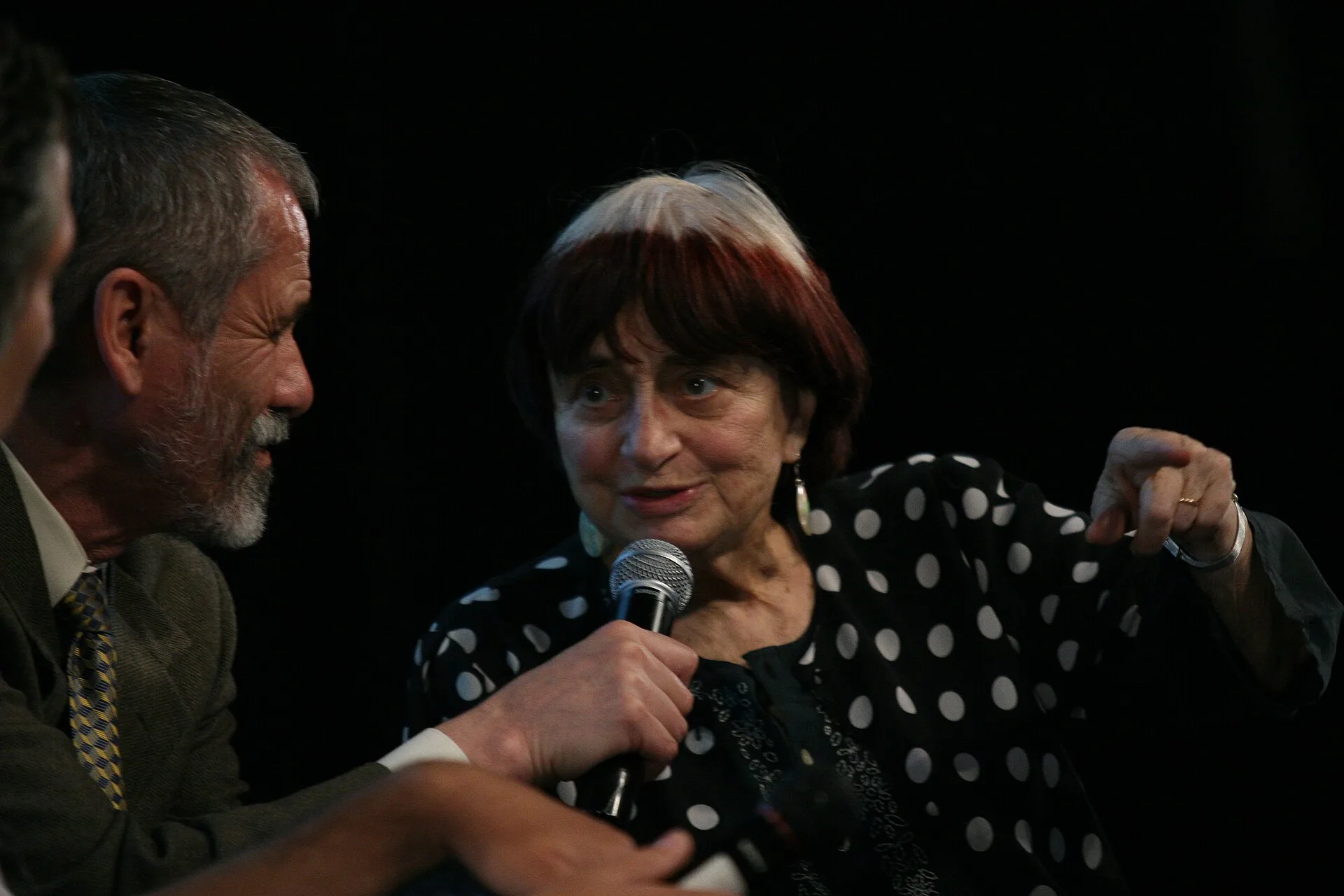
Agnès Varda (1928–2019) made her first film in 1955, before Truffaut and Godard, and kept filming to the end of her life. That is why she is often called the grandmother of the New Wave, a title she accepted with humor.
Fiction with a documentary eye
Cléo from 5 to 7 (1962) follows, almost in real time, a singer waiting for a diagnosis. Vagabond (1985), about a young drifter, won the Golden Lion at Venice.
Documentary with imagination
In The Gleaners and I (2000), Varda travels France with a small digital camera filming people who pick up what others throw away: food, objects, images. She counts herself among the gleaners.
Varda said that if we opened people up we would find landscapes; inside her there would be beaches.
The happy ending
Faces Places (2017), co-directed with the artist JR, shows her at almost ninety traveling in a van that prints giant portraits. That same year she received an honorary Oscar.
Why she matters
Varda almost always worked with little money and a lot of freedom, and showed that curiosity is a method. Her films are good company for anyone who thinks cinema has to be solemn.
Where to start
Cléo from 5 to 7 is the best way in: an hour and a half, almost in real time, through the streets of Paris. For documentary, The Gleaners and I, in which Varda follows people who collect what others throw away and ends up talking about herself. And Faces Places, made with the artist JR when she was nearly ninety, proves that curiosity need not retire.