The French New Wave in three films
Critics turned directors, lightweight cameras and an urge to break the rules: how cinema changed in the late fifties.
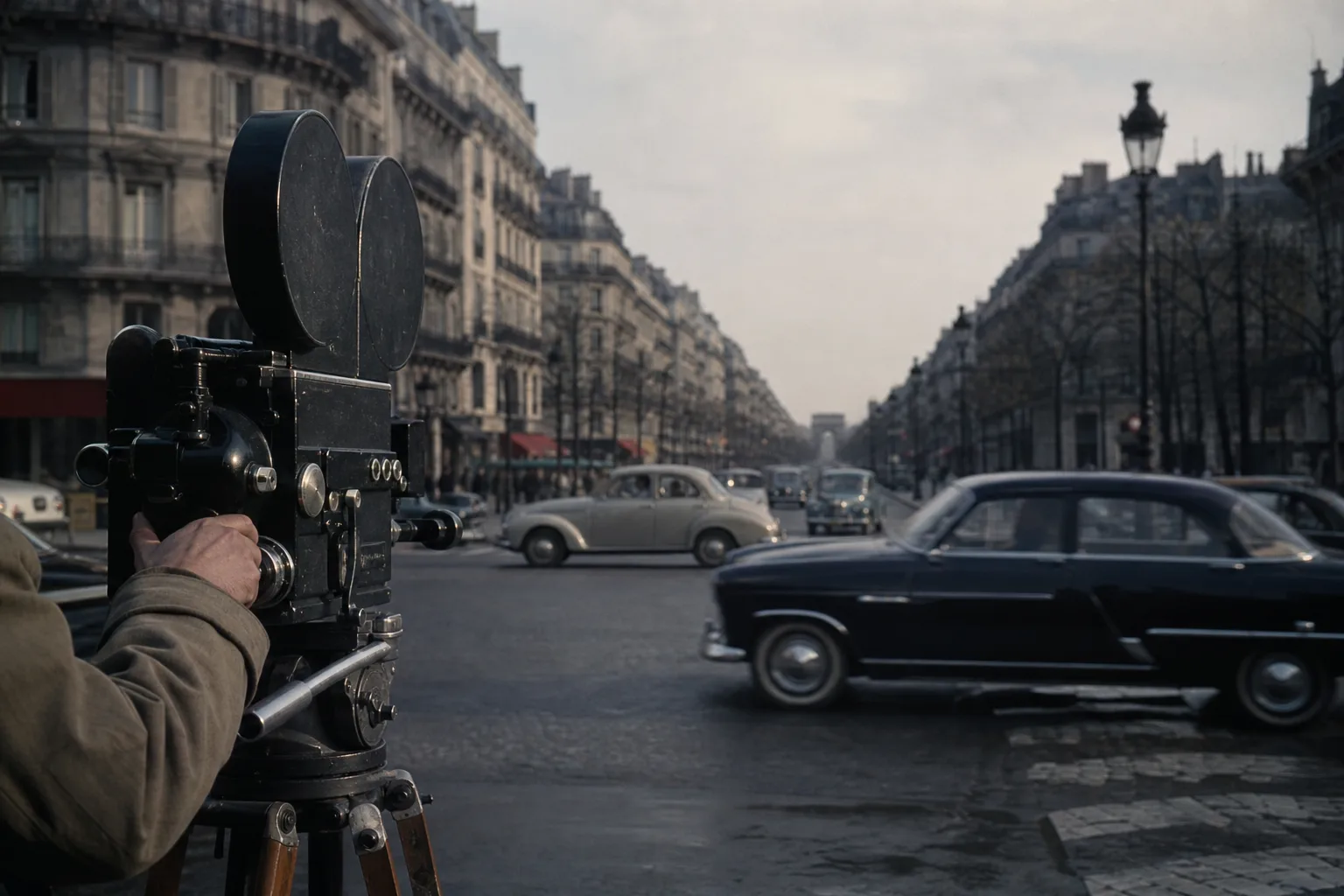
In the late 1950s, a group of young critics at the magazine Cahiers du Cinéma decided to stop writing about films and start making them. The result was called the Nouvelle Vague, the New Wave.
What was new
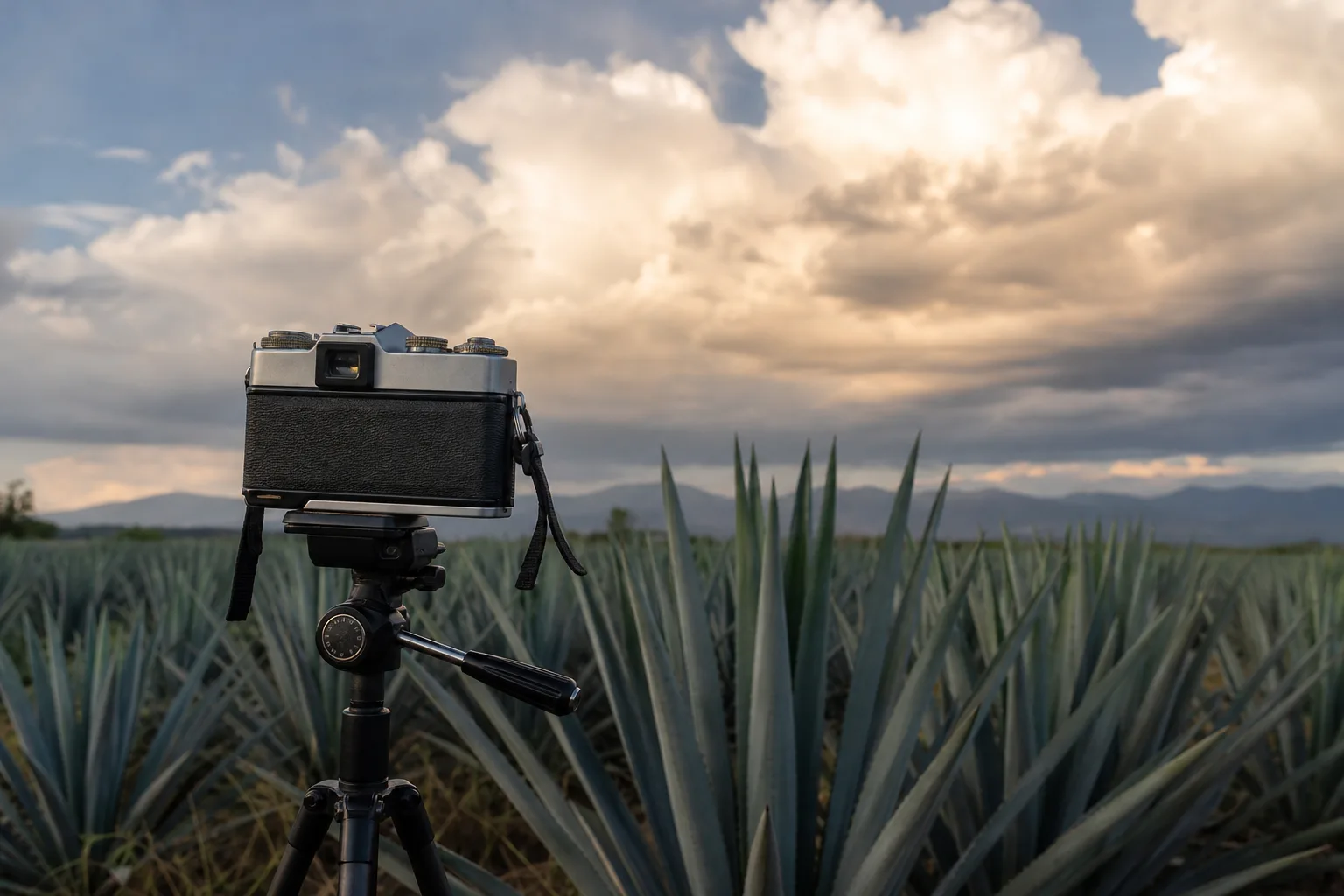
Lightweight cameras, shooting in the street, tiny budgets and one central idea: the director is the author of a film, as a novelist is of a book.
The 400 Blows (1959)
François Truffaut films, almost as autobiography, a twelve-year-old boy nobody listens to. Its final image, a frozen face in front of the sea, is among the most famous in cinema.
Breathless (1960)
Jean-Luc Godard tells the story of a car thief on the run with jump cuts that looked like mistakes at the time. From then on, cutting "badly" was a stylistic choice.
The New Wave proved that a camera, a city and an idea were enough to make a film.
Cléo from 5 to 7 (1962)
Agnès Varda follows, for almost two hours of real time, a singer waiting for the result of a medical test. Paris had never looked so alive or so fragile.
If any of the three hooks you, the road continues with Rohmer, Rivette, Chabrol and Resnais.
From critics to directors
Before they filmed, several of them wrote. Truffaut, Godard, Rohmer, Chabrol and Rivette published reviews in the magazine Cahiers du cinéma, where they championed the idea that the director is the true author of a film, just as a novelist is of a book. They admired Hitchcock and Howard Hawks when few took them seriously. By the time they finally picked up a camera, they already knew what kind of cinema they did not want to make.