Silent film: four reasons to watch it today
It is neither slow nor old: it is another way of telling stories. A starting point with Méliès, Chaplin, Keaton and Lang.
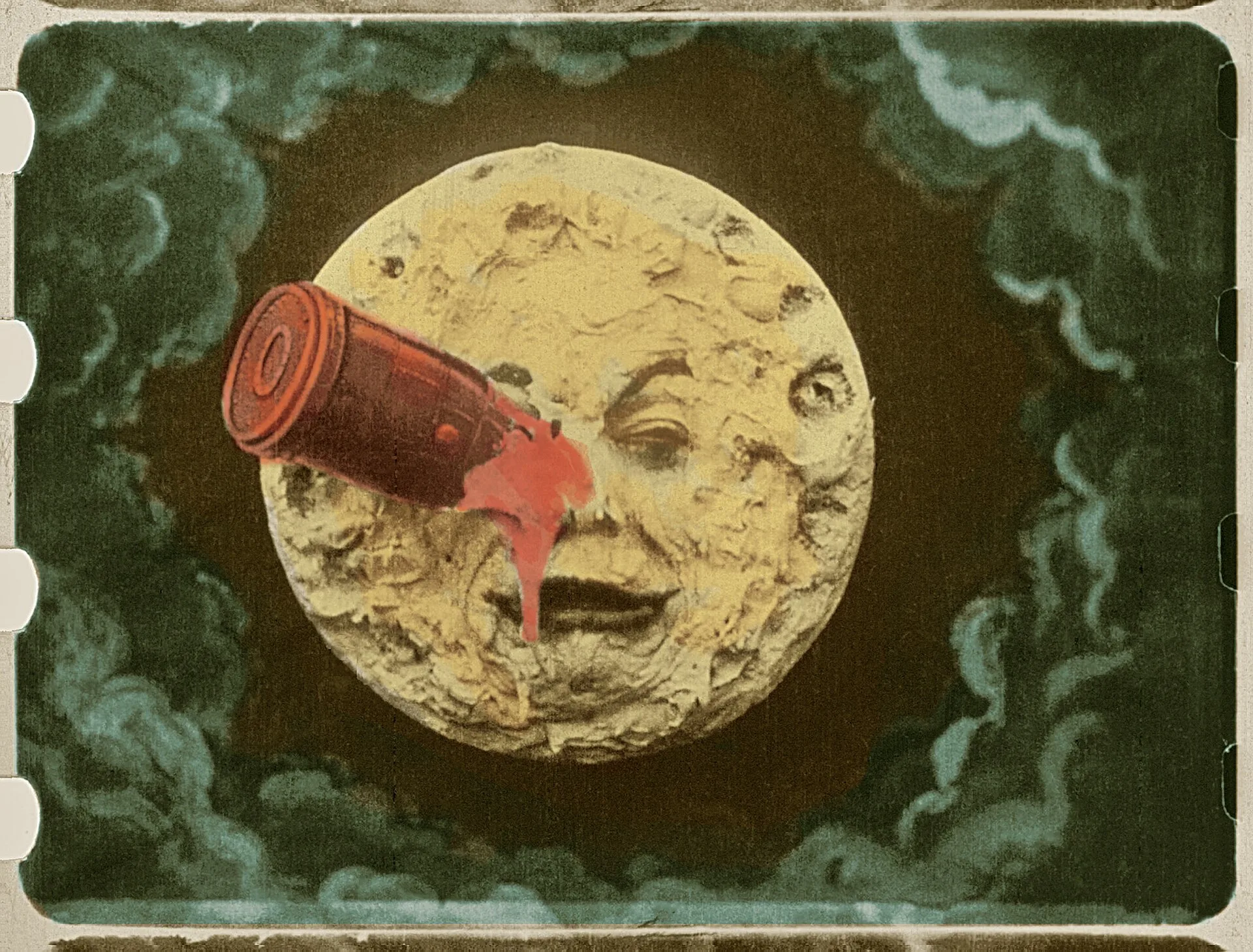
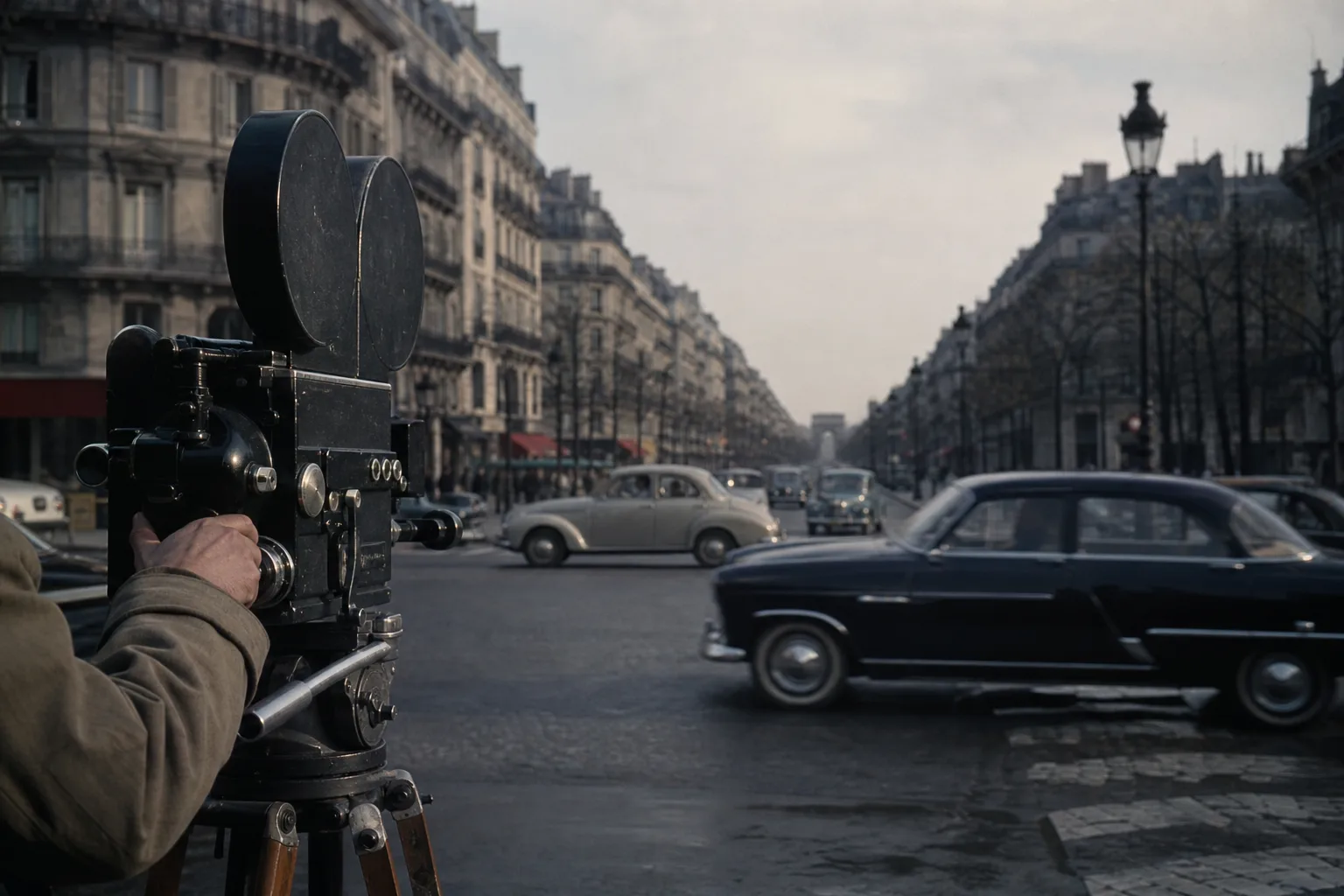
Cinema was silent for its first three decades, until The Jazz Singer popularized sound in 1927. In that time almost everything was invented: the close-up, editing, special effects and physical comedy.
A Trip to the Moon (1902)
Georges Méliès, a magician by trade, discovered that the camera could do tricks. His rocket stuck in the Moon's eye is the first iconic image of science fiction. It lasts about fourteen minutes.
The General (1926)
Buster Keaton chases a stolen locomotive during the American Civil War with the deadpan face that made him famous. He did his own stunts, with no tricks.
There is no silence in silent film: there is music, gesture and an audience that fills in what is missing.
Metropolis (1927)
Fritz Lang imagined a city of the future divided between those who live above and those who work below. Its robot and skyscrapers are still being copied.
City Lights (1931)
Charles Chaplin released it when sound already ruled, and still chose not to speak. Its ending is one of the most moving there is.
How to watch
With good music and without your phone at hand. After ten minutes, the rhythm stops feeling strange.
It was never silent
"Silent" films were almost never shown in silence. Theaters had a pianist, an organ or even a full orchestra, and in Japan a narrator, the benshi, who voiced the characters. That is why the music on the copy you watch matters so much: a good restored score changes the experience completely. If you can, look for a screening with live music; many film archives program them.