Italian neorealism: when cinema took to the streets
With no studios and no stars, a group of directors filmed the postwar years as they were. Their influence reaches today.
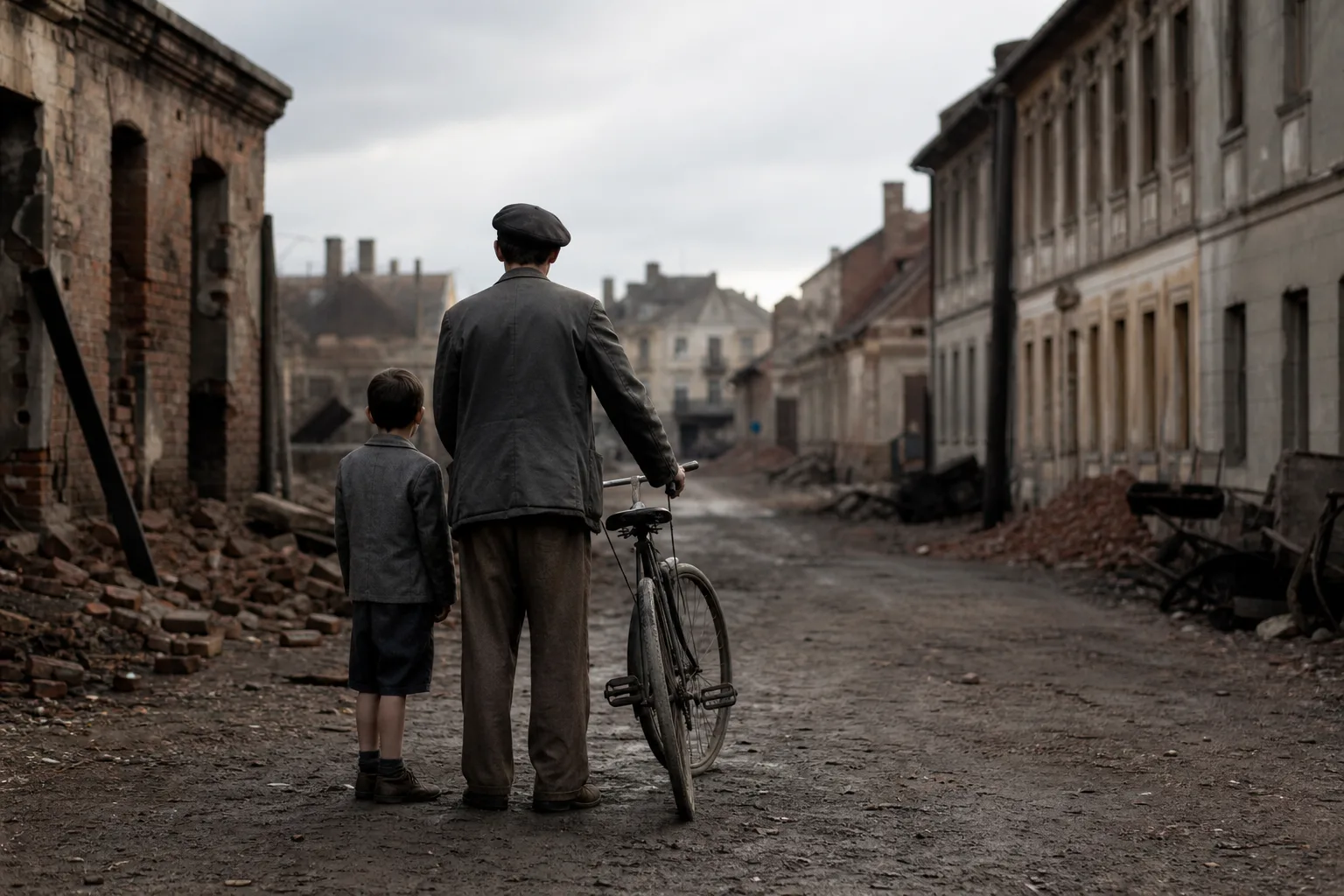
When the Second World War ended, Italy was in ruins and its big studios unusable. Out of that scarcity came one of the most influential movements in film: neorealism.
The unwritten rules
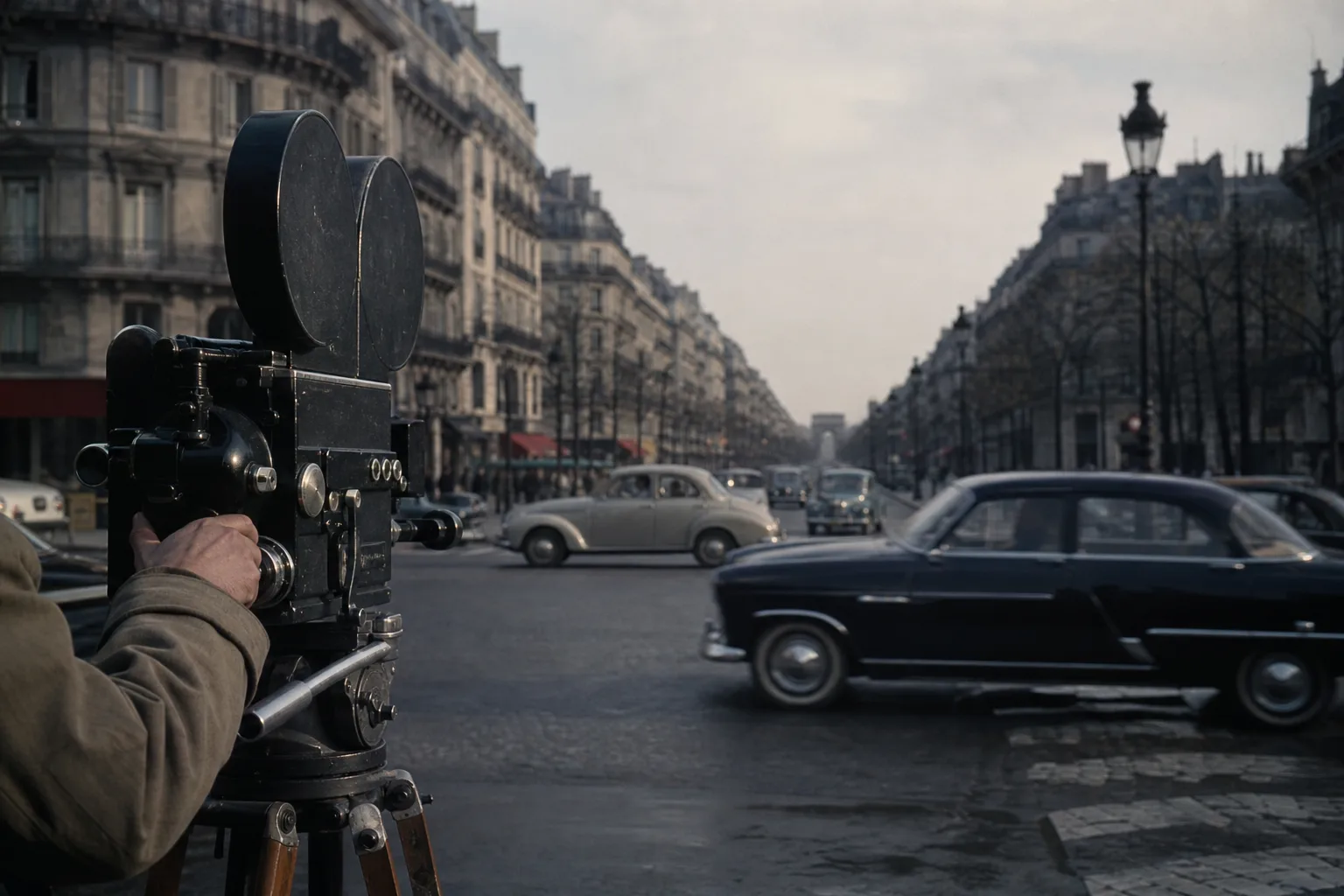
Shoot on real streets, in natural light. Mix professional actors with ordinary people. Tell stories of workers, the unemployed and children, without imposed happy endings.
Three essential titles
Rome, Open City (1945), by Roberto Rossellini, was filmed when the German occupation had only just ended, on whatever film stock could be found. Bicycle Thieves (1948), by Vittorio De Sica, follows a father and son searching all of Rome for the stolen bicycle a job depends on. Umberto D. (1952), also by De Sica, stays with a pensioner and his dog.
A stolen bicycle was enough to make one of the most moving films in history.
What it left
The movement was short-lived, but its way of looking passed into the French New Wave, Brazil's Cinema Novo, Iranian cinema and much of today's independent film. Whenever a movie trusts an unknown face and a real street, there is some neorealism in it.
Where to start
If you are going to watch only one, make it Bicycle Thieves: it runs an hour and a half, needs no context and its ending still hurts. After that, Rome, Open City shows the movement in the heat of the moment, shot with the war barely over. And Umberto D., the story of a pensioner and his dog, is the most distilled. Watching them in that order lets you see how neorealism moved from urgency to contemplation.