Caravaggio and the invention of dramatic light
He painted saints with dirty feet, killed a man and changed European painting in under twenty years.
Michelangelo Merisi, called Caravaggio after his family's town, arrived in Rome around 1592, aged about twenty and penniless. When he fled the city in 1606, he was the most imitated painter in Europe.
Chiaroscuro
His invention was light. In his pictures, backgrounds vanish into darkness and a light from the side picks out only the essential: a face, a hand, a wound. That technique, pushed to the extreme, is called tenebrism.
Saints from the street
To paint apostles and virgins he used Rome's laborers, gamblers and prostitutes as models, with wrinkles and black fingernails. Some commissions were rejected as indecent.
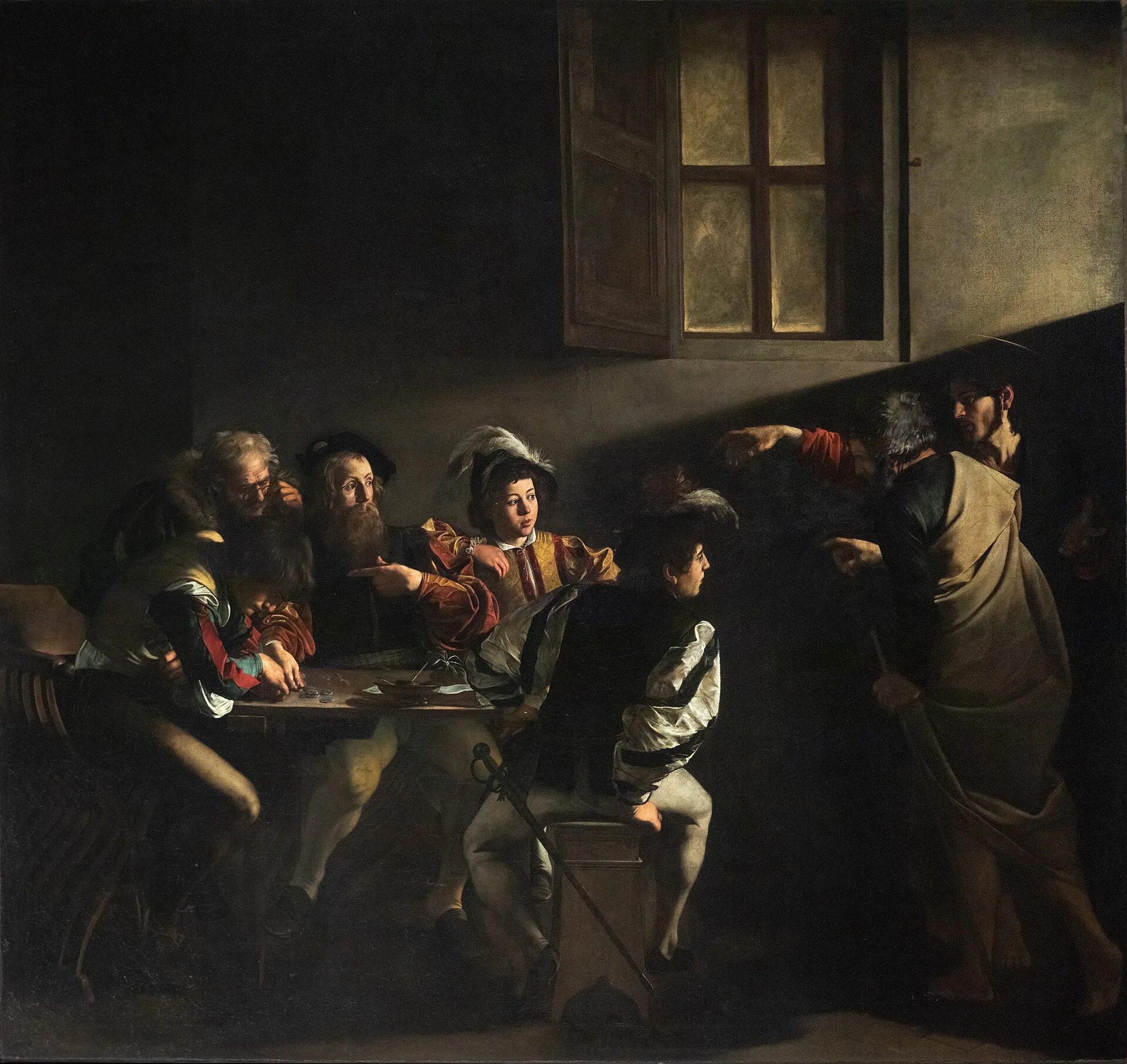
The Calling of Saint Matthew
Painted around 1600 for the church of San Luigi dei Francesi, in Rome, it shows a tavern where men are counting coins. Christ enters from the right, almost in shadow, and points. A ray of light follows his gesture and falls on Matthew, who points to himself: me?
The miracle happens in a bar, in the clothes of the day. That was what was scandalous, and brilliant.
The flight
In 1606 he killed a man in a brawl and was sentenced to death. He spent his last years between Naples, Malta and Sicily, painting ever darker works. He died in 1610, at 38.
Where to see it
The Contarelli Chapel is still in place. Entry to the church is free.
His followers
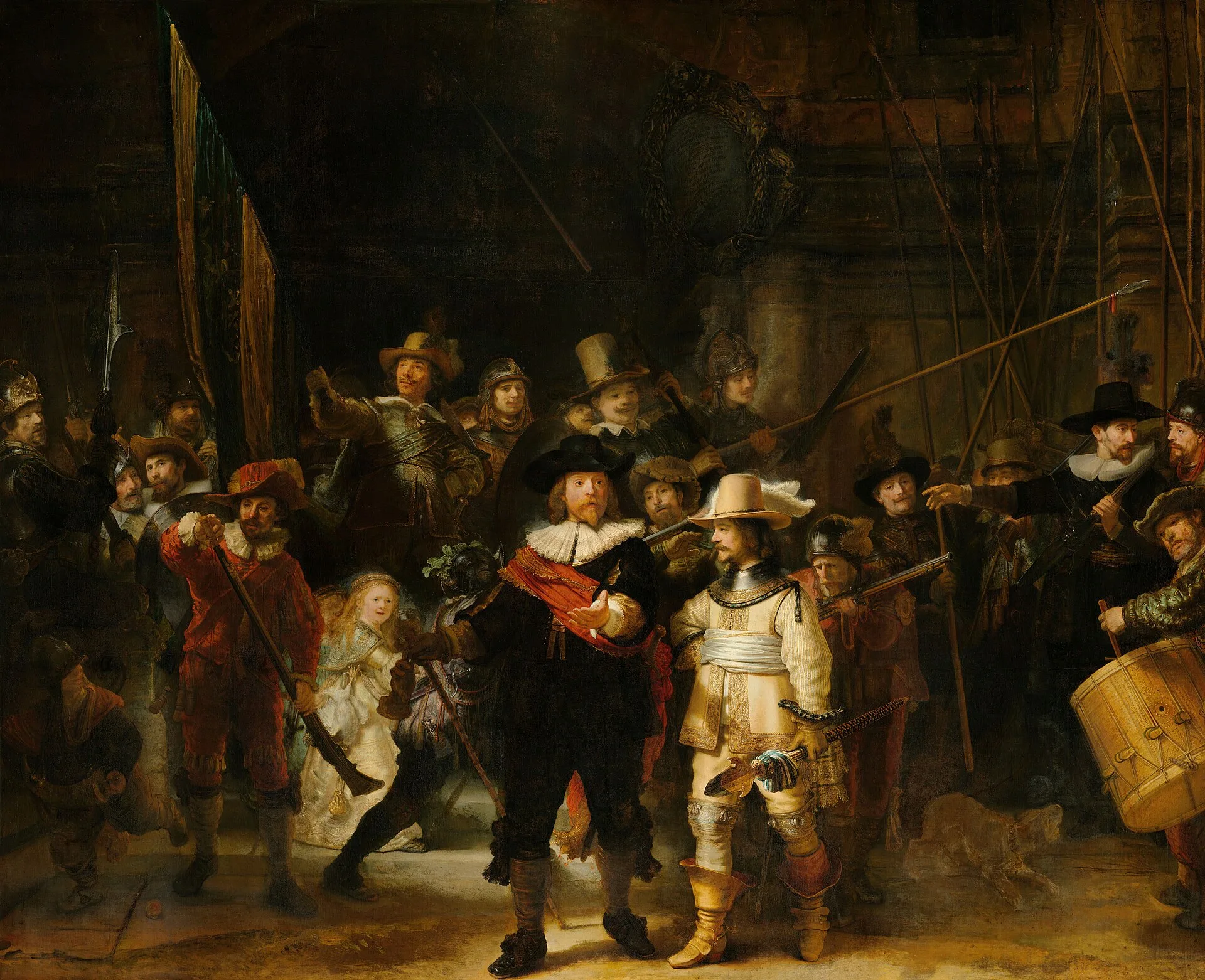
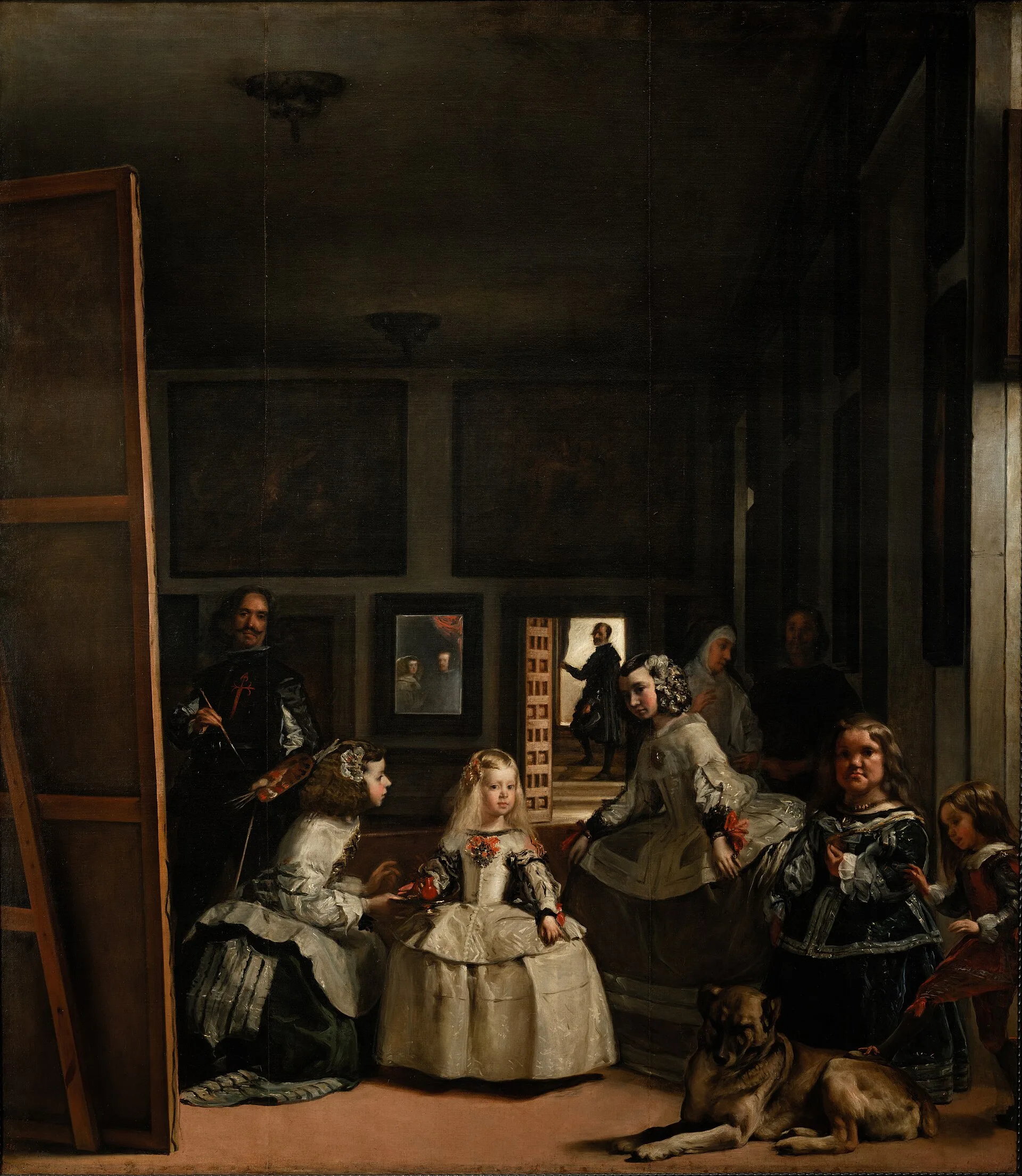
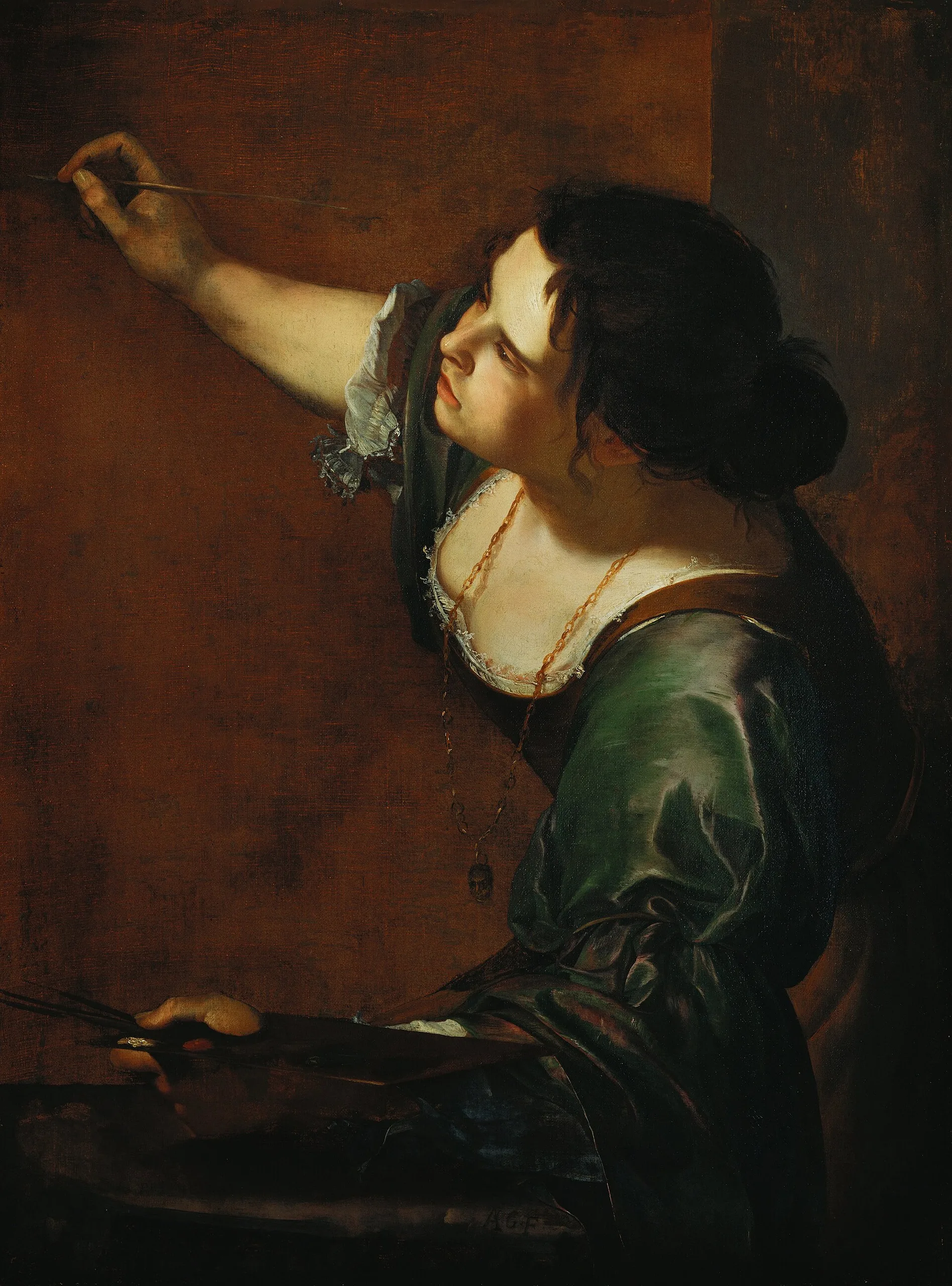
Caravaggio had no workshop and no pupils, but his way of painting spread across Europe within a few years. Those who adopted it are called Caravaggisti: Artemisia Gentileschi in Italy, Jusepe de Ribera in Naples, Georges de La Tour in France, with his candlelit scenes. And without him Velázquez and Rembrandt cannot be fully explained; they learned from that light without ever meeting him.