Espadrilles: the peasant shoe that climbed onto the runway
A sole of esparto or jute, canvas and a few ribbons. From the Pyrenees to Saint Laurent, the story of summer's simplest sandal.
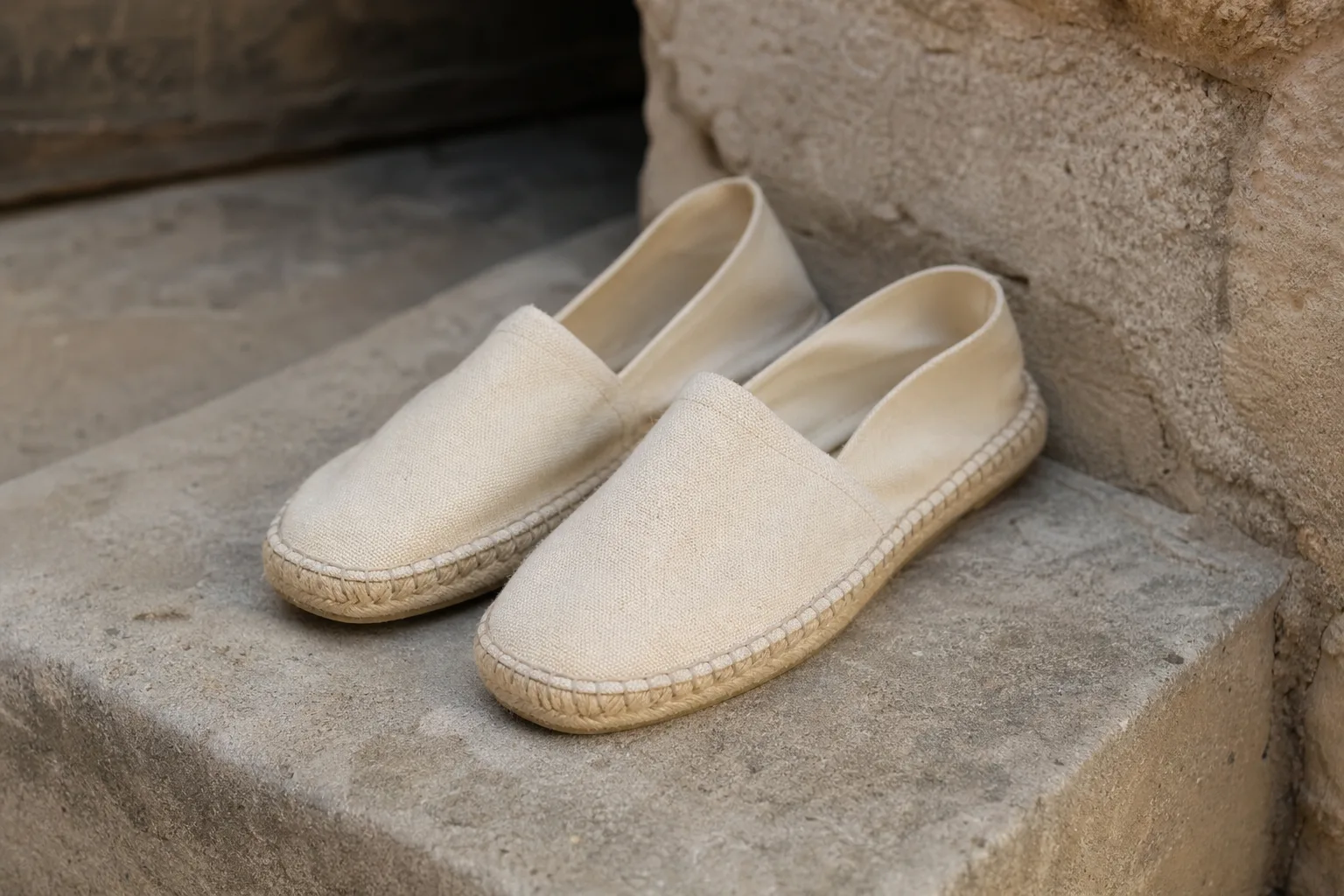
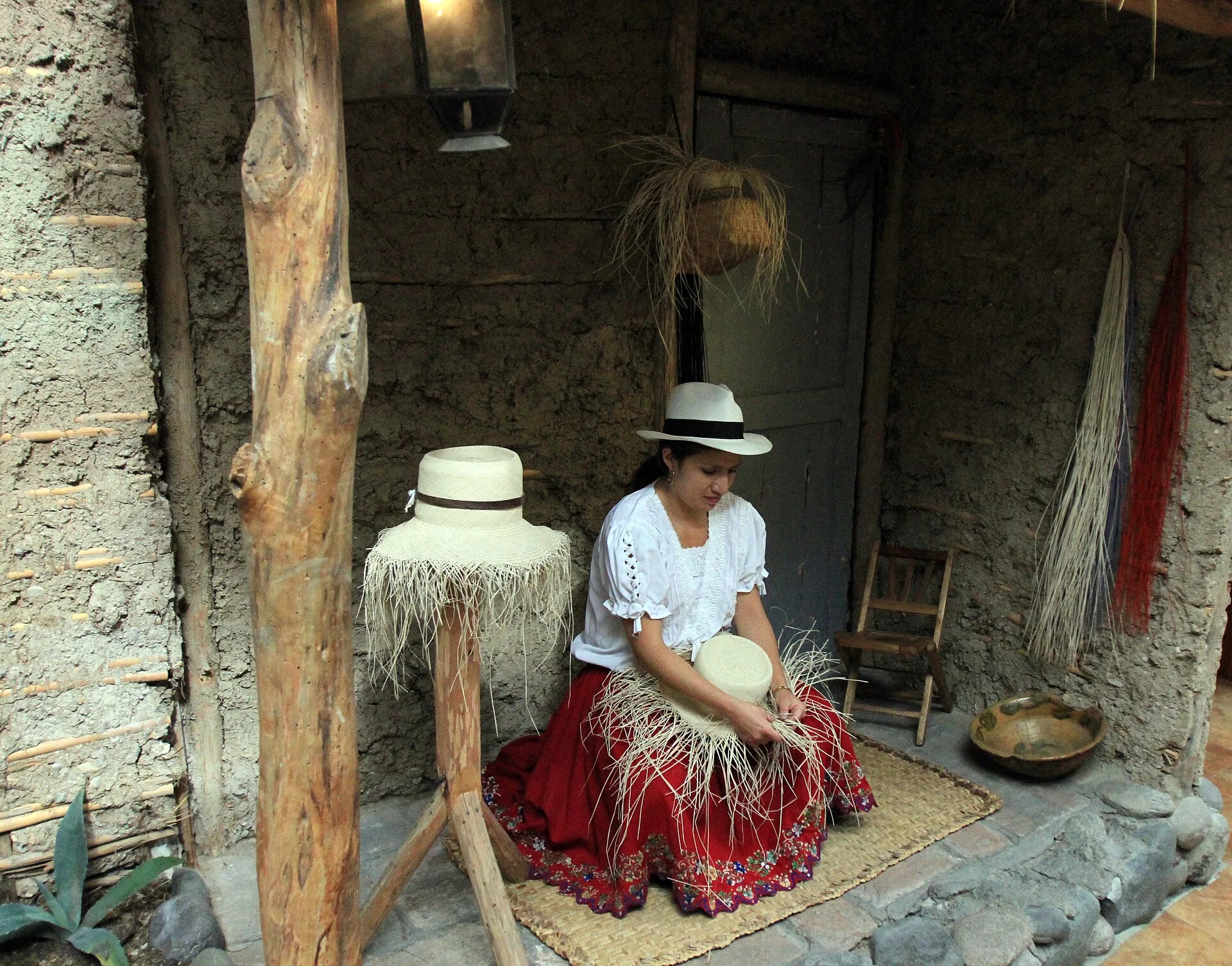
The espadrille is one of the oldest shoes in Europe. Sandals of braided esparto grass more than six thousand years old were found in a cave in Granada. The version we know — a fiber sole stitched in a spiral with a canvas upper — has been made for centuries on both sides of the Pyrenees.
The name
In Spanish, alpargata; in Catalan, espardenya, from esparto, the grass the sole was braided from. That is where the French espadrille comes from. Today almost all soles are jute.
A working shoe
For centuries it was the footwear of farmers, fishermen, miners and infantry soldiers: cheap, cool and easy to replace. In Catalonia a ribboned version is still worn to dance the sardana.
Made of grass and cloth, the espadrille was biodegradable long before the word existed.
The leap
In the 1940s and 50s, artists and actors on the Riviera adopted it: Dalí wore it daily; so did Picasso, Lauren Bacall and Grace Kelly. Around 1970, Yves Saint Laurent asked Castañer, a family workshop in Banyoles, for an espadrille with a wedge. It had never been done. It was an instant hit and is still in production.
Where they are made
In La Rioja, Murcia, Catalonia and the French Basque Country (Mauléon). Many are still sewn by hand.
Care
Don't get them wet: jute swells and rots. If they get dirty, use a dry brush. And store them somewhere ventilated.
How to choose them
Jute espadrilles give with wear, so they should be snug when you buy them, without squeezing the toes. Check that the sole is hand-stitched to the canvas, with visible stitches, and not merely glued. The ribboned kind ties at the ankle; the classic flat ones are the coolest. And remember their one weak point: jute cannot stand water. Leave them at home if rain threatens.