How streaming Top 10 lists work
Every platform says its new series is number one. Here is what those rankings count, what they leave out and how to read them.
For decades, television had one scoreboard: the overnight ratings. Streaming broke it. Now every platform publishes its own numbers, measured its own way, and almost every new series is "number one" somewhere. Here is how to read them.
What Netflix counts
Netflix publishes a weekly Top 10 on a public site, split into four lists: films and series, each in English and in other languages. Since 2023 the ranking uses views, which is not the number of people who pressed play. It is the total hours watched divided by the running time. A two-hour film watched for two million hours counts as one million views.
The method has changed more than once. Netflix first counted accounts that watched most of a title. Then it counted anyone who watched at least two minutes. Then it switched to total hours, which favored long series. Dividing by the running time was the fix for that.
What the row on your screen means
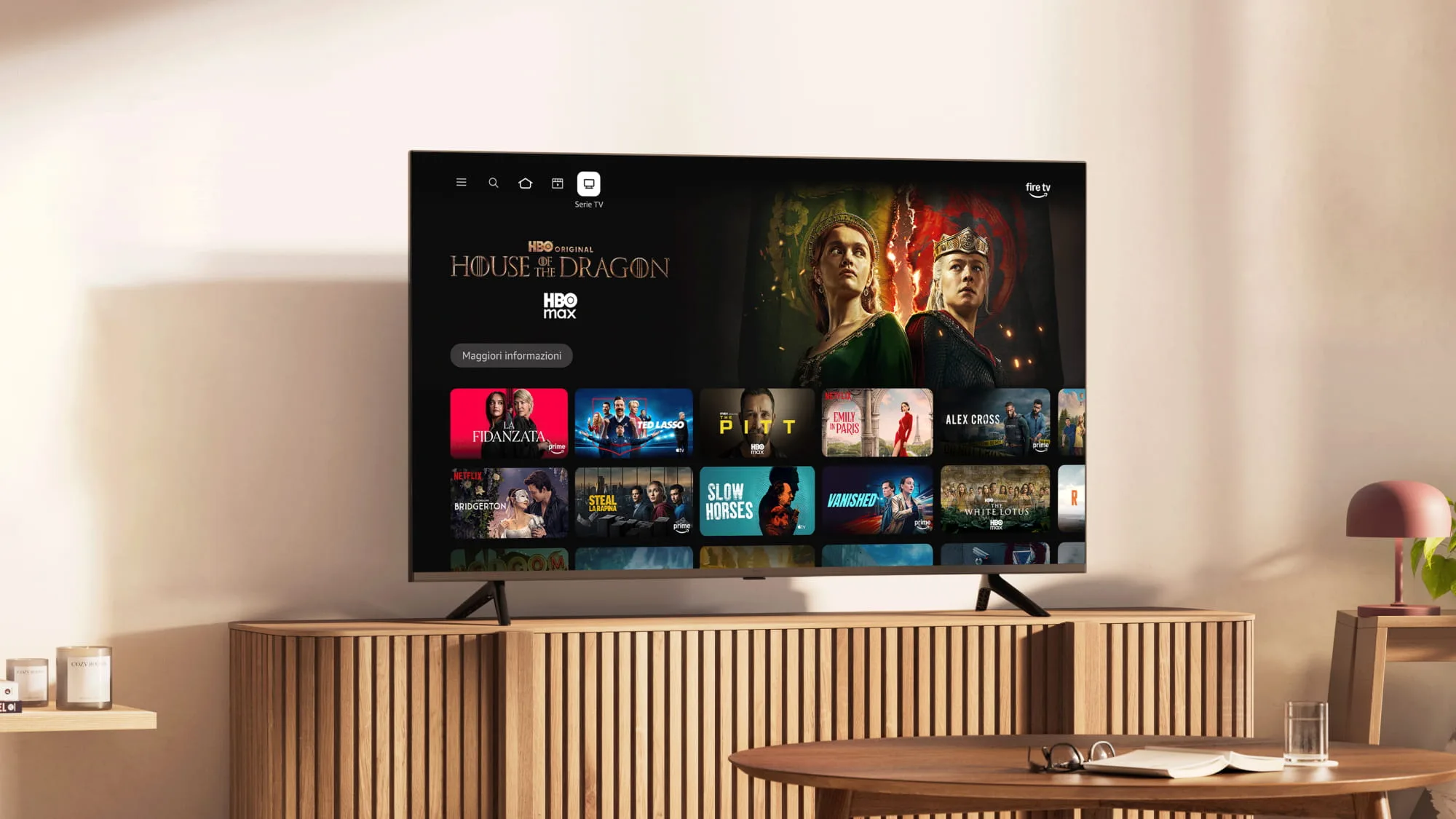
The "Top 10 in your country today" row inside the app is a different thing. It is a daily ranking for one country, and platforms do not explain it in the same detail. Treat it as a sign of what is popular this week, not as an audited figure.
A view is not a person. It is hours watched divided by the length of the title.
The outside referee
In the United States, the measurement company Nielsen publishes its own streaming charts. It counts minutes watched on television sets, across several platforms at once. That lets you compare a Netflix series with one on another service, with two caveats: it only covers the US, and it leaves out phones and laptops.
What the charts do not tell you
1. **How many people finished.** A series can open big and lose most of its audience by episode three.
2. **How much it cost.** A cheap show with a loyal audience can be worth more than an expensive hit.
3. **Whether it will be renewed.** Platforms look at completion and at new sign-ups, and they rarely share either.
How to use them
The charts are good for one thing: finding out what everyone is talking about this week. They are a poor guide to quality. Use them to catch up on the conversation, and use reviews and friends for everything else.