In praise of sobremesa
A word other languages envy names a simple habit: staying at the table when there is nothing left on the plate.
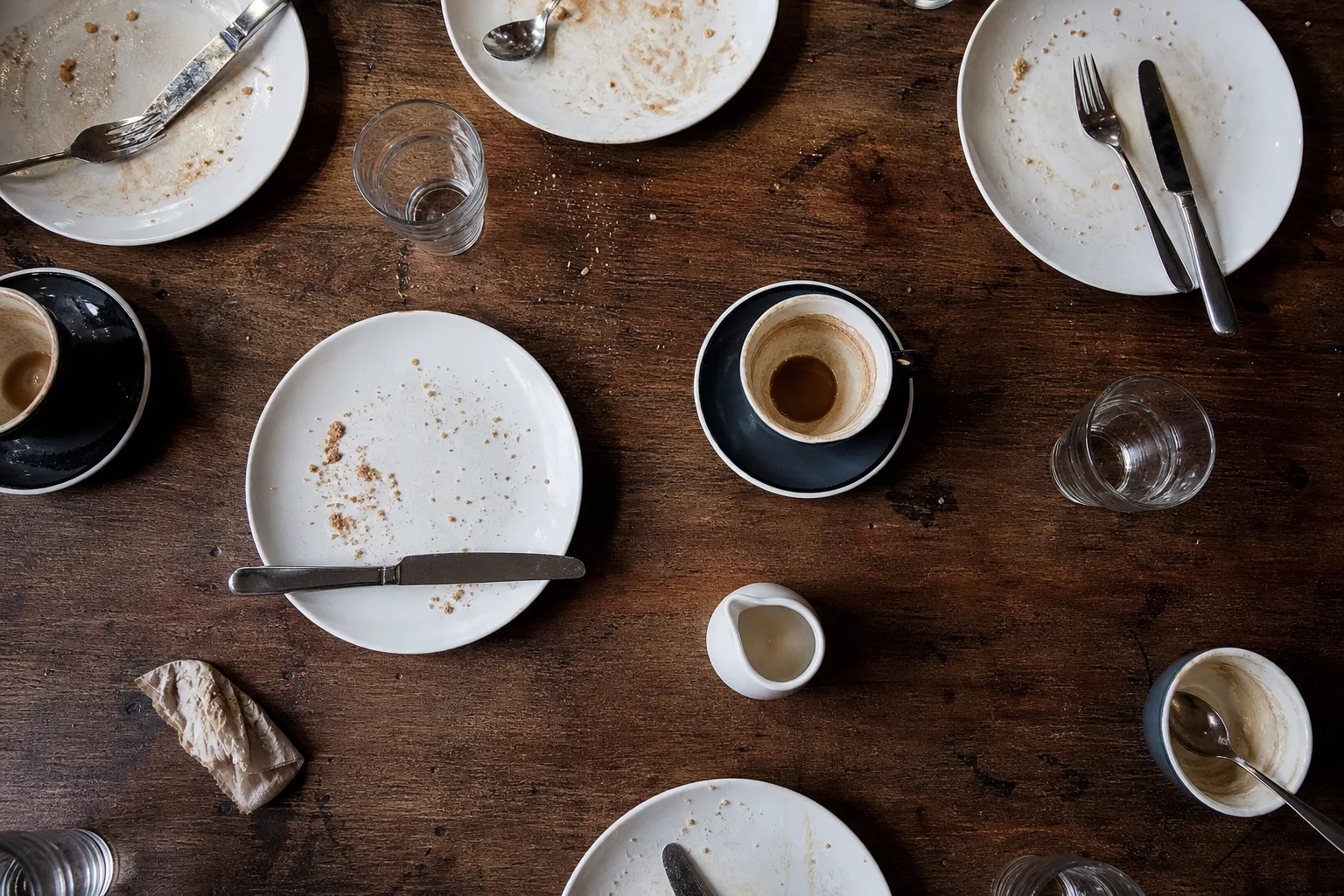
English has no word for it. Neither does French or German. Sobremesa is the Spanish name for the time spent talking at the table after a meal, when the food is finished but nobody wants to get up.
What it is and is not
It is not dessert or coffee, though they often come along. It is what happens between people: an anecdote stretches out, politics gets argued, someone tells a thing they had not planned to tell. It can last twenty minutes or a whole Sunday afternoon.
Why it matters
Eating with others is one of the habits most associated with well-being: people who share meals often say they feel more satisfied and closer to those around them. Sobremesa is the part of the meal when you stop looking at the plate and look at each other.
There is no agenda at sobremesa. That is why the conversations that matter come out.
Its enemies
The restaurant that brings the bill unasked. The phone on the tablecloth. The rush to clear up. The TV on.
How to look after it
Leave the plates where they are; they will get washed. Bring out coffee, herbal tea or what is left of the wine. If there are children, let them leave and come back. And don't check the time.
An idea
Once a week, a meal with no end time. You don't need to cook much. You need to stay.
At other tables
The word is hard to translate, but the custom is not exclusive to Spanish speakers. In Italy the meal stretches on with coffee and a liqueur; in France, cheese and conversation can last as long as the courses; in Brazil, the cafezinho plays the same role. The difference is that Spanish gave it a name, and naming something is a way of protecting it.