Mexico drafts a protocol for recovering cultural property
INAH, the foreign ministry and UNESCO held the second workshop at Chapultepec Castle to define how to act in each case.
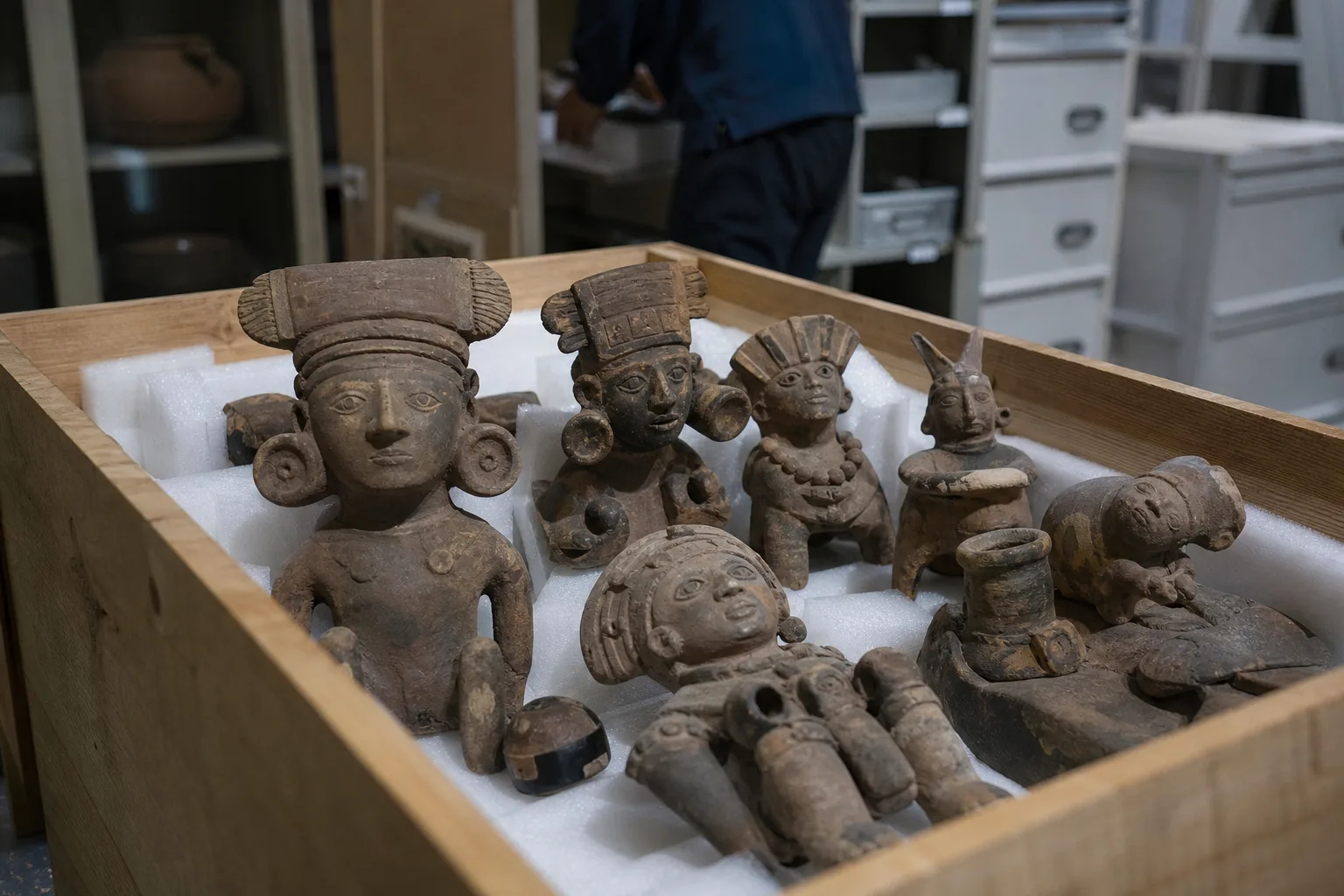
Mexico's Ministry of Culture, through the National Institute of Anthropology and History (INAH), is working on a "Protocol for the repatriation and recovery of cultural property." The second workshop to draft it was held on November 4 at the National Museum of History, in Chapultepec Castle, with support from the foreign ministry and UNESCO, the international organization reported.
Who takes part
INAH specialists attended from across the country and from its centers in seven northern states, from Baja California to Tamaulipas, along with staff from the foreign ministry and UNESCO in Mexico.
The aim is to systematize the best procedures for handling cases of repatriation, recovery or return.
Why now
INAH's technical secretary, José Luis Perea González, said that fighting illicit trafficking requires close collaboration and shared protocols. In recent years Mexico has stepped up its claims for archaeological pieces auctioned or held abroad.
The legal framework
The international basis is UNESCO's 1970 Convention against the illicit trafficking of cultural property, which obliges signatory states to cooperate in returning stolen or illegally exported pieces. In practice, each case depends on evidence, diplomatic negotiation and, sometimes, the courts. That is why countries of origin insist on documenting their heritage well: without records, making a claim is far harder.