Opera for people who have never been
What an aria is, why there are subtitles and which three titles to start with.
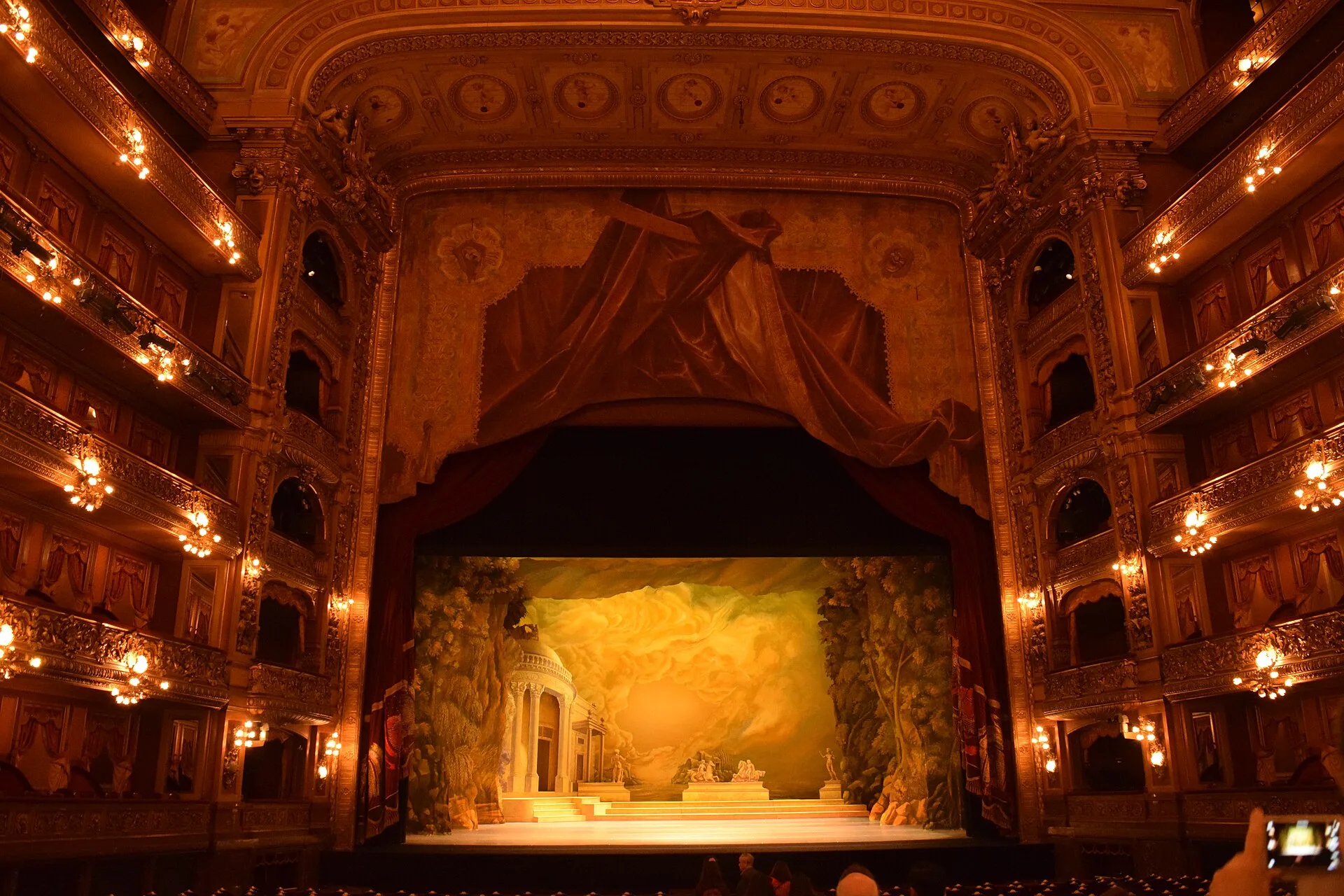
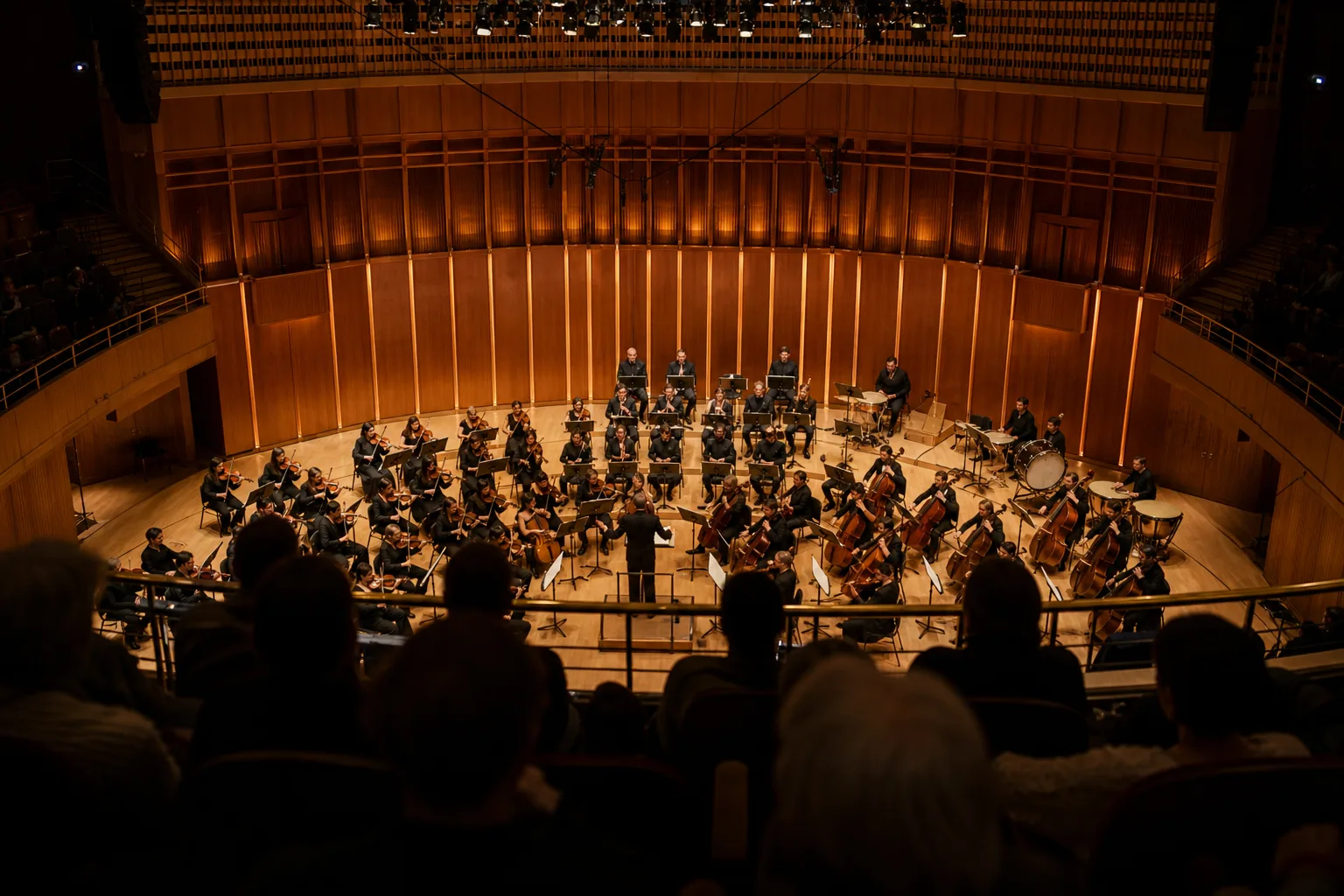
Opera is sung theater: a story told with orchestra, unamplified voices, sets and costumes. It was born in Italy around 1600 and, despite its elitist reputation, its best works are direct melodramas about love, jealousy and power.
Two useful words
Recitative is almost spoken singing: it moves the plot along. The aria is the moment a character stops and expresses what they feel; that is where the famous melodies are. Before everything comes the overture, which sets the mood.
The voices
From high to low: soprano, mezzo-soprano and contralto for female voices; tenor, baritone and bass for male ones. By tradition, the soprano and the tenor are usually the lovers, and the baritone is the one in the way.
Nobody expects you to understand Italian: almost every house projects surtitles.
Three to start with
Mozart's The Magic Flute (1791): a fairy tale with trials, a bird-catcher and the highest aria in the repertoire. Verdi's La traviata (1853): a story of love and sacrifice with melodies you already know. Bizet's Carmen (1875): Seville, a free woman and a tragic ending.
Tips
Read the plot beforehand. Pick a cheap seat in the upper tiers: the sound is very good there. And there is no need to dress up.
Without going to the theater
If tickets are expensive or there is no opera house nearby, there are alternatives. Many major houses broadcast their performances in cinemas, with subtitles and close-ups you cannot see from a seat, and several run their own video platforms. Another option is the classic recordings with a translated libretto in front of you. A whole opera can be daunting: start with one act.