The long take: the art of not cutting
From Orson Welles to Alfonso Cuarón, why one long shot can make us more nervous than a hundred cuts.
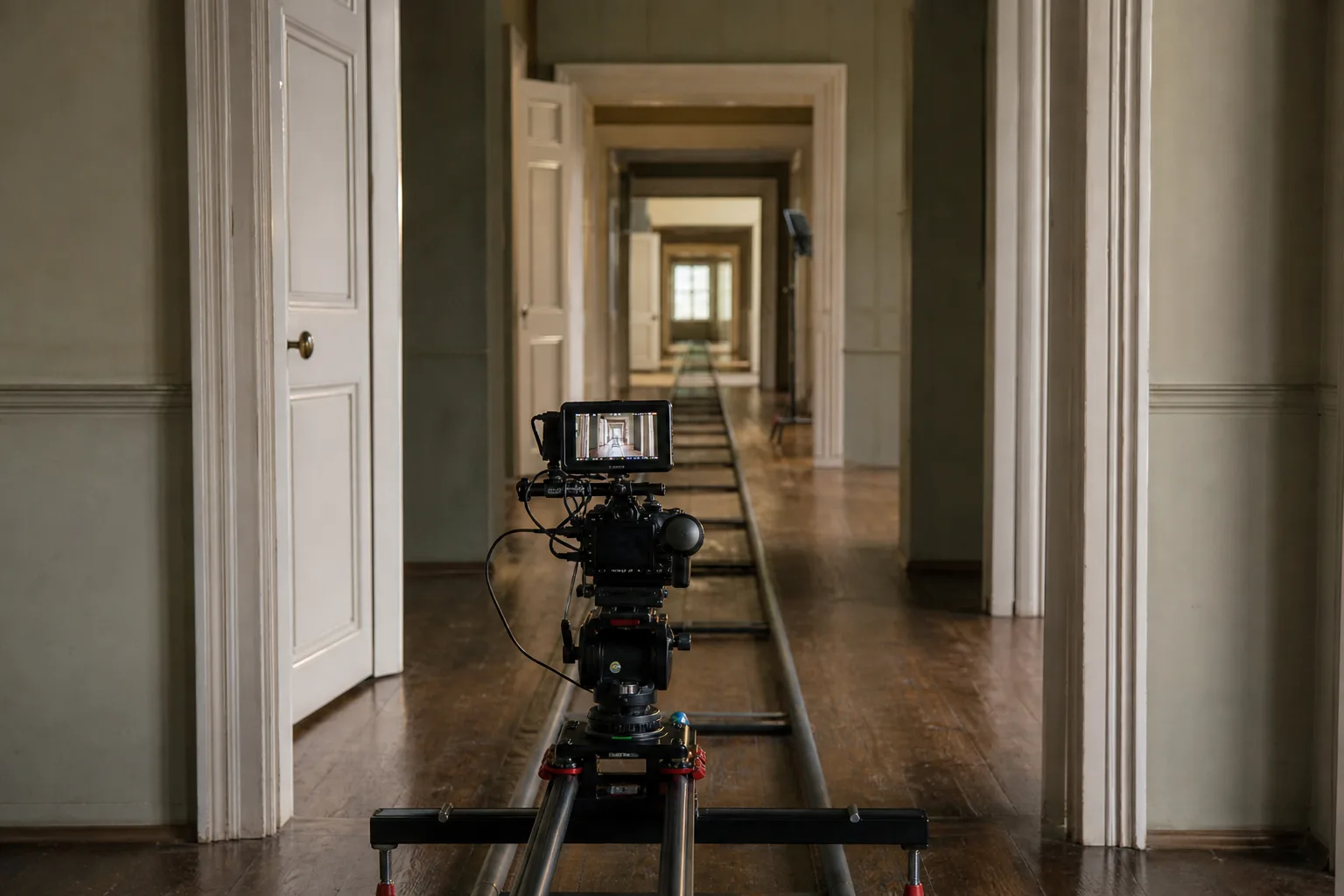
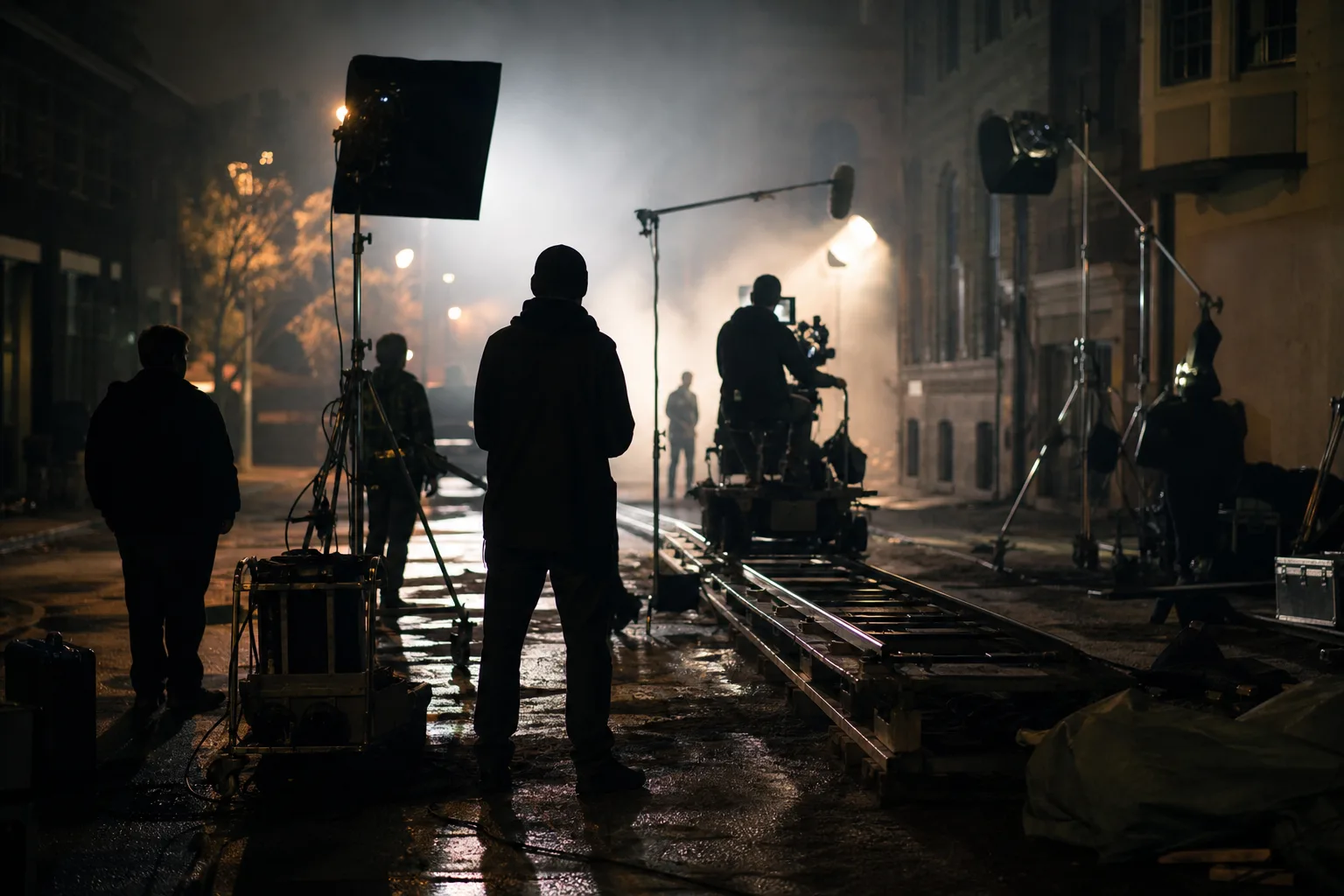
A long take, or sequence shot, is a whole scene filmed in a single shot, with no cuts. It requires actors, camera, lights and sound to work like choreography, and when it comes off the viewer feels inside it.
A classic opening
Touch of Evil (1958), by Orson Welles, opens with a shot of more than three minutes: someone plants a bomb in a car and the camera follows it through the streets of a border town while we wait for the blast. It is pure suspense.
No tricks
Russian Ark (2002), by Aleksandr Sokurov, goes further: its ninety minutes are one real take through the Hermitage museum, with hundreds of extras. They got it on the fourth attempt.
In a long take, the film's time and ours are the same. That is why it is hard to breathe.
Contemporary use
Alfonso Cuarón made the long take his signature: the car ambush in Children of Men (2006) or the sea scene in Roma (2018). Other films, such as Birdman or 1917, simulate a single shot by joining several with hidden cuts.
How to spot it
If you haven't noticed a change of shot for a while and the tension is rising, you are probably inside one.
Why it works
A cut is a kind of rest: each change of shot gives the viewer a breather and says where to look. The long take removes that help. Screen time matches real time, tension builds with no release valve and the eye has to choose for itself. That is why it is used so often in scenes of danger: the audience is trapped inside, just like the characters.