Vermeer: why a painter of just 37 pictures fascinates us
Silent rooms, light from the left and a girl with a pearl: the quiet mystery of the master of Delft.
Johannes Vermeer (1632–1675) lived and died in Delft, painted slowly and left debts. Today about 37 paintings are attributed to him. With so little, he is one of the best-loved artists in the world.
A small world
Almost all his pictures show the same thing: a room, a window on the left and one or two people busy with something ordinary. A woman pours milk, reads a letter, weighs coins, plays an instrument.
The light
What is extraordinary is how the light comes in. Vermeer paints it with tiny dots of pale color that make bread, ceramics or a brass stud shine. He used very costly pigments, such as ultramarine blue from lapis lazuli, even in the shadows.
Nothing ever happens in Vermeer. And we cannot stop looking.
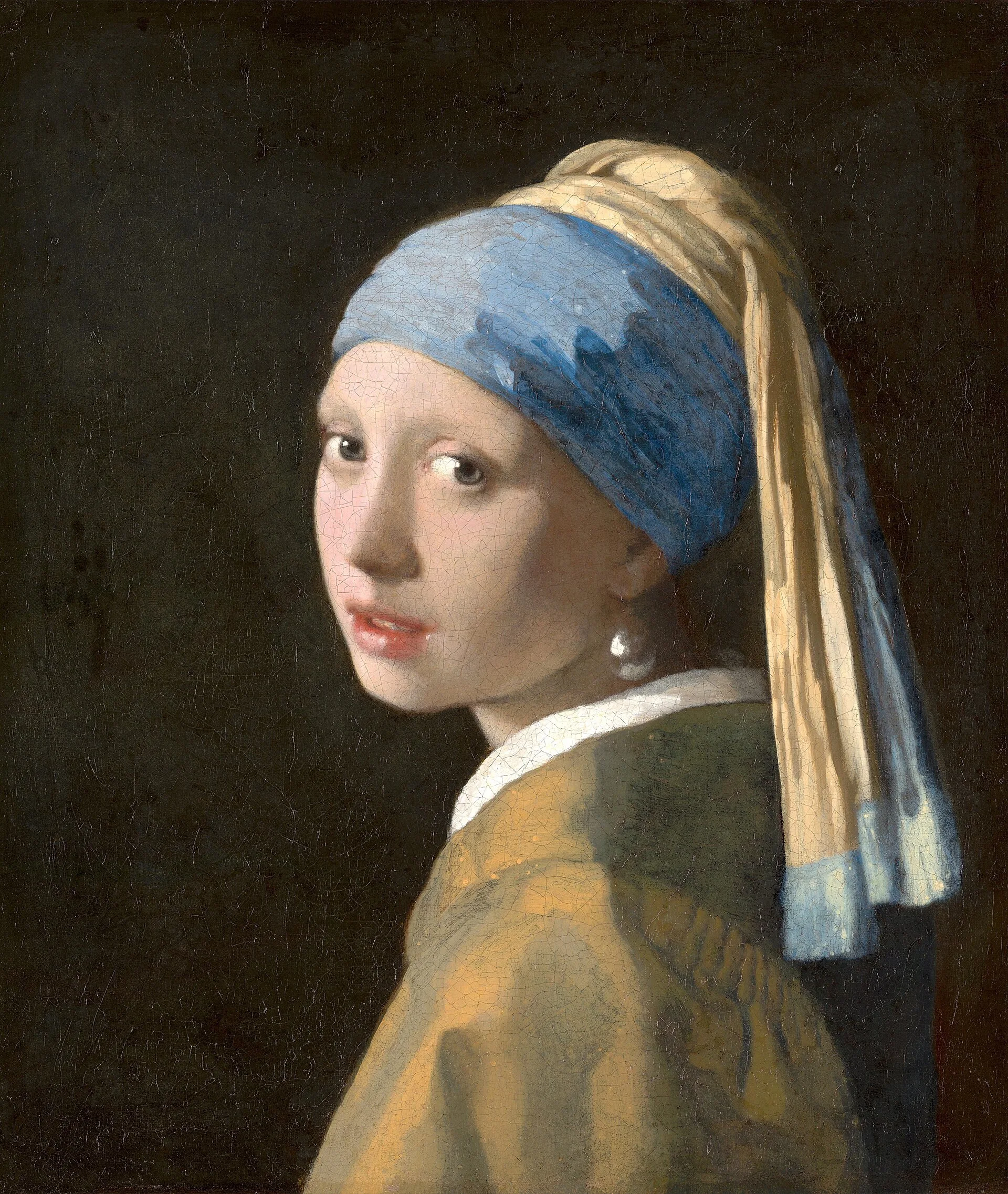
Girl with a Pearl Earring
Painted around 1665, it is not a portrait but a tronie: a study of a type, with a turban and an earring that may not even be a pearl. Against a dark background, the girl turns toward us with her lips parted. It hangs in the Mauritshuis in The Hague.
Oblivion and return
Vermeer was forgotten for two centuries, until the French critic Théophile Thoré rescued him in the 1860s.
Where to see him
At the Rijksmuseum in Amsterdam, the Mauritshuis and, outside Europe, in New York and Washington.
The fake Vermeers
The scarcity of his work made him a perfect target. In the 1930s, the Dutchman Han van Meegeren painted several "Vermeers" that experts accepted as genuine; one ended up in the hands of the Nazi leader Hermann Göring. After the war, accused of selling national heritage to the enemy, Van Meegeren confessed he was a forger and, to prove it, painted another picture in front of witnesses.